
Origin of the Giant Coin
Among the millions of diverse coins in the world, there are specimens that are striking in their size and weight. One of these is the Sestroretsk ruble — the largest coin of the Russian Empire, weighing up to one kilogram. This coin is a true dream for treasure hunters and collectors, but the chances of finding it are extremely slim due to its exceptional rarity.
The history of the Sestroretsk ruble begins during the reign of Catherine II. The Empress planned to issue paper assignats, and to back them, large metal coins were required. It was for this purpose that the project to mint massive copper rubles was conceived.
Imperial Decree and Ruble Specifications
| Parameter | Value |
| Mass | from 880 grams |
| Height (thickness) | 35 mm |
| Diameter | 76 mm |
The project officially began with the Empress's decree "On the Making of a New Copper Coin," issued on February 16, 1770. This document established strict parameters for the new monetary unit. The coin was to have a significant weight and impressive dimensions, making it unique for its time.
According to the decree, the coin's specifications were as follows:
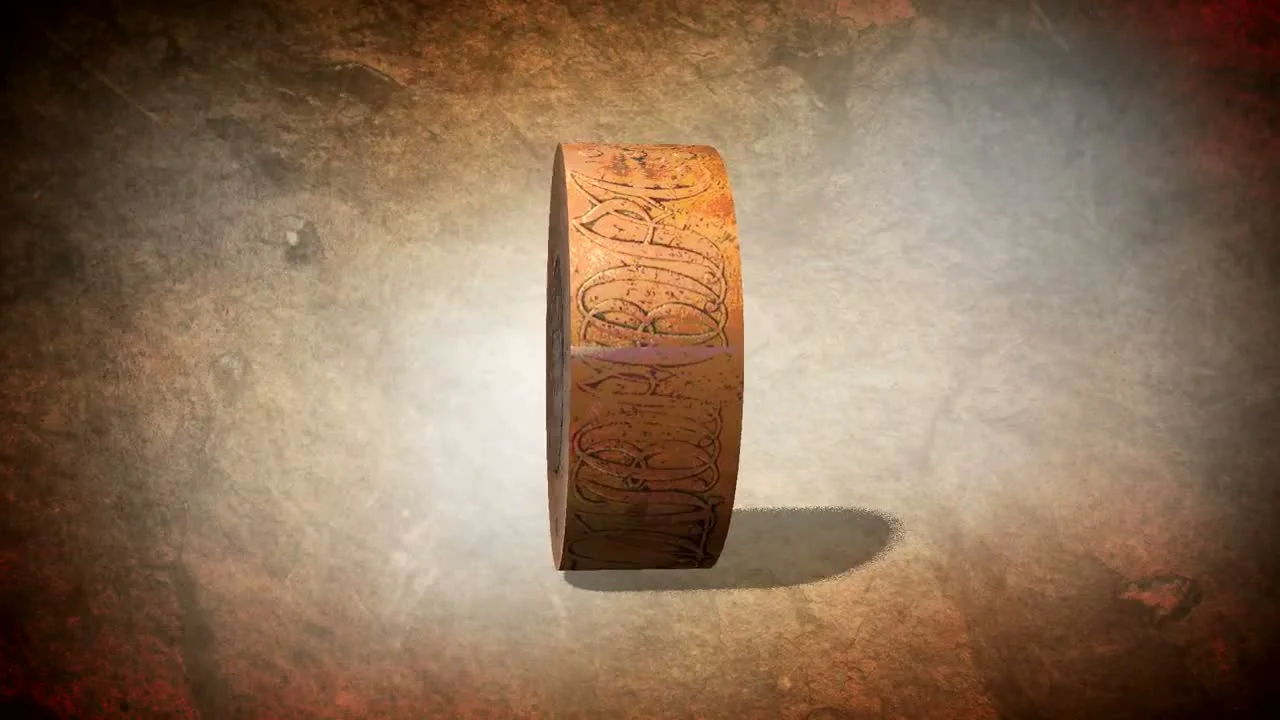
A concise design for the coin was also approved. The obverse featured a double-headed eagle (the coat of arms), the reverse showed the coin's denomination, and the edge (gurt) was to have an inscription indicating the mint. The design did not include any extravagances, such as the Empress's monogram.
Production Difficulties
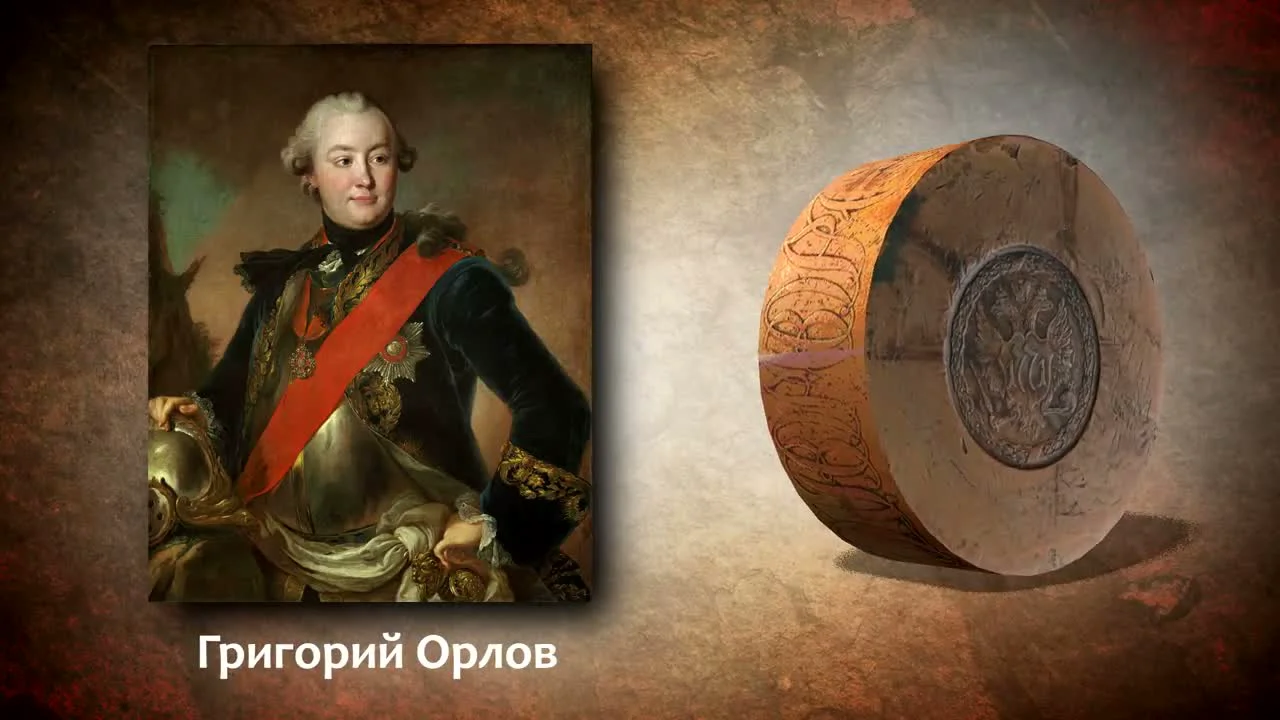
To implement such a complex project, the Senate turned to Count Grigory Orlov, who headed the army's artillery. He was tasked with designing a machine at the Sestroretsk arms factories capable of minting the new copper rubles. After the machine was built, two sample coins were to be submitted to the Senate for review.
Count Orlov agreed, and work on creating the equipment and trial samples began. The process took nine months. On December 20, 1770, Count Musin-Pushkin, president of the Berg-Collegium, reported the results to the Senate, presenting four samples. The report noted that due to the low quality of the copper, two samples were defective, with cracks.
Four Varieties of the Sestroretsk Ruble
Numismatists identify at least four main types of the Sestroretsk ruble. They were all struck with the same dies, which were significantly smaller than the diameter of the coins themselves, but they differed in mass, diameter, and thickness.
- Type 1 (1770). Coins were struck on a thick planchet with the edge inscription "Sestroretsk Mint." The diameter is 70-76 mm, and the thickness is 26 mm. Both original strikes and restrikes (novodels) exist. An authentic specimen in the Hermitage has a diameter of 73 mm.
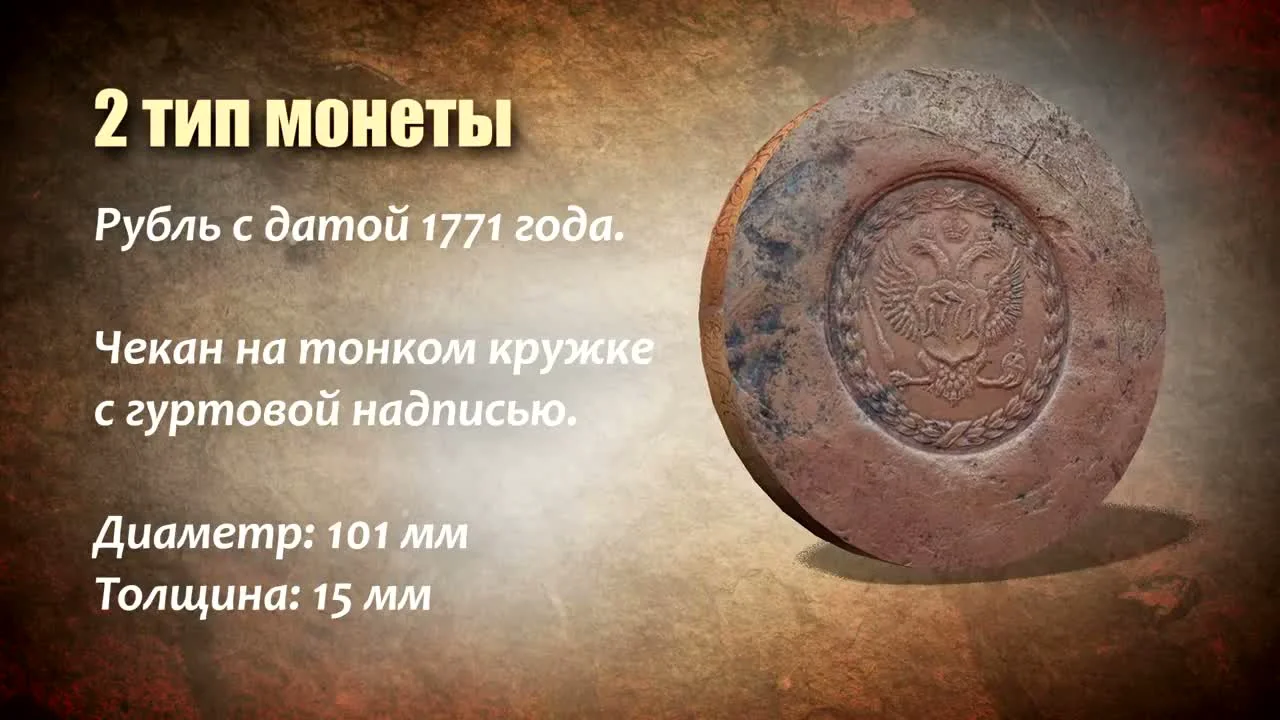
- Type 2 (1771). Struck on a thin planchet with a patterned edge. The diameter is 101 mm, and the thickness is 15 mm. Only one authentic specimen of this type is known.
- Type 3 (1771). Coins on a thick planchet with an edge inscription. Their diameter is 76 mm, and the thickness is 36 mm. Both authentic specimens and restrikes are found.
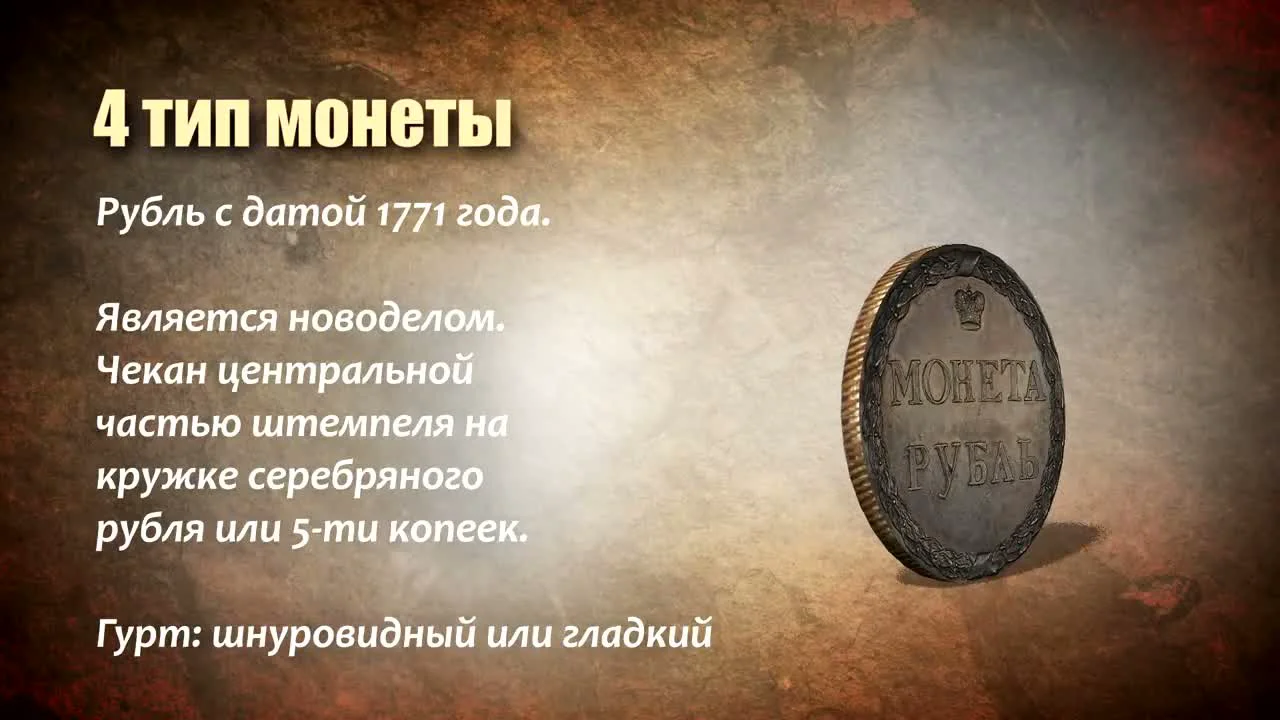
- Type 4 (1771). This variety is a restrike (novodel) and is known as the "Pugachev ruble." It was struck using the central part of the die on planchets of regular silver rubles or copper 5-kopek coins. The coin got its name due to the coincidental date with the period before the Pugachev Rebellion and the absence of Catherine II's name or monogram on it.
The Project's End and the Fate of the Coins
After three years of experimental work, it became clear that the production of the giant coin was too expensive for the treasury and unprofitable. Despite attempts to improve the technology, including a proposal by Mikhail Soimonov to reduce the thickness and increase the diameter to facilitate minting, the desired result was not achieved.
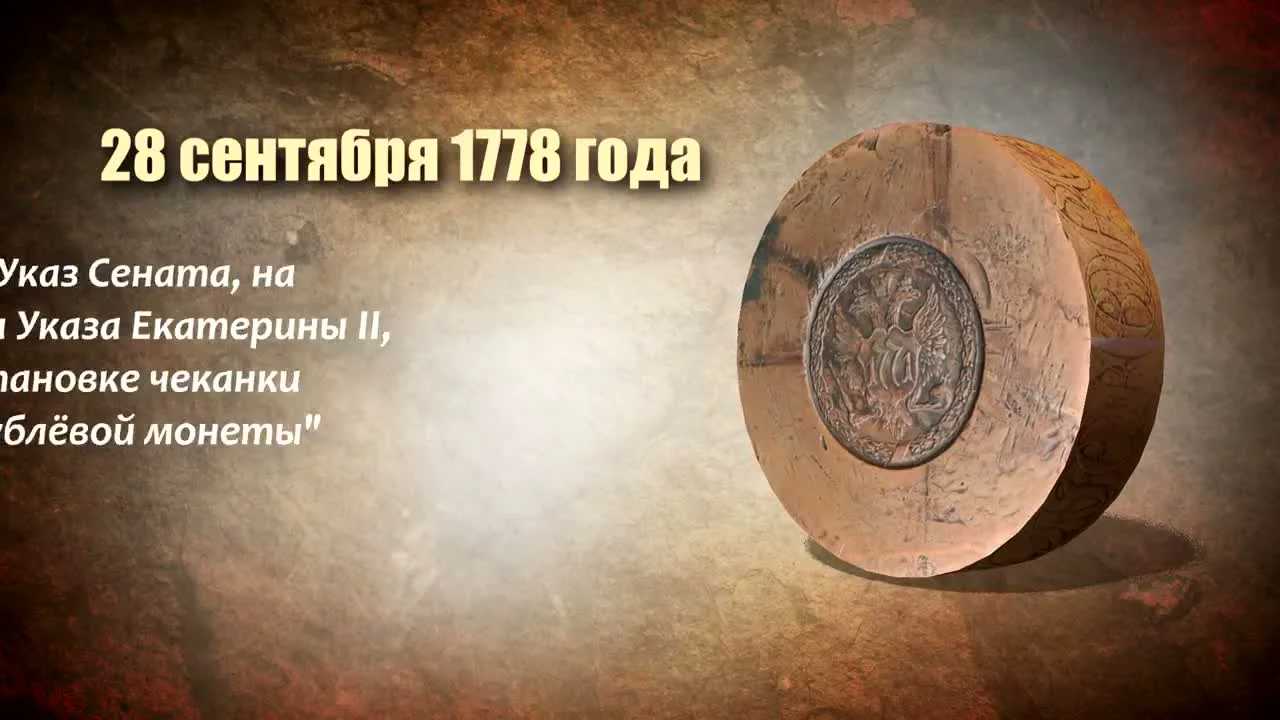
On January 29, 1774, the Senate issued a resolution to prepare new machines, but this also proved unsuccessful. Ultimately, on September 28, 1778, by a Senate decree based on a personal decree from Catherine II, the minting of the copper ruble coin was suspended. And in August 1779, the Sestroretsk Mint was transferred to the needs of the arms factory.
Today, only a few authentic specimens of the Sestroretsk ruble are known. One 1770 coin is held at the Smithsonian Institution in the USA, and another is in the numismatics department of the State Hermitage Museum. The most common are the specimens dated 1771 — experts count about 40 authentic coins, most of which are in private collections.
Auction Value and Counterfeits
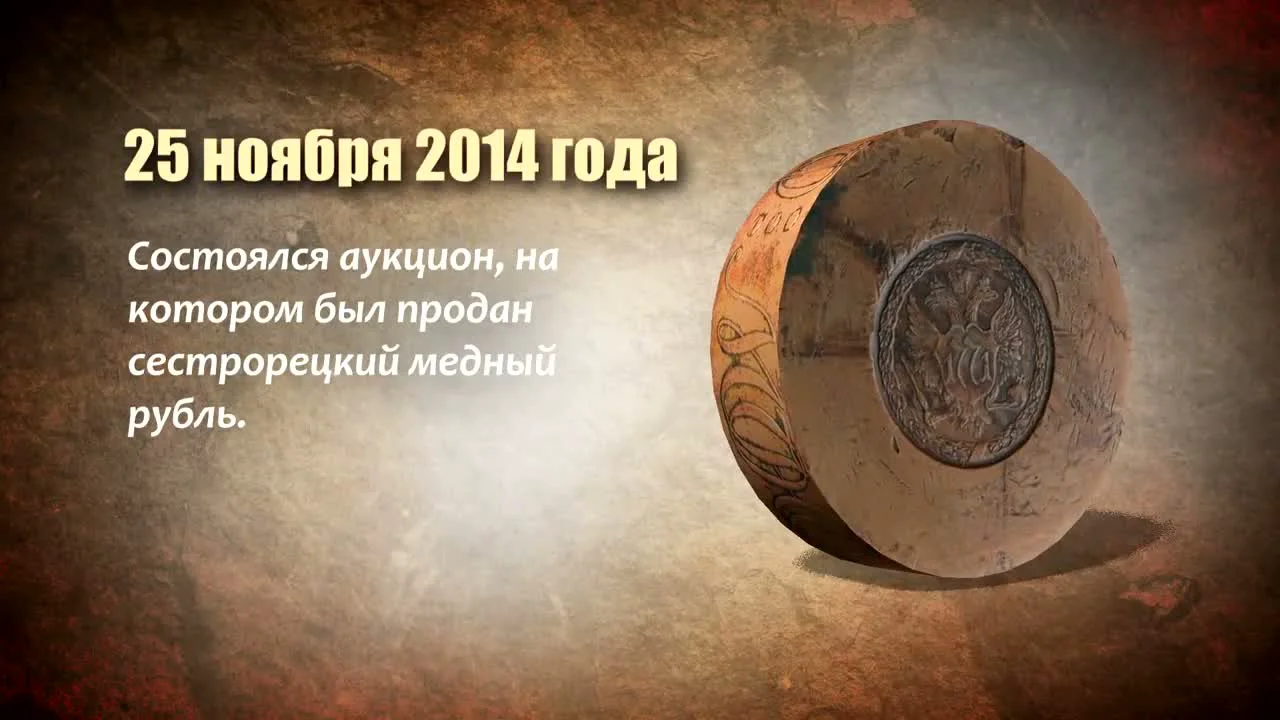
The high rarity of the Sestroretsk ruble determines its significant auction value. An authentic copper ruble was last sold at auction on November 25, 2014. Its price was 50,000 Swiss francs, which at the time was equivalent to approximately 2,300,000 rubles.
Restrikes (novodels) are also of interest to collectors. For instance, in 2009, a restrike of the 1771 Sestroretsk ruble was sold for 1,350,000 Russian rubles. It is important to note that a huge number of counterfeits exist, periodically appearing on the market and even at auctions, so special caution and expertise are required when evaluating such coins.