
Review of the Greek Banknotes Exhibition
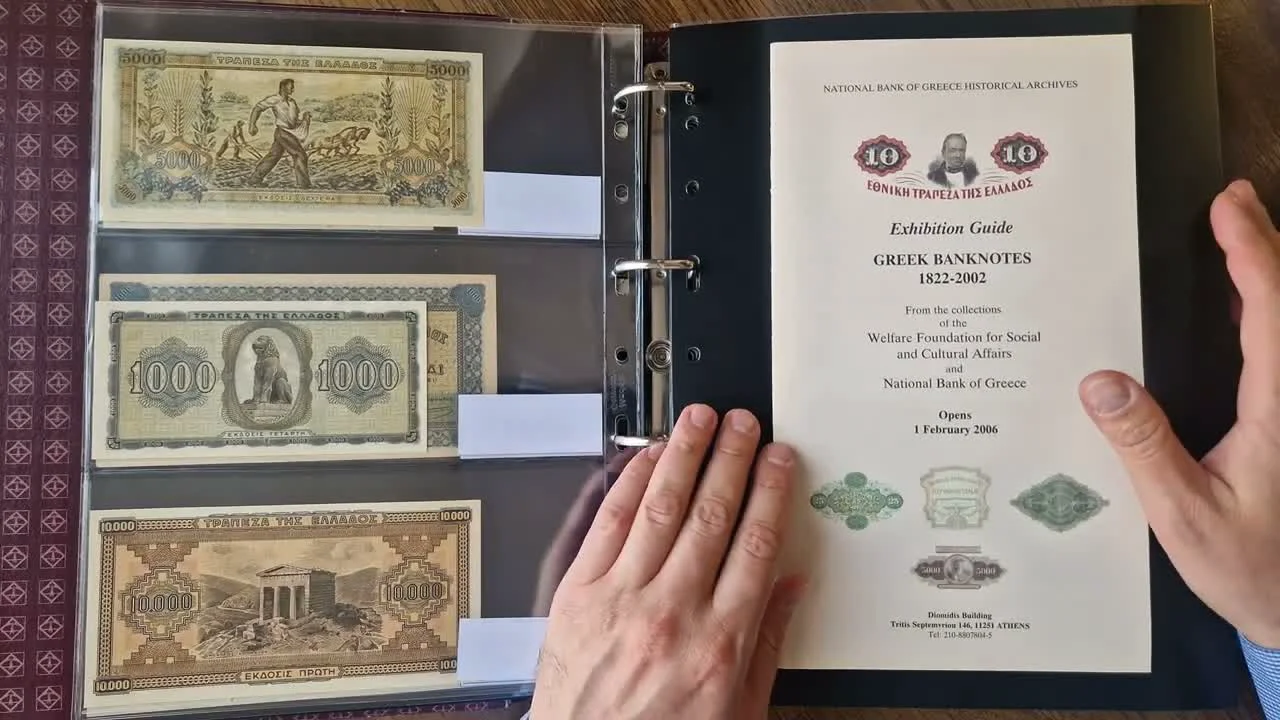
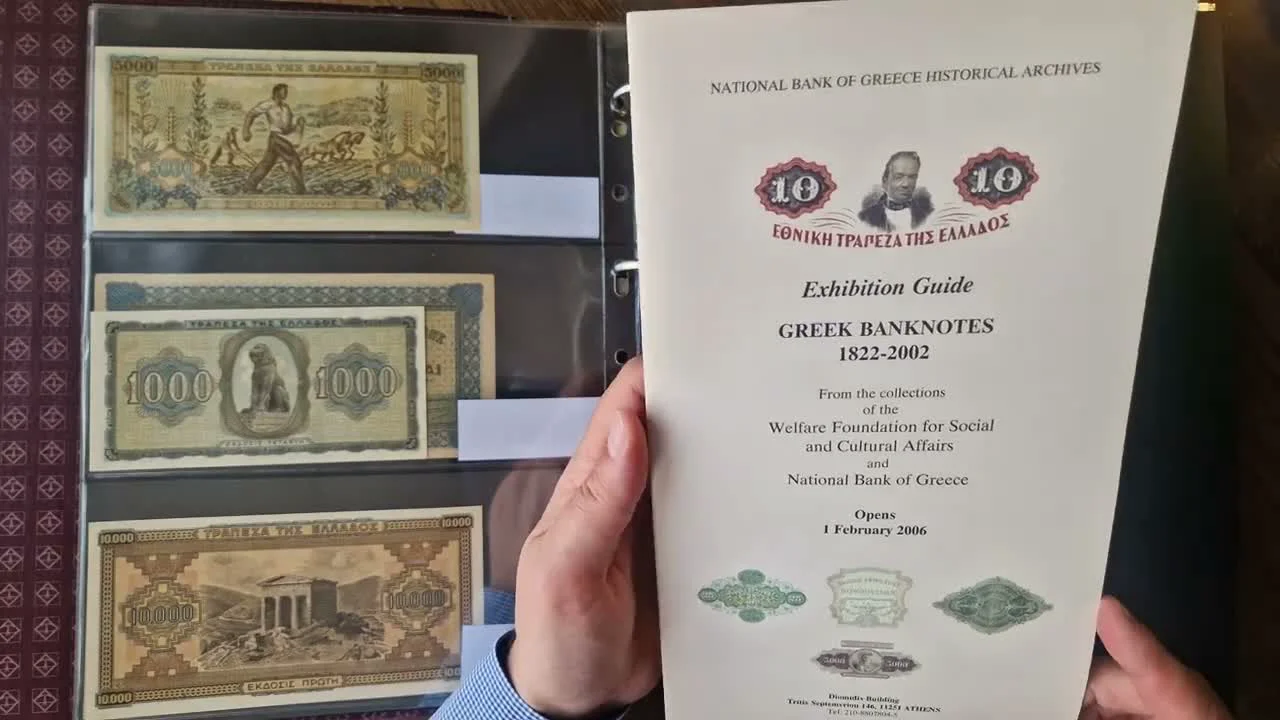
In Athens, at the historical archive of the National Bank of Greece, an exhibition dedicated to Greek banknotes is being held. The exposition covers a significant historical period from 1822 to 2002. Opened on February 1, 2006, it continues to be an important cultural site for anyone interested in the history of money.
A visit to this exhibition can inspire you to start your own collection. For example, inspired by what you see, you could assemble a thematic album dedicated to one of the most dramatic periods in Greece's financial history—hyperinflation. The information about the exhibition is current as of early 2020, but its value as a historical source remains unchanged.
Monetary Museums in Athens
Athens offers several interesting places for connoisseurs of numismatics and notaphily. In total, there are three museums in the city related in one way or another to the history of currency circulation.
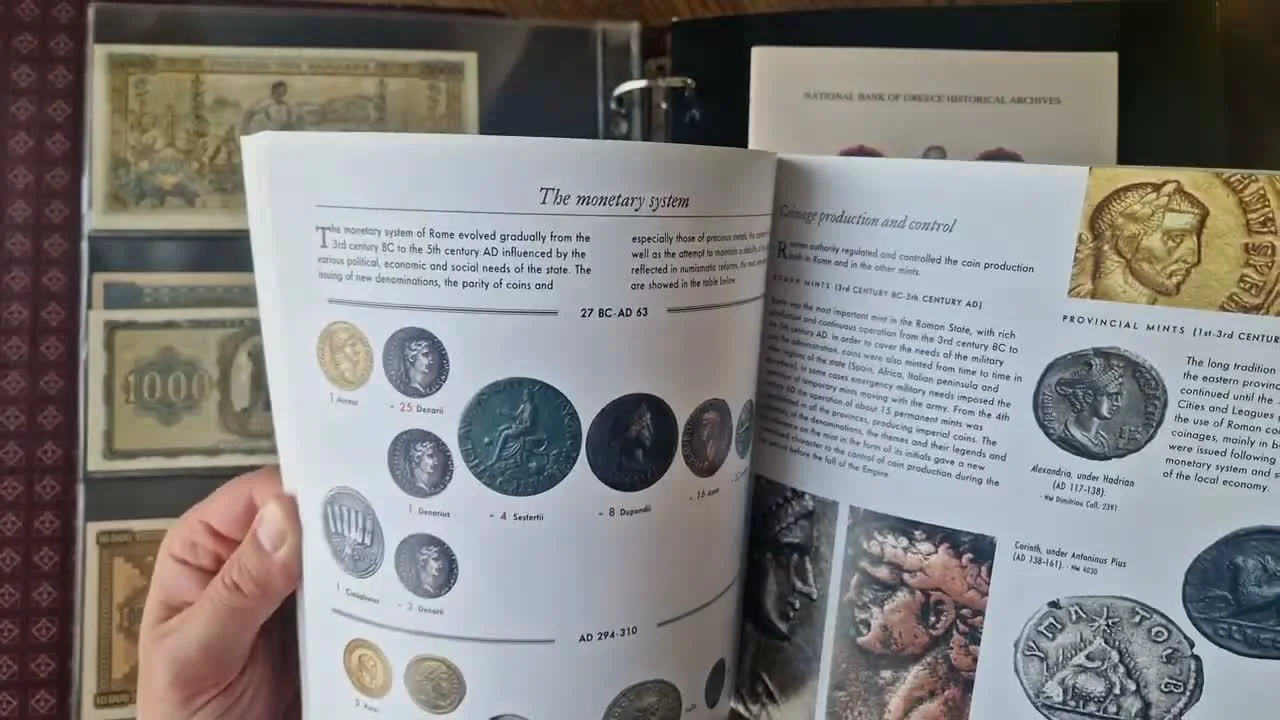
- Numismatic Museum. This is the most famous and popular museum on this topic, located in the city center. Its exhibition is dedicated exclusively to coins, with a special emphasis on the rich history of ancient Greek numismatics.
- Museum of the Bank of Greece. The second museum dedicated to the country's financial history.
- Exhibition of Greek Banknotes. The third venue, located in the historical archive of the National Bank of Greece, which is the subject of this review.
History of the Central Banks of Greece
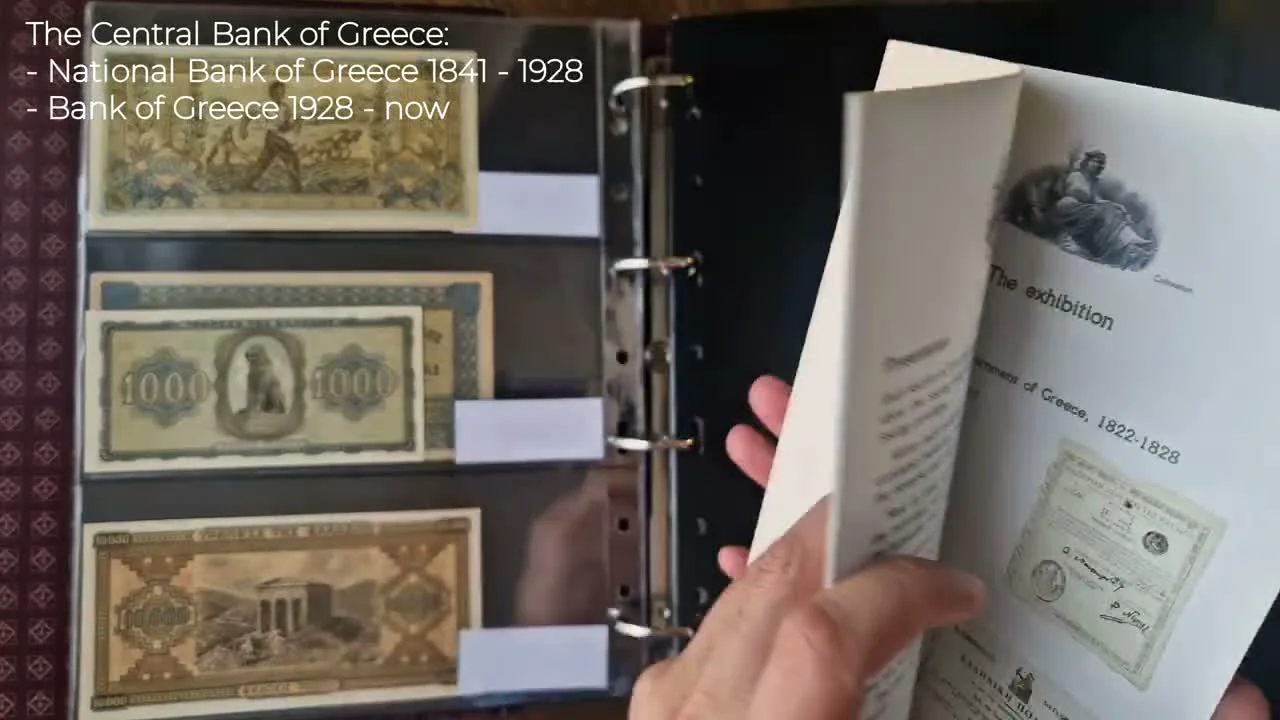
| Bank Name | Period of Activity |
| National Bank of Greece | 1841 - 1928 |
| Bank of Greece | 1928 - present |
To understand the context of the exhibition, it is important to distinguish between two key financial institutions in Greek history. Until 1928, the country's central bank was the National Bank of Greece. The banknote exhibition is housed in its historical archive.
After 1928, the functions of the central bank were transferred to a new organization—the Bank of Greece, which fulfills this role to this day. Thus, the exhibition presents the legacy of the predecessor to the modern central bank.
Organization and Content of the Exhibition
The exhibition was free to visit, but it operated during strictly defined hours. Its location is not in the tourist center of Athens, making it less accessible to casual visitors but more valuable for dedicated collectors. At the time of the visit in 2020, there were two exhibitions in the archive: one about the bank and the other about banknotes.
The banknote exhibition is distinguished by its outstanding organization and design quality. It is very logically structured and contains a huge amount of archival material: banknote designs, unissued specimens, vignettes, historical documents, and much more. This makes it one of the best exhibitions dedicated exclusively to paper money.
Greek Hyperinflation During World War II
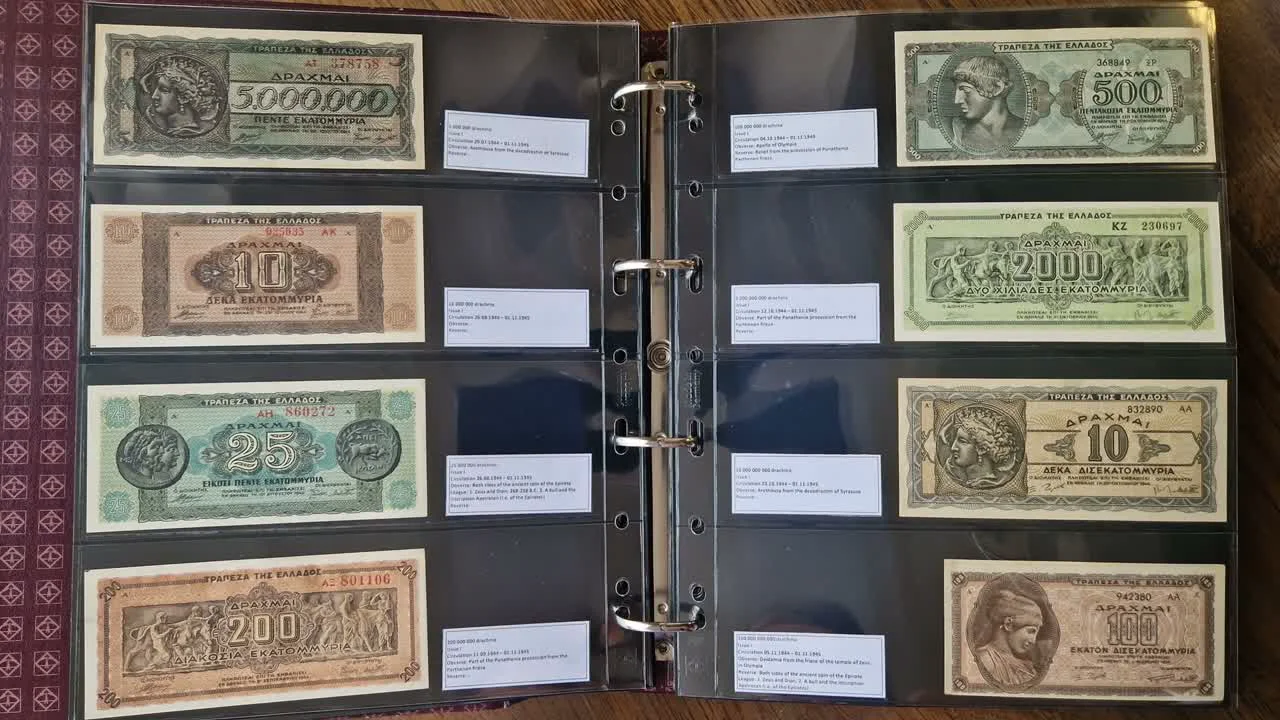
One of the most striking displays at the exhibition is dedicated to the period of hyperinflation in Greece during World War II. This period is one of the most significant examples of hyperinflation in the 20th century. The display features a complete series of banknotes, reflecting the rapid depreciation of money.
- 5,000,000 drachmas
- 10,000,000 drachmas
- 25,000,000 drachmas
- 200,000,000 drachmas
- 500,000,000 drachmas
- 2,000,000,000 drachmas
- 10,000,000,000 drachmas
- 100,000,000,000 drachmas
The largest denomination banknote, 100 billion drachmas, was issued in November 1944 and remained in circulation for about a year, until November 1945.

Banknote Design and Connection to Antiquity
The design of the hyperinflation-period banknotes is of particular interest. Many of the images used on this money were borrowed from the Parthenon frieze. The exhibition clearly shows which specific figures and bas-reliefs from the ancient temple formed the basis for the design of various banknotes.
The exhibition is expertly organized to demonstrate this connection. Visitors can see not only the banknotes themselves but also their original sources. The exhibition is divided into halls where circulated banknotes are displayed in vertical stands, while accompanying archival materials, sketches, and documents are shown in horizontal display cases.