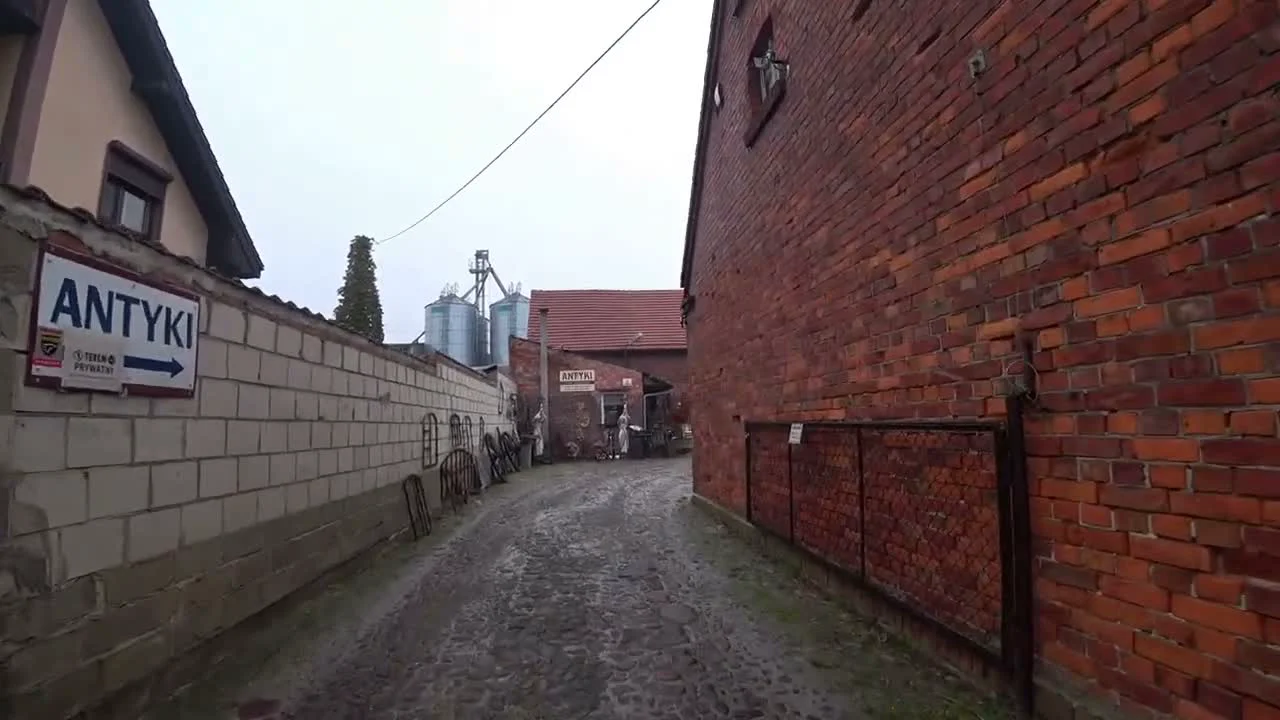

A Polish Village Where Antiques Live
Near the Polish city of Poznań lies a unique village that has become a real hub for lovers of antiquity. Most of its residents are involved in the antiques trade in one way or another, buying and selling old items. This place attracts connoisseurs from all over the region and even from other countries.
The 2024 Tragedy: The Fire and Its Aftermath
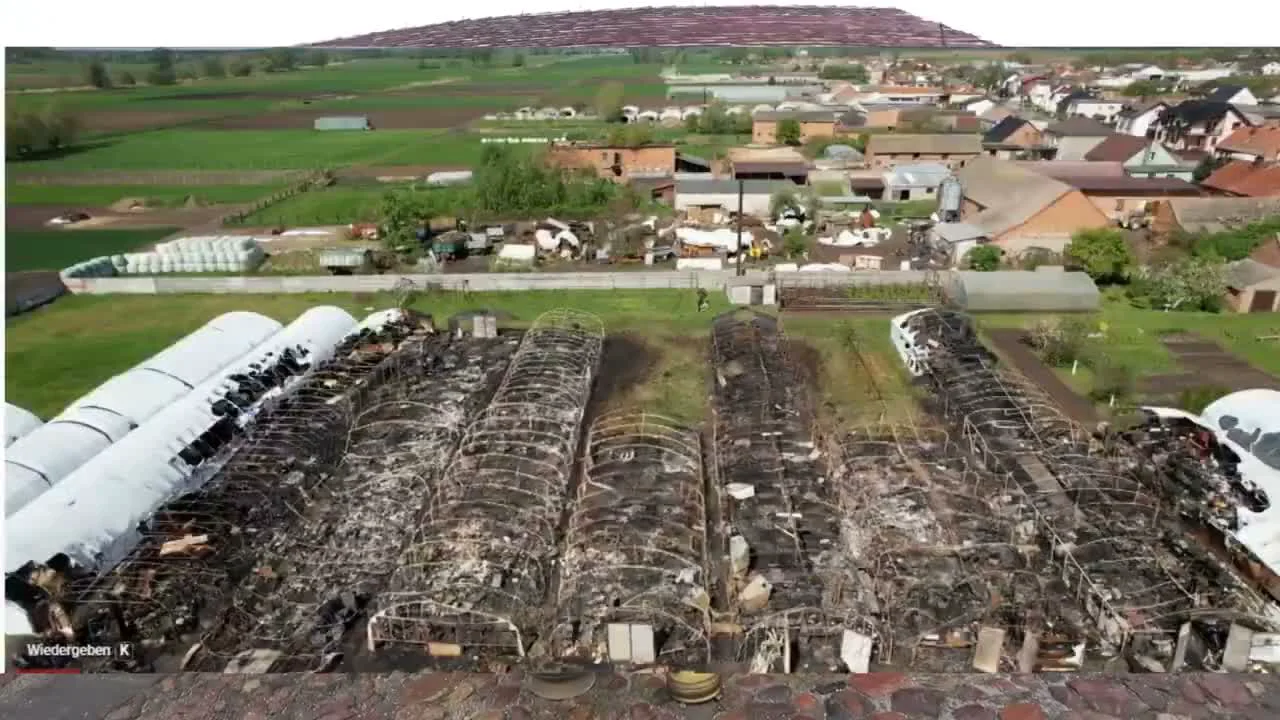
Unfortunately, in mid-2024, a disaster struck the village — a major fire destroyed numerous hangars along with all their contents. Hectares of land where antiques were stored were affected, which was a huge blow to local traders. Rumors circulated among the residents that it might have been an intentional arson, but the police made no official statements on the matter. After the fire, people began to build new, more substantial warehouses to replace the burnt-out temporary, tent-like structures.
Visiting One of the Founders
One of the first people to start an antiques business in this village stores his goods not in a hangar, but in a large, old house. His business is a family affair, involving his daughter, son-in-law, and wife. The owner is a professional carpenter, which allows him to restore antique furniture himself, understanding all the intricacies of working with wood.
Visiting this place was complicated by the fact that it was Christmas Eve. The Polish people are religious, so most shops were closed. This particular seller was working only because a new shipment of goods had arrived from Western Europe, presumably from Germany or the Netherlands, and it needed to be unloaded.

An Overview of the Assortment and Pricing
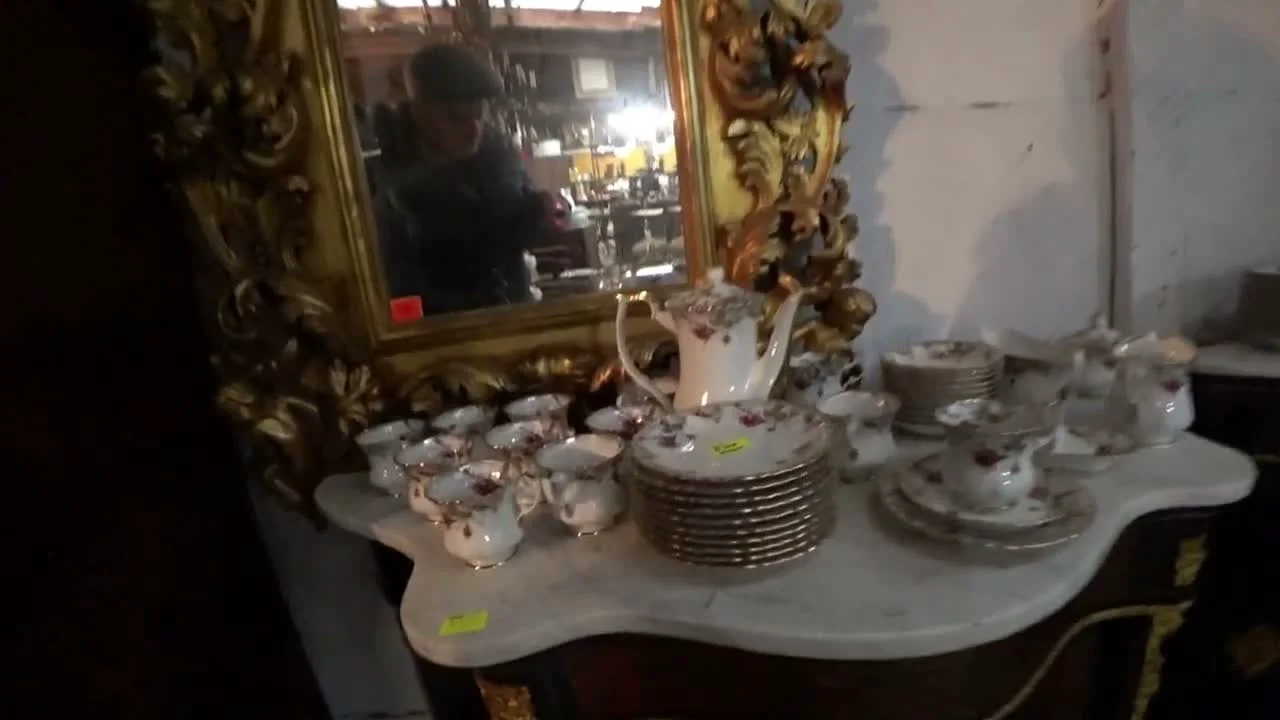
Inside the house-warehouse, you can find many interesting items: from a copy of Leonardo da Vinci's 'The Last Supper' to various pieces of furniture and clocks. The prices on the items are listed in Polish złoty. To understand the cost in euros, you need to divide the indicated amount by about four.
For example, an artist's easel (a stand for paintings) costs 350 złoty, which is about 87 euros. An interesting 'Scherenstuhl,' also known as a 'knight's chair' or 'commander's chair,' costs about the same. Its special feature is that it folds like scissors, making it convenient for transport.

Surprising Finds and Market Paradoxes
Among the unusual items are massive wooden chairs shaped like elephants with tusks made of imitation ivory. You can also find Polish dinner sets from the Soviet era, which were once as popular as the German 'Madonna' porcelain.
An interesting paradox of the local market is that the prices for many items here are significantly lower than in Germany or the Netherlands, where they are apparently sourced from. It is likely that Polish antique dealers buy goods at European flea markets and sales at very low prices. As a result, dealers from Germany and the Netherlands come here to buy back these same items for resale in their home countries, creating a unique cycle of antiques.
Clocks and Other Interior Items
The shop offers a large selection of clocks. Among them, you can find late 19th-century Japy Freres mantel clocks in the Rococo style, made of brass and bronze. There are also Art Deco clocks from the 1920s-30s in wooden cases that are worth noting. Some of them are equipped with movements by the famous German master Franz Hermle.
Besides clocks, there are many other items that can adorn an interior. For example, you can find a phonograph — the first mechanical device for recording and reproducing sound, the ancestor of gramophones and record players. Such finds show how diverse the world of antiques can be.

Geographical Advantage and Business Structure
The success of this village is largely due to its advantageous geographical location. It is located only 30-40 kilometers from Poznań and near a major highway connecting Germany with Poland's eastern border. This ensures a constant flow of buyers, including both local residents and dealers from neighboring countries.
Many sellers here, like the owner of these warehouses, own their premises, which saves them from paying rent. This allows them to survive even in difficult times. The business is often family-run: the older generation handles purchasing and restoration, while the younger generation manages online sales, reaching customers all over the world.
