
The Most Common Gold Coins of the Empire
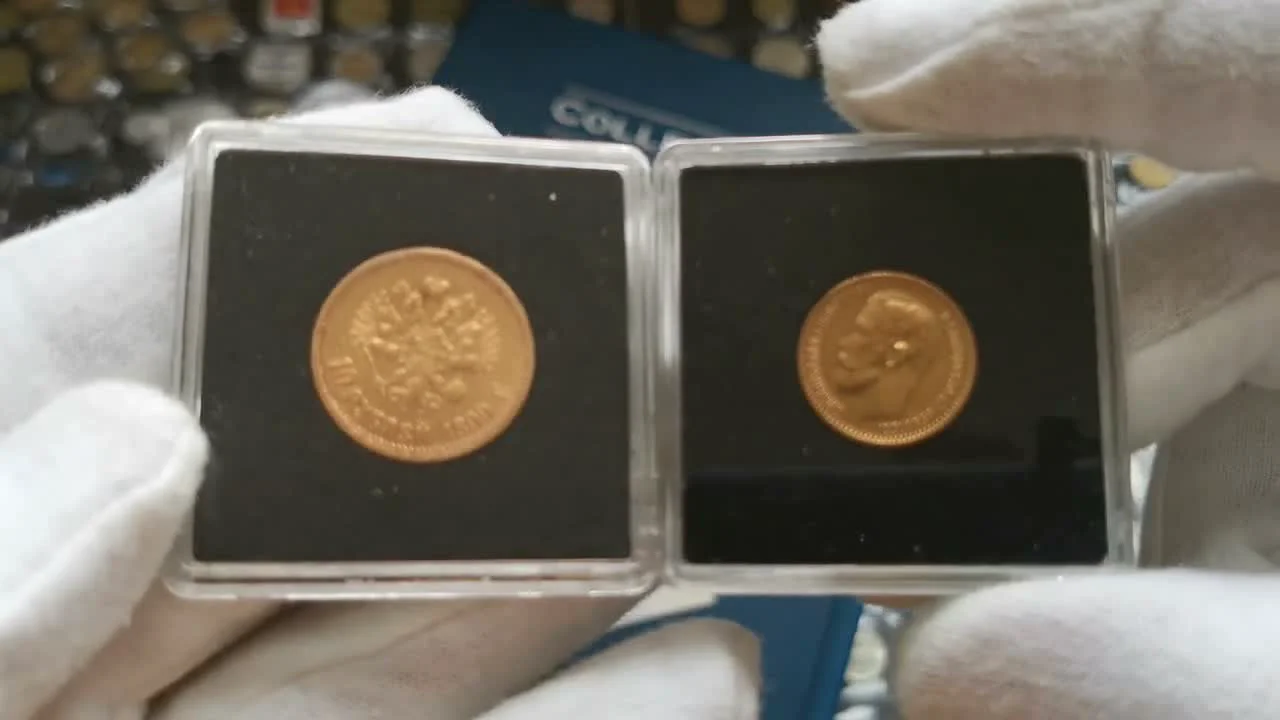
Gold coins from the time of Nicholas II are considered some of the simplest and most common in the numismatics of the Russian Empire. Denominations of 5 and 10 rubles, which were minted in huge quantities and were in wide circulation, are often found in collections.
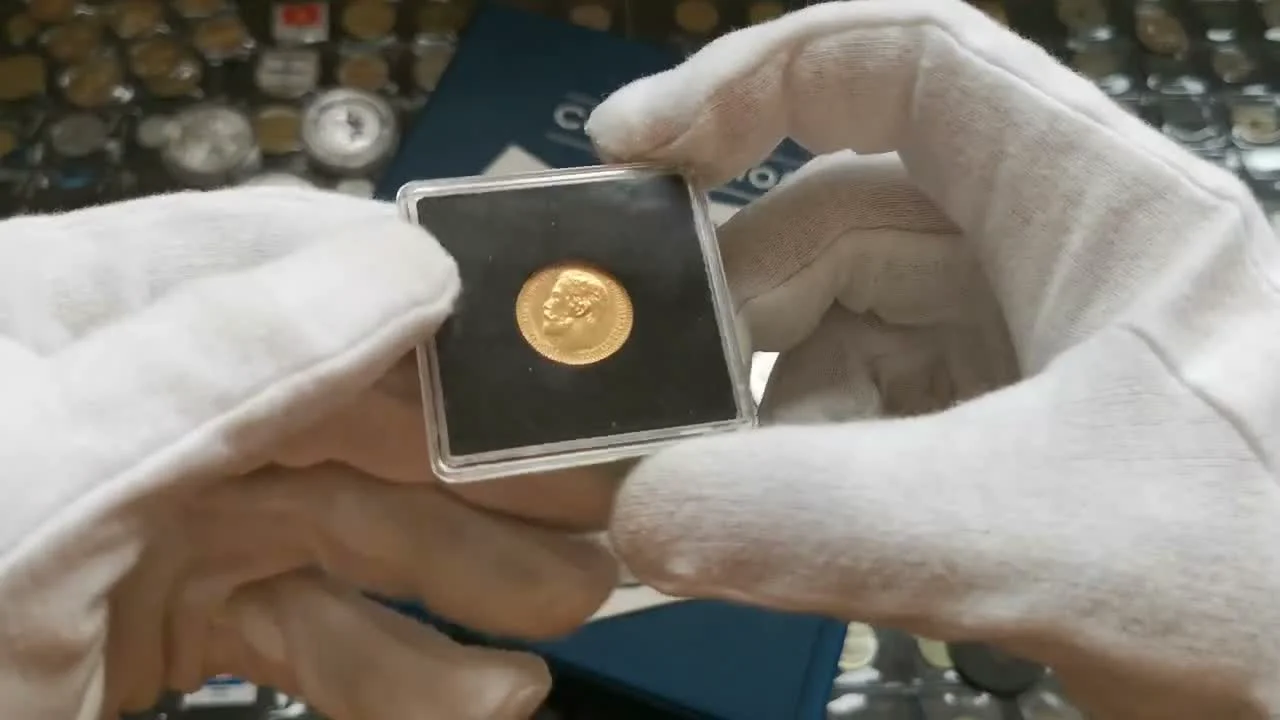
An example of such a coin is the 5-ruble gold coin. Despite its accessibility, it has an attractive design and historical value. These coins have become a kind of 'entry ticket' into the world of collecting tsarist gold.
In addition to mass issues, rarer and more interesting coins were also minted during the reign of Nicholas II. These include:
- Imperials
- 7.5 ruble coins
- 15 ruble coins
Design and Huge Mintage
A characteristic feature of Nicholas II's coins, starting from the 25-kopek denomination, was a unified portrait design. The emperor's image remained unchanged throughout the entire minting period; only the year of issue changed on the coin. This standard portrait was used on all large denominations, including silver and gold coins.
The gold coins were minted in huge quantities, which was related to the monetary reform being carried out at the time and the urgent need for currency. For example, the 5-ruble coin of 1898 was issued in a quantity of 52 million pieces. This is a colossal mintage, exceeding many issues of modern commemorative coins.
Due to high demand and to speed up production, some batches of coins were minted not only in Russia but also abroad. It is known that orders were placed at mints in France and Brussels when the capacity of domestic enterprises was insufficient.
The 10 Rubles of 1899 and Principles of Appraisal
| Value Component | Description |
| Gold Price | The main component, dependent on the coin's weight and fineness. |
| Numismatic Premium | A small additional value (about 20%) for its historical and collectible worth. |
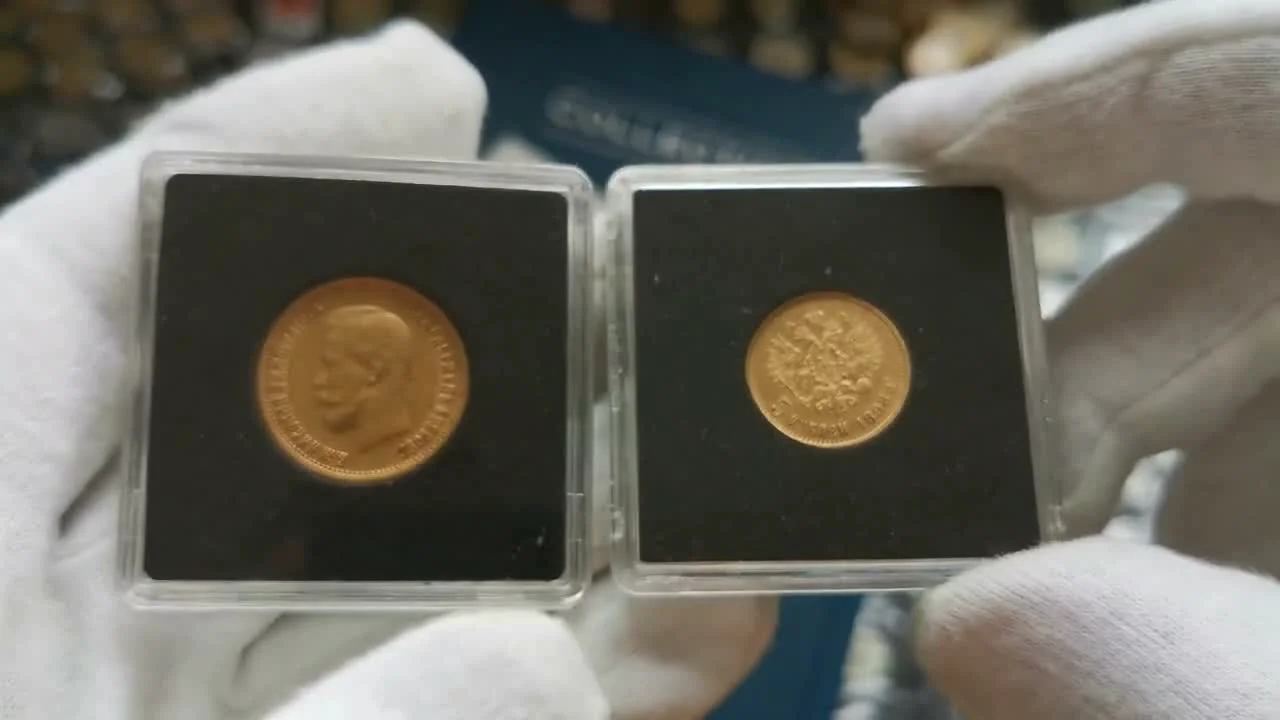
Another common coin is the 10-ruble 'chervonets'. For example, the 1899 coin also has a very large mintage—around 25-27 million pieces. It is important to understand that these were 'circulating' coins, meaning they were actively used in currency exchange, so finding them in perfect (UNC) condition is quite difficult.
Due to the enormous mintage, the value of such coins today is directly dependent on the price of gold. Their collectible value is low, so the appraisal is based on a simple principle.
In recent years, the value of these coins has increased, but this is primarily due to the rise in global prices for the precious metal itself. Nevertheless, there are also rare years of issue for these denominations, the price of which can be several times higher.