
What is Slabbing and Why is it Necessary?
Over the past ten years, the demand for coins packaged in a special protective case, known as a 'slab,' has grown significantly in the numismatic market. This is especially true for specimens of high value, historical significance, or excellent condition. Collectors are increasingly seeking not just to collect, but to properly and professionally preserve their treasures.
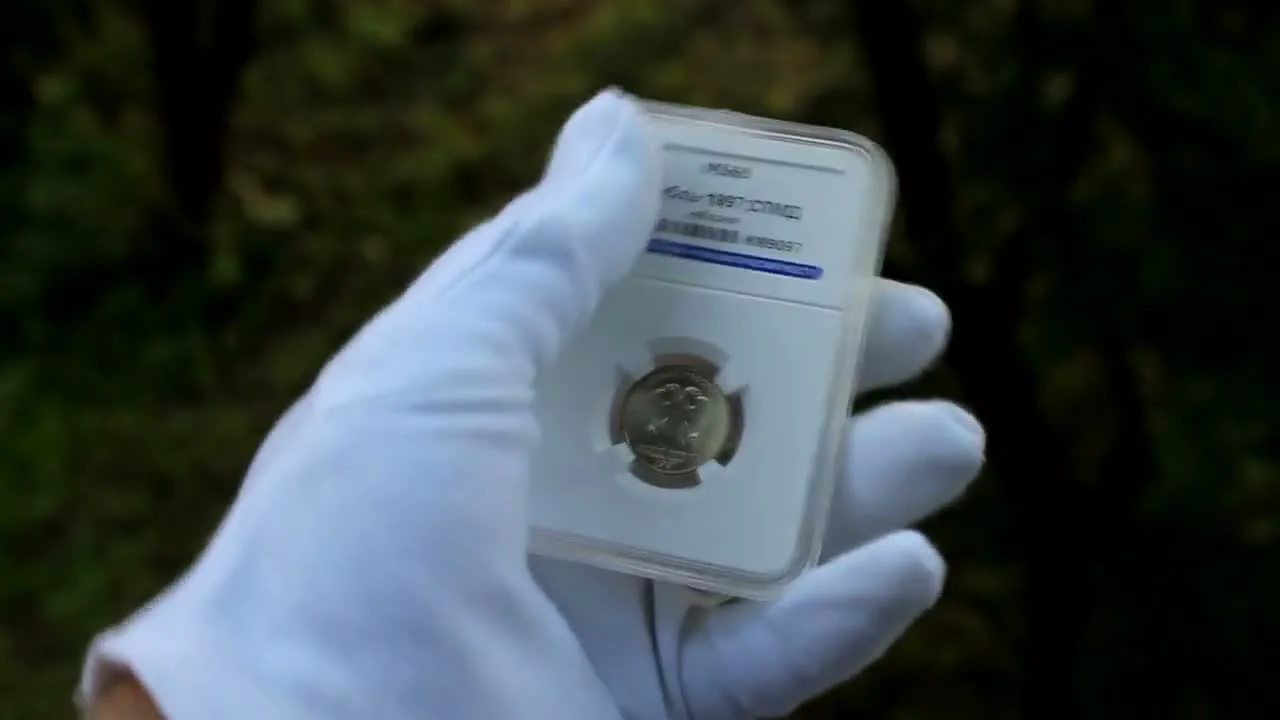
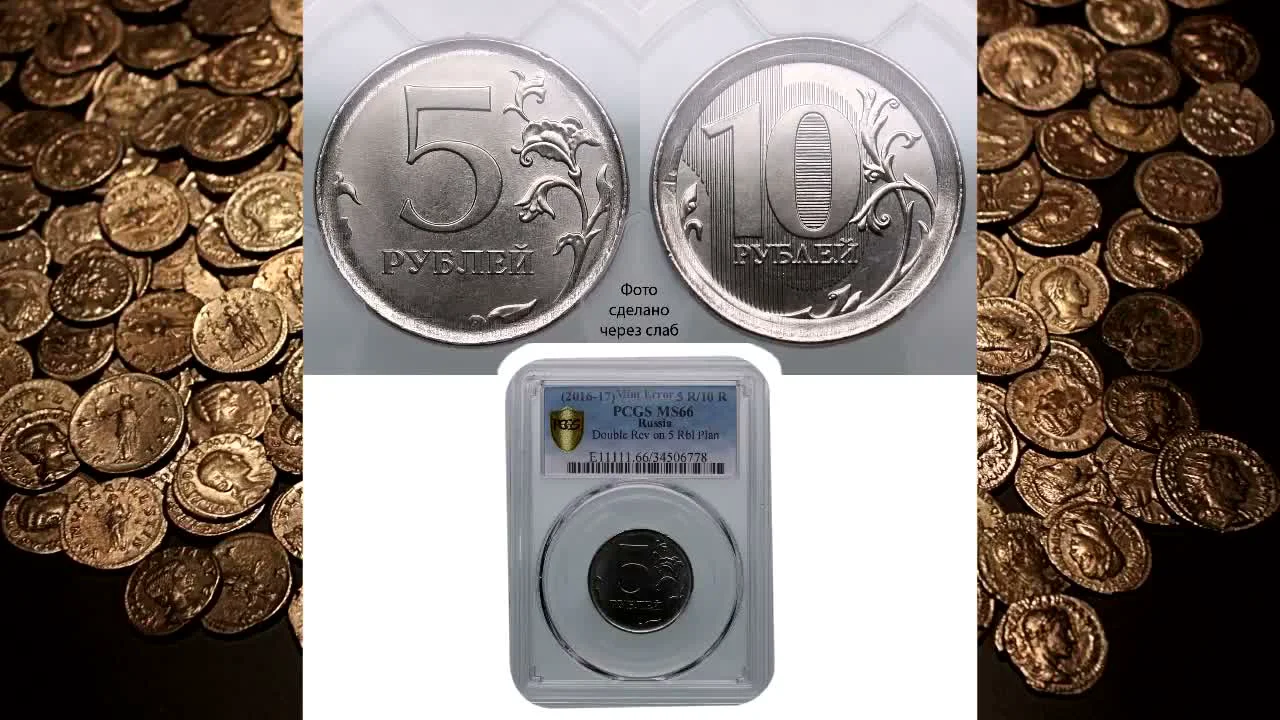
A slab is a transparent, securely sealed, and completely airtight capsule that does not allow air to pass through. This ensures the most reliable storage for a coin, protecting it from external factors. Before placing a coin in such a package, experts conduct a thorough examination.
During the examination process, everything is assessed: from the coin type and its minting date to special distinctive marks and, of course, its condition. All this information is then indicated on the slab itself and in a special certificate. The main purpose of slabbing is to establish and record the precise condition of the coin.
The Sheldon Scale: How a Coin's Condition is Determined
| Grade (International) | Sheldon Score | Grade (Russian) |
| --- | --- | --- |
| G (Good) | G 4-6 | Unsatisfactory |
| VG (Very Good) | VG 8-10 | Satisfactory |
| F (Fine) | F 12-15 | Good |
| VF (Very Fine) | VF 20-25 | Very Good |
| XF (Extremely Fine) | XF 40 | Excellent |
| AU (Almost Uncirculated) | AU 50-53 | Almost Superb |
| MS (Mint State) | MS 60-70 | Superb |
| PF (Proof) | PF 1-70 | Polished |
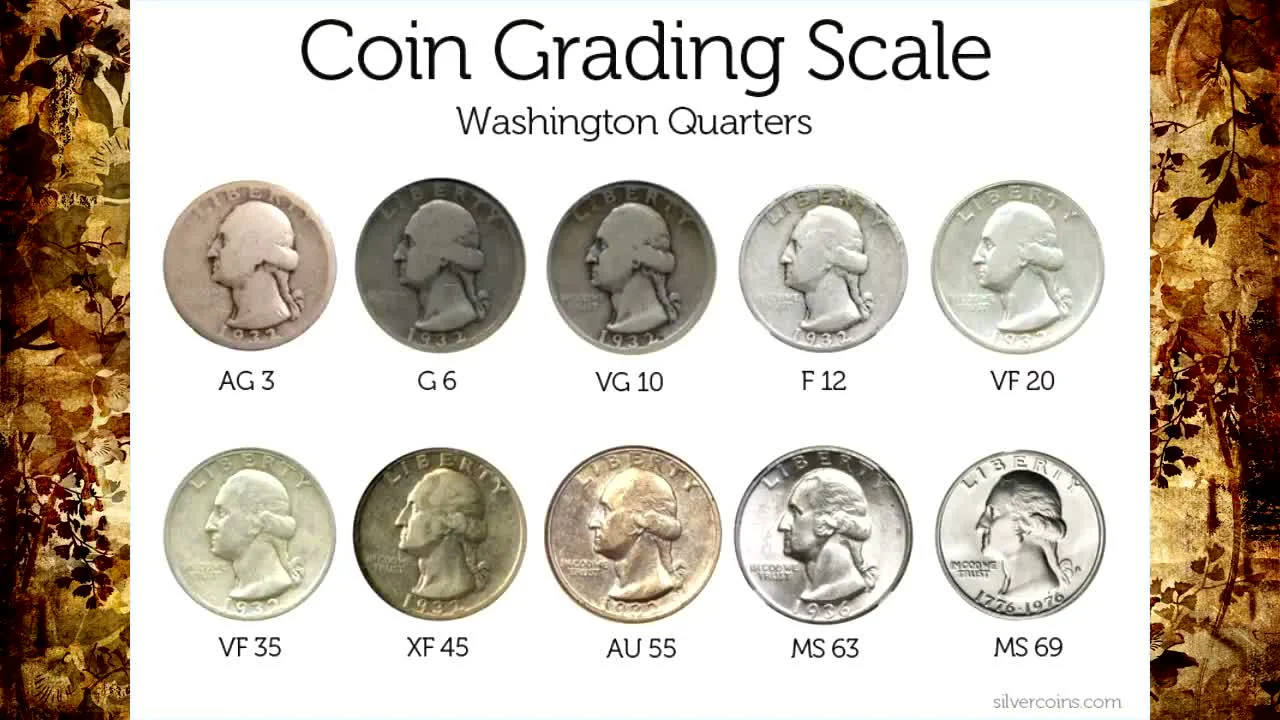
To assess the condition of coins, most modern grading companies use the Sheldon scale. This system was developed in the mid-20th century by American numismatist William Sheldon. In 1949, he published his scale, which quickly gained popularity first in the United States and then around the world.
The grading system consists of 70 points, which allows for describing any condition of a coin, from heavily worn to perfect. A score of 70 is assigned to a completely flawless coin that has never been in circulation. The significance of this scale is that it allows for precise classification of preservation, which directly affects its value. For example, two coins in excellent condition can have drastically different prices if one is graded MS 65 and the other MS 69.
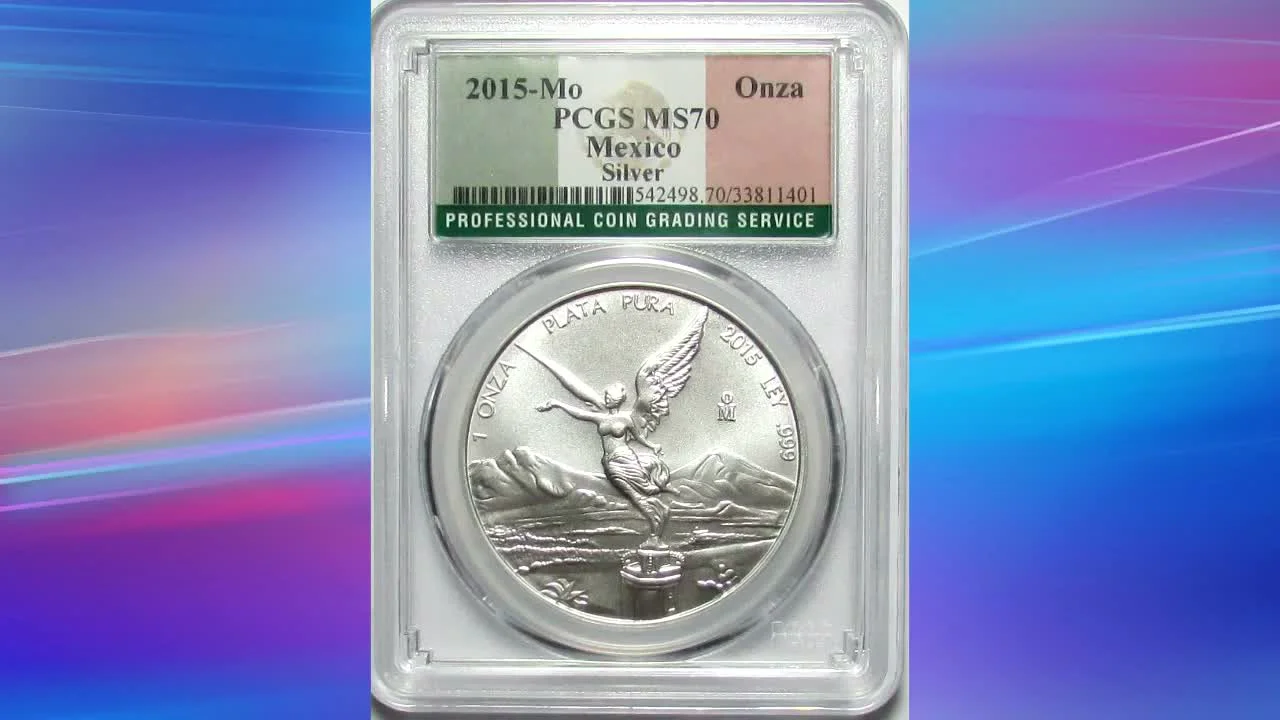
The highest grade, MS 70, can only be awarded to a few, specially prepared specimens that were not intended for circulation.
Key Advantages of Slabbing
The slabbing procedure offers collectors a number of undeniable advantages that make it increasingly popular.
- Authenticity. Grading companies only slab genuine coins. The examination, which includes visual inspection under a microscope and spectral analysis, guarantees the specimen's authenticity, which is especially important for antique coins and those made of precious metals.
- Liquidity and Value. Slabbed coins generate increased interest in the market. They are easier, faster, and generally more expensive to sell, as the buyer has no doubts about their authenticity and condition.
- Objective Condition Assessment. Professional grading provides an accurate and honest conclusion about the coin's preservation. The grades from different companies usually coincide or differ by no more than one point, creating a unified standard in the market.
- Convenient Storage. Slabs make it easy to organize a collection. If you collect coins of the same series or historical period in identical slabs, the collection takes on an aesthetic and orderly appearance.
- Reliability. The dense, airtight capsule, which numismatists sometimes jokingly call a 'coffin,' reliably protects the coin from environmental influences and mechanical damage, preserving it in the condition it was in when it was slabbed.
Disadvantages and Pitfalls of Grading
Despite its numerous advantages, slabbing also has its disadvantages, which are important to consider.
- Differences in Grading. Even a slight discrepancy of one point on the Sheldon scale can double the price of a rare coin, creating certain risks when buying and selling.
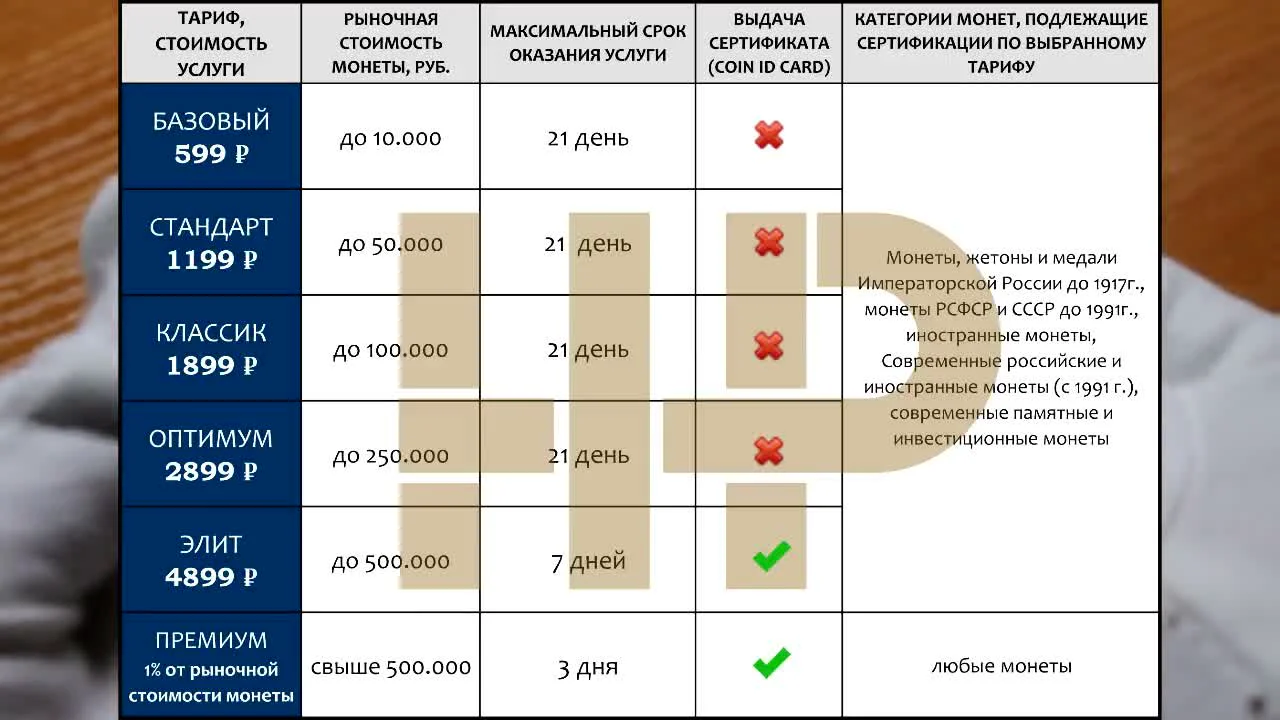
- High Cost. Grading is an expensive procedure. For example, slabbing a coin with a market value of up to 500,000 rubles at the Russian company NNR costs almost 5,000 rubles, while at the American company NGC, it's about 9,000 rubles.
- 'Custom Orders.' Sometimes, coins minted at a mint but never officially issued appear on the market. Such specimens can be slabbed as authentic, which misleads collectors.
- Inability for Tactile Contact. You cannot remove a coin from a slab to hold it in your hands, examine the edge, or simply feel its weight and texture, which for many collectors is an important part of the hobby.
- Long Turnaround Times. The slabbing process takes a long time. With Russian companies, it can take about a month, and when sending it abroad, up to three months.
The World's Leading Grading Companies
In the global numismatic market, there are several reputable companies that grade and slab coins and banknotes. The choice of company often depends on budget, the type of collectible material, and desired turnaround times.
- NGC (Numismatic Guaranty Corporation). An American company founded in 1987. It is one of the market leaders and slabs almost any genuine coin.
- PCGS (Professional Coin Grading Service). Another popular American company with a long history, providing coin grading services for coins from all over the world.
- PMG (Paper Money Guaranty). Founded in 2005, this company specializes in grading paper currency.
- NNR (National Numismatic Registry). A Russian company located in Moscow. It has established a reputation in the domestic market for its quality services and more affordable prices.
Experience with Certification at the National Numismatic Registry (NNR)
| Tier | Market Value of Coin | Service Price |
| --- | --- | --- |
| Basic | up to 10,000 RUB | 599 RUB |
| Standard | up to 50,000 RUB | 1199 RUB |
| Classic | up to 100,000 RUB | 1899 RUB |
| Optimum | up to 250,000 RUB | 2899 RUB |
| Elite | up to 500,000 RUB | 4899 RUB |
My personal experience of slabbing five coins of the Russian Federation at NNR was generally positive. The best specimens from mint sets were selected for grading, and they ultimately received high preservation scores. The slabs themselves look high-quality: they are pleasant to the touch, have a beautiful hologram, and a clear information label.
The company offers capsules of different sizes (standard, mini, and maxi) for coins with diameters from 9 to 71 mm. The cost of services depends on the market price of the coin. In this case, the basic tier was 599 rubles per coin. For more expensive specimens, the prices are higher.
The entire process took 39 days—from shipping to receiving the finished slabs. The main drawback was the performance of the DPD courier service, whose services were significantly more expensive and no faster than Russian Post. The total shipping cost was 1600 rubles, whereas Russian Post would have done it for about 400 rubles.