
Two Inscriptions on Coins from the Same Year
| Coin Type | Year | Inscription |
| Polushka | 1707 | Autocrat of all Russia |
| Polushka | 1707 | Commander of all Rus' |
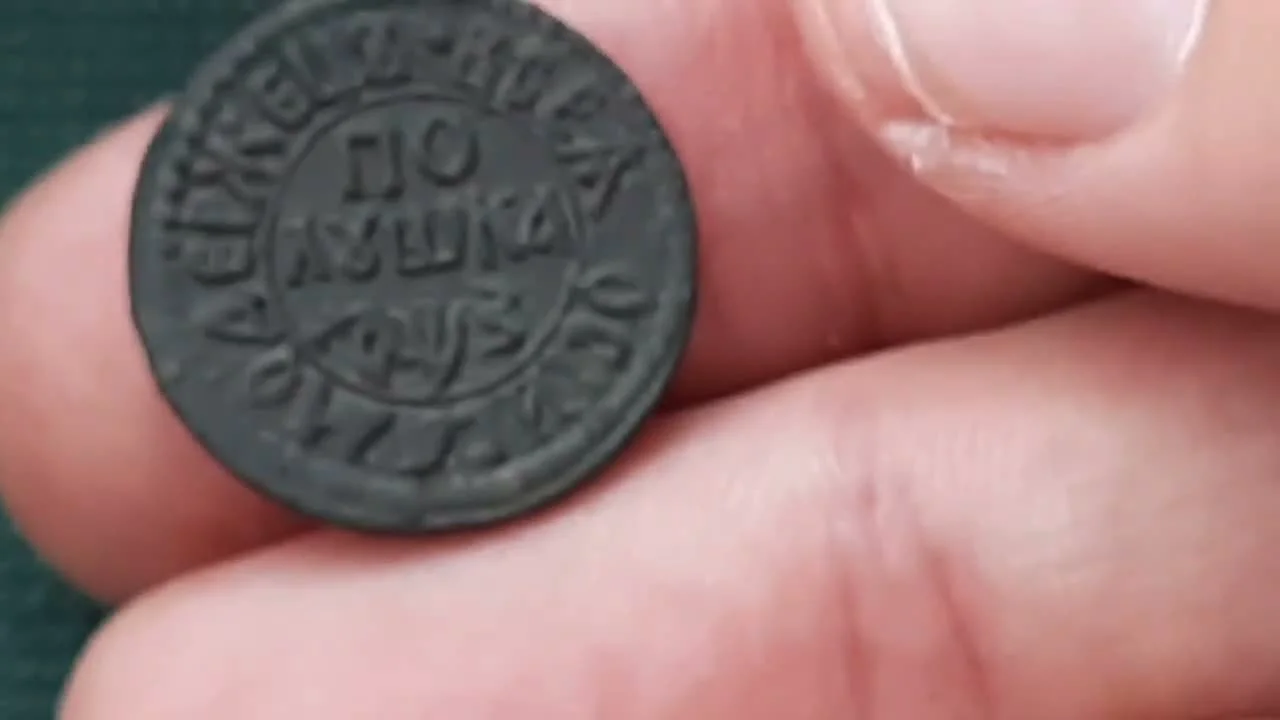
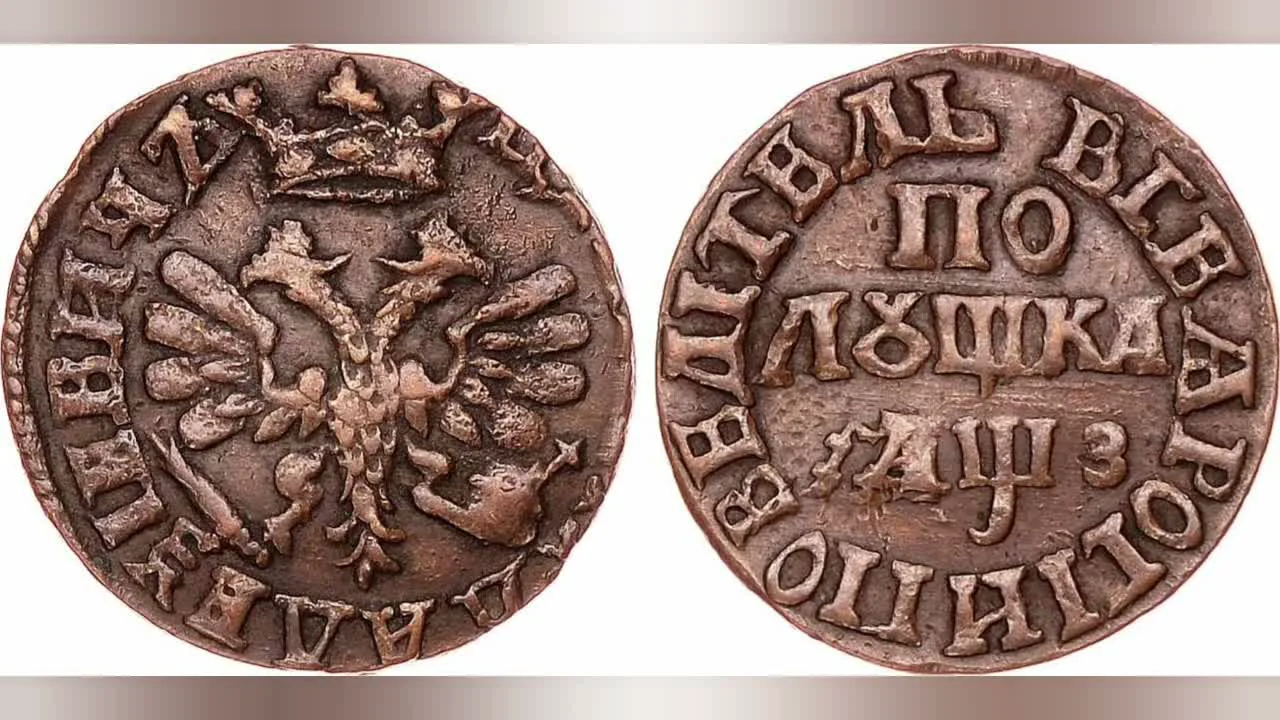
In the numismatics of the Petrine era, there is an interesting feature related to copper coins. In 1707, polushkas were issued which, despite being of the same denomination and year, bore different circular inscriptions reflecting the ruler's title.
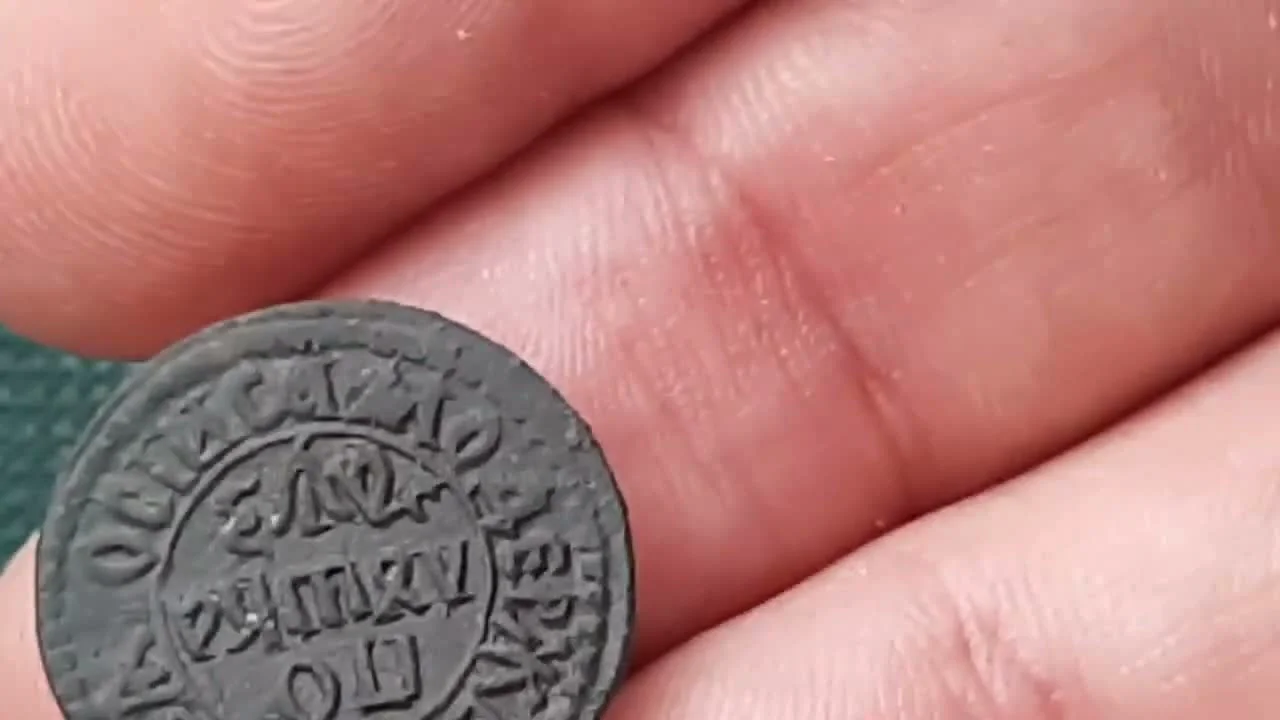
On some coins, one can read 'Autocrat of all Russia,' while on others, 'Commander of all Rus'.' These seemingly similar terms have different origins and point to different aspects of Peter I's rule, as well as differences in the production technology of the coins themselves.
Monetary Reform: From Wire Money to Round Coins
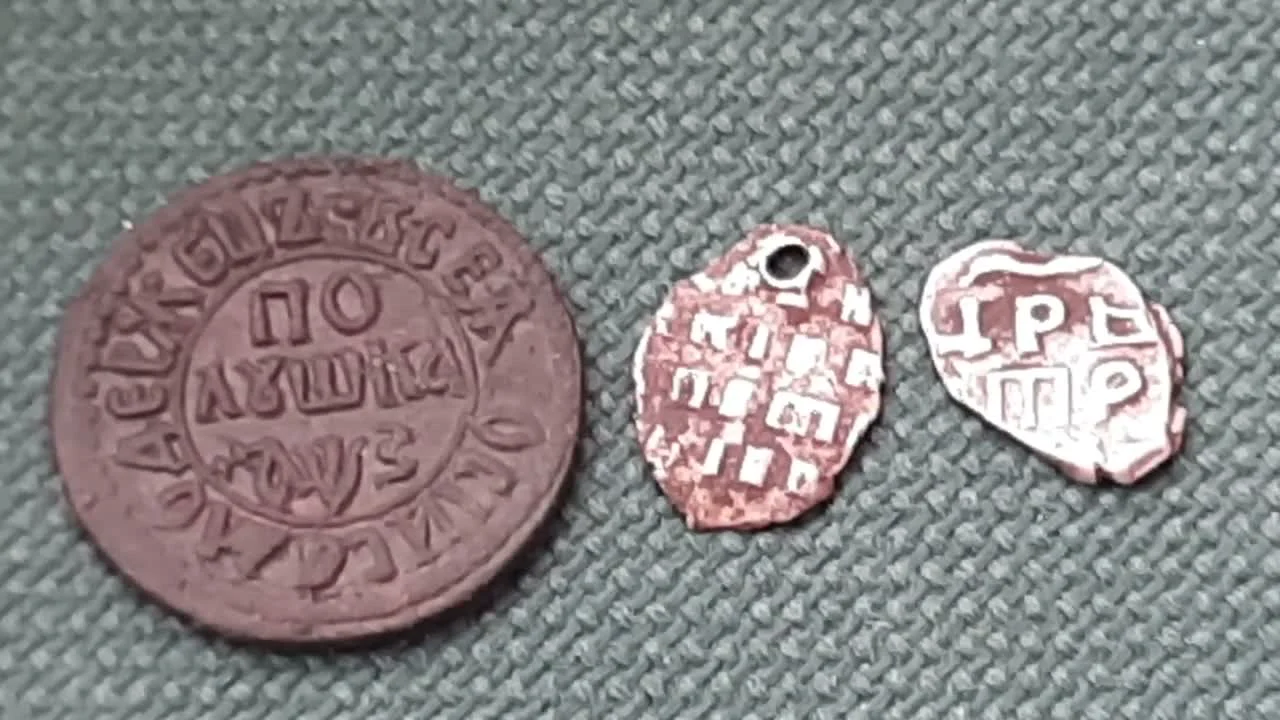
Both coins date to the reign of Peter I, during his large-scale monetary reform. Before this, circulation in Rus' mainly consisted of silver grivna-ingots and so-called 'wire money' (cheshuya) — small, irregularly shaped coins minted from chopped silver or copper wire.
During the reform, all state mints were repurposed from producing wire money to manufacturing new-style coins. The new coins were round and had a reeded edge (gurt), which significantly distinguished them from their shapeless predecessors.
Despite the change in shape, the initial production technology remained the same. It was based on copper wire, which was rolled to the required diameter, chopped into blanks, and then struck with an image.
A New Mint and New Technology
It was impossible to switch the entire country from wire money to new coins all at once due to a lack of production capacity, so the process was slow. To accelerate the reform, an extraordinary decision was made: the Admiralty and the military department were allowed to purchase new equipment from abroad and open their own mint.
This new mint was named the Kadashevsky Mint. The purchased equipment operated on a more advanced technology: coin blanks were not chopped from wire but were punched out from copper sheets. This allowed for greater standardization, which is why far fewer varieties are found on the coins from the Kadashevsky Mint.
'Commander': Earmarked Funding for the Navy
It was at the Kadashevsky Mint, which belonged to the military, that coins with the inscription 'Commander' were minted. This was one of the first experiments in Russia's history with earmarked funding: all proceeds from minting these coins were directed exclusively to the creation of the Russian navy.
Thus, this money did not go directly into the general treasury. It entered public circulation only after being spent on military needs — purchasing materials, paying wages to workers and sailors, and building ships.
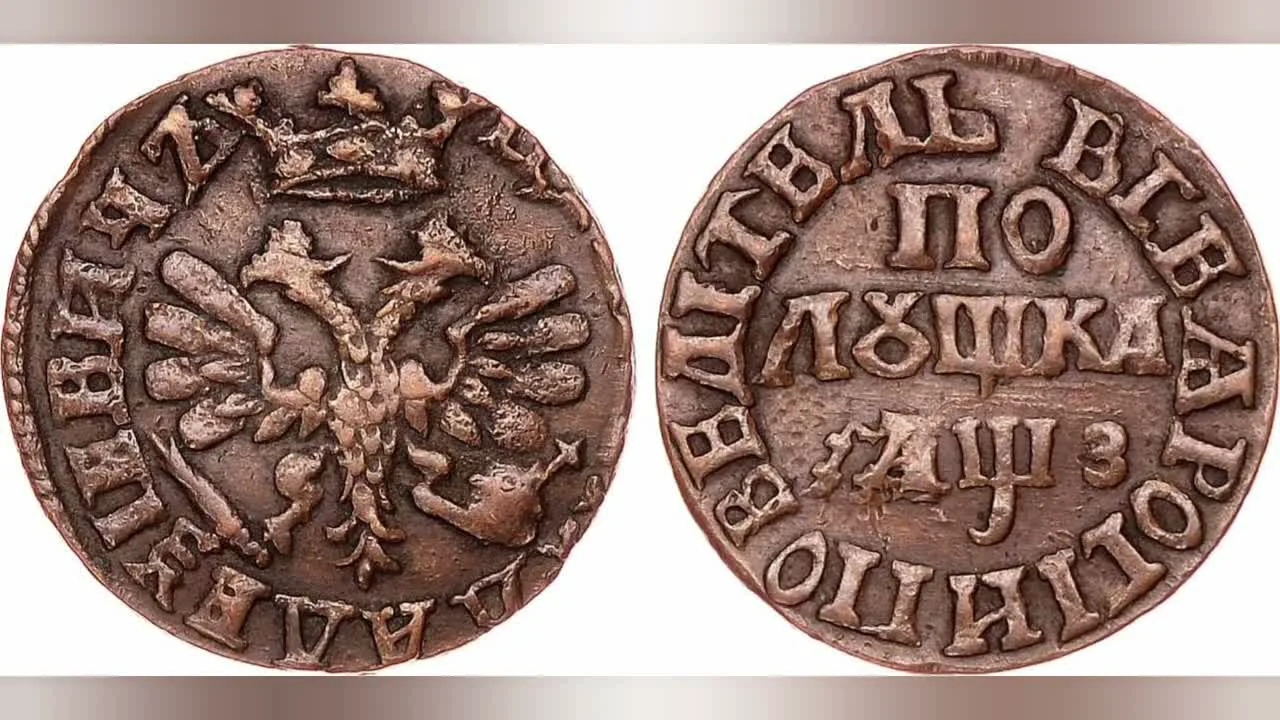
The Two Roles of Peter I: Tsar and Commander-in-Chief
| Title | Sphere of Power | Method of Rule |
| Autocrat | The State | Laws and restrictions |
| Commander | Army and Navy | Direct orders |
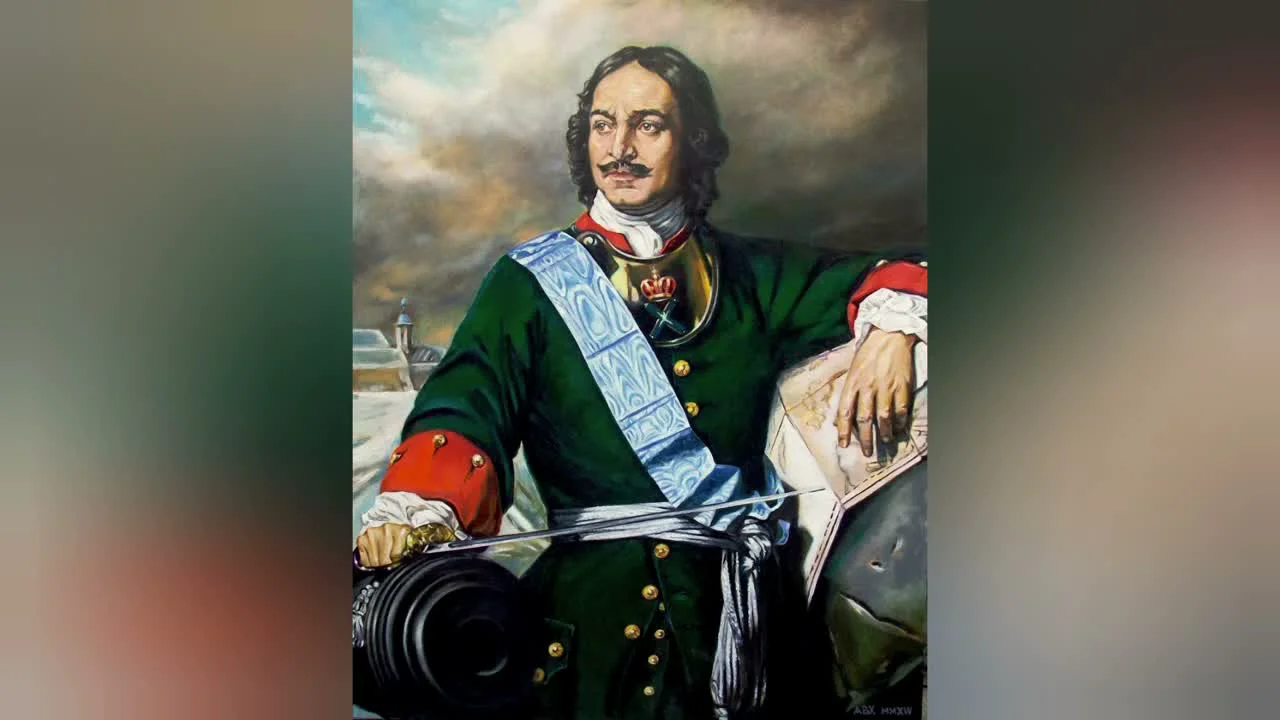
The different titles on the coins reflected the two main roles that Peter I combined. He was simultaneously the head of state (Tsar) and the supreme commander-in-chief.
The governance of these two spheres was fundamentally different. A commander-in-chief leads the army by issuing direct orders. A Tsar, however, rules the state by issuing laws, and establishing restrictions and prohibitions (taboos).
Thus, the title 'Commander' referred to Peter I as the head of the military department, while 'Autocrat' referred to him as the head of state. This difference was reflected on the coins issued by different mints.
Conclusion: How to Distinguish the Coins
In summary, the coins with the inscription 'Autocrat' were the official state issue, intended for general circulation. They were produced at the old state mints using the technology of striking blanks chopped from wire, which resulted in a huge number of varieties due to the use of hand-carved dies.
The coins with the inscription 'Commander' were a targeted issue for the needs of the army and navy. They were minted at the new Kadashevsky Mint using the more advanced technology of punching blanks from a sheet. This explains why there are almost no die varieties among the 'Commander' polushkas.