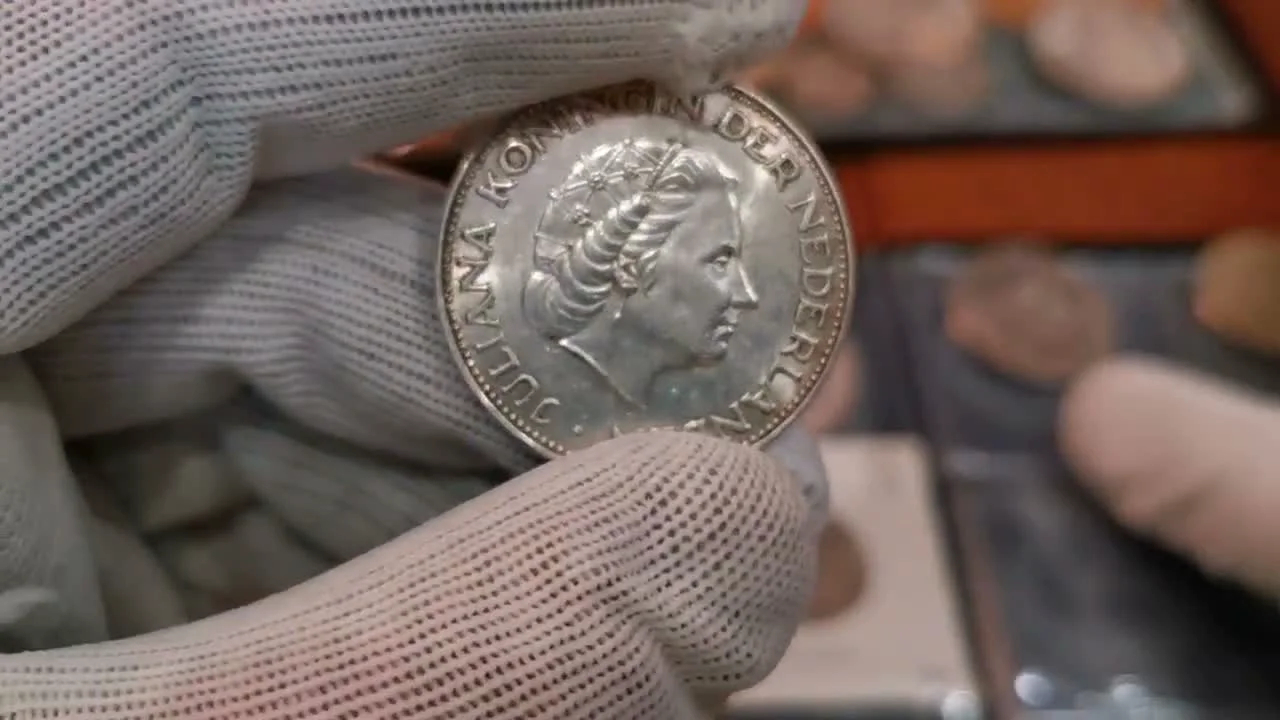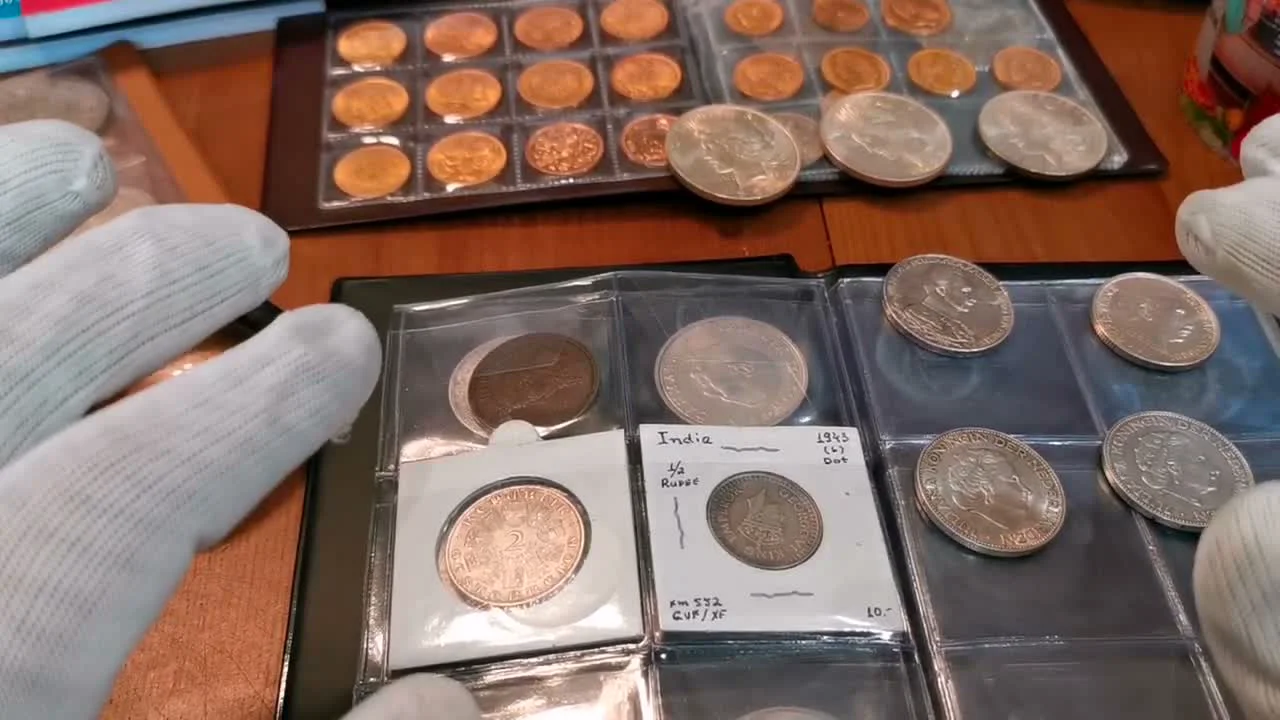

Introduction: Storage Damage and Signs of Cleaning
For coin collectors, it's important to be able to distinguish between natural damage from storage or transport and signs of artificial cleaning. The former, known as 'bag marks,' result from coins coming into contact with each other at the mint or in bags. The latter are the result of mechanical action intended to give the coin a shine, which irreversibly damages its surface.
The difference between these two types of defects drastically affects a coin's collectible value and price. Even specimens graded MS63 or MS64 can have bag marks, but never signs of abrasive cleaning. A visual inspection under bright light helps reveal the nature of the scratches and determine their origin.
Case 1: Contact Marks on a 1922 Peace Dollar
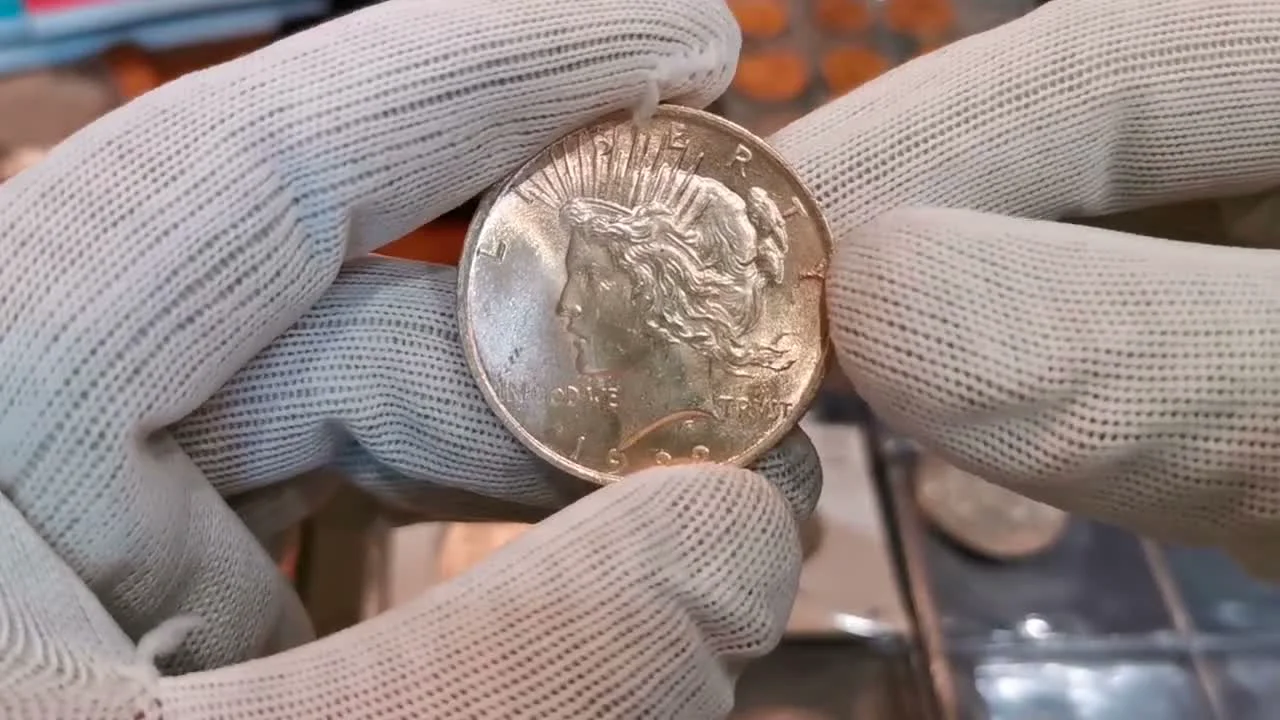
Let's consider an American 1922 'Peace Dollar.' Its field shows specific damage resembling a tire tread mark—a series of small, consecutive nicks. Such marks are not the result of cleaning.
This damage occurs when the reeded edge of another coin strikes the field and rolls across it. This is a typical result of storing and transporting coins in bulk in bags. It is important to note that the original mint luster beneath this damage remains untouched.
Such defects are considered natural and acceptable for collectible coins, especially for so-called 'bullion coins,' such as Morgan and Peace dollars. They are not considered a critical flaw, unlike signs of intentional cleaning.
Case 2: Classic 'Bag Marks' on an 1884 Morgan Dollar
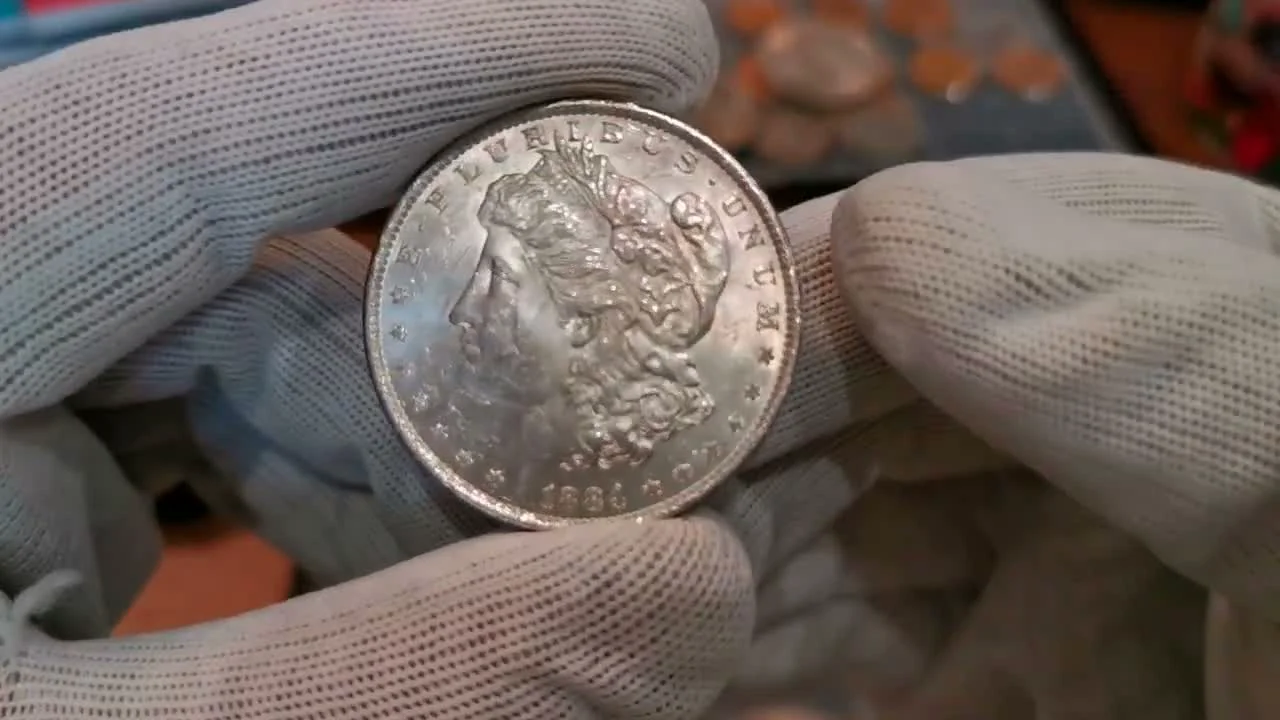
Another example of natural damage can be seen on an 1884 Morgan dollar. There are numerous small scratches on the portrait's cheek and in the coin's fields. However, unlike cleaning marks, these scratches are chaotic and do not have a single direction.
This type of damage is called 'bag marks,' and it also occurs from coins striking each other in bags. Despite their presence, the coin retains its bright mint luster, confirming the absence of artificial intervention. Even coins that have been graded and received a high rating, such as MS63, can have such marks.
The main criterion here is the preservation of the original luster. If the original field luster is visible beneath the scratches, it is most likely bag marks and not the result of cleaning. Although these defects do not beautify the coin, they are part of its 'history' from the mint.
Signs of Mechanical Cleaning: A German 3 Mark Coin
| Term | Description |
| Mint Luster | The original shine a coin receives at the moment of striking from a polished die. |
| Bag Marks | Chaotic scratches and dings that occur when coins come into contact with each other in bags during transport. |
| Mechanical Cleaning (Hairlines) | Unidirectional scratches left by an abrasive material (cloth, paste) in an attempt to give the coin a shine. |
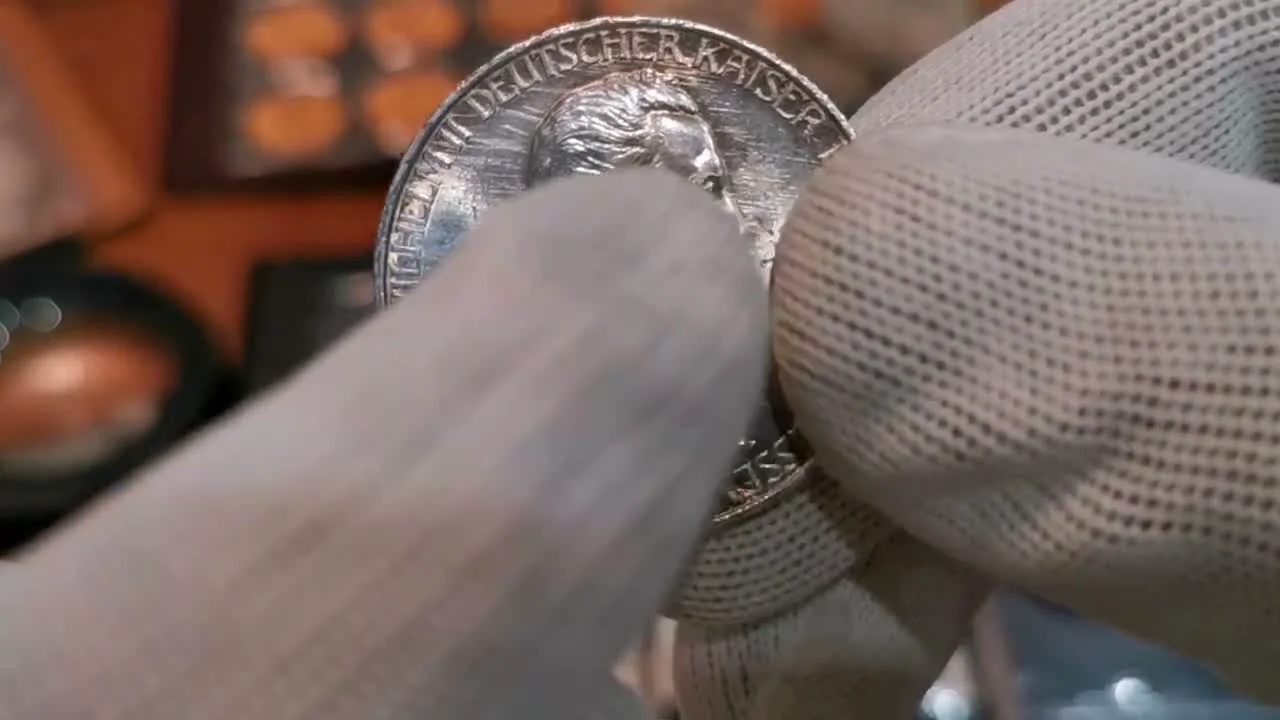
A clear example of a damaged coin is a German 3 mark coin. Although it shines, this luster is not natural. Upon close inspection at an angle, fine, parallel scratches running in one direction are visible across the entire surface of the field.
This is a sure sign of mechanical cleaning. Such marks, or 'surface hairlines,' appear when a coin is rubbed with an abrasive material, such as a cloth with cleaning paste. As a result of this action, the original mint luster is completely destroyed and replaced by an artificial, 'dead' gloss.
Cleaning drastically reduces the collectible value. A coin that could be worth from $80 to $200 in perfect condition is valued at no more than $40-50 after such 'restoration.'
How to Spot Subtle Cleaning: A Danish 2 Kroner
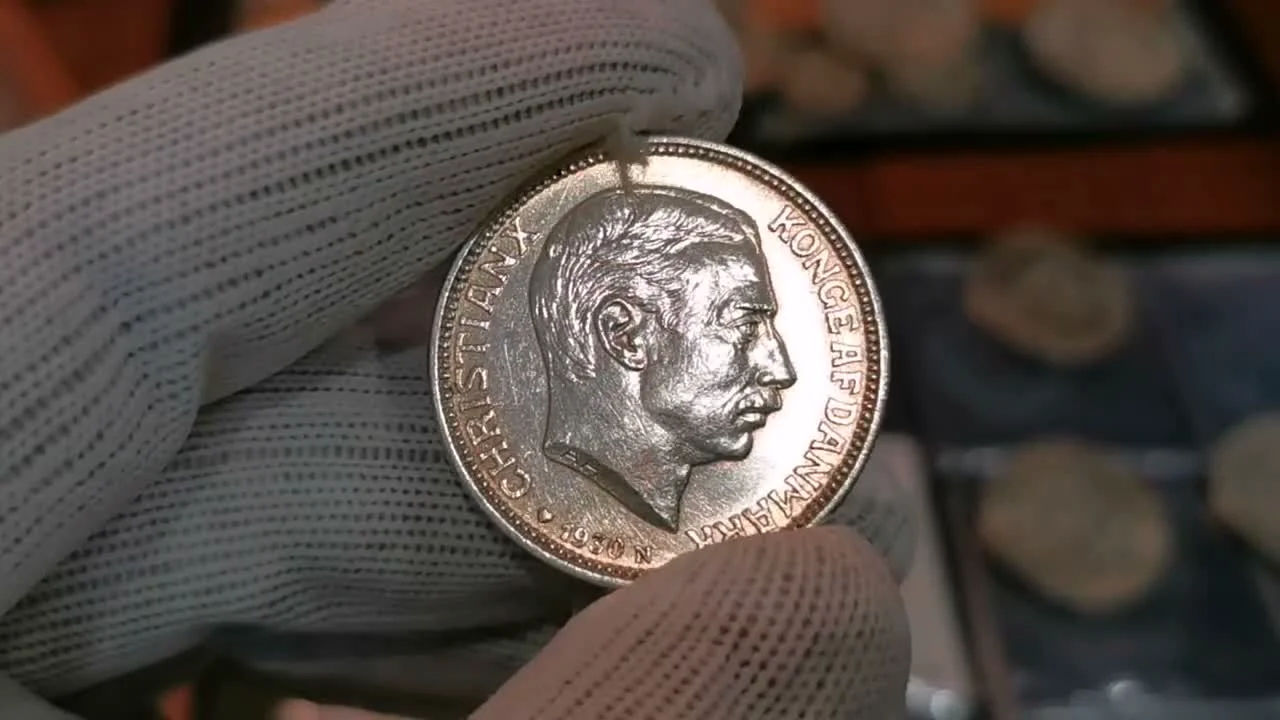
The signs of cleaning are not always so obvious. A more subtle job can be seen on the example of a 1930 Danish 2 kroner coin. The coin appears bright and attractive, but when inspected at a certain angle to the light, numerous vertical scratches become visible on its surface, especially around the neck of King Christian X and behind his head.
These scratches, as in the previous case, have a single direction, which unmistakably indicates mechanical cleaning. Although they are less noticeable, their presence completely strips the coin of its collectible value. An initially inexpensive coin worth $12-15 will be valued only for the weight of its silver content after cleaning.
When submitted for grading, such a coin will not receive a numerical grade (e.g., MS63) but will be returned with a 'Details' designation and a note such as 'Cleaned' or 'Surface Hairlines.' This means the coin is authentic, but its surface has been irreversibly damaged.
Conclusion: Key Differences for Proper Assessment
To correctly assess a coin's condition and avoid acquiring a damaged specimen, it is important to remember the key differences between natural damage and signs of cleaning. Always inspect the coin under a bright lamp, changing the angle of tilt.
You should pay attention to two main types of defects:
- Natural damage (bag marks, marks from reeded edges). They are always chaotic, multidirectional, and do not destroy the coin's original mint luster. Such defects are normal for coins stored in bulk and are acceptable to collectors.
- Signs of mechanical cleaning (hairlines). These are parallel, unidirectional scratches on the coin's fields. They indicate that the surface was treated with an abrasive, destroying the mint luster and replacing it with an artificial one. Such coins lose most of their collectible value.