
The Origin of a Die Crack
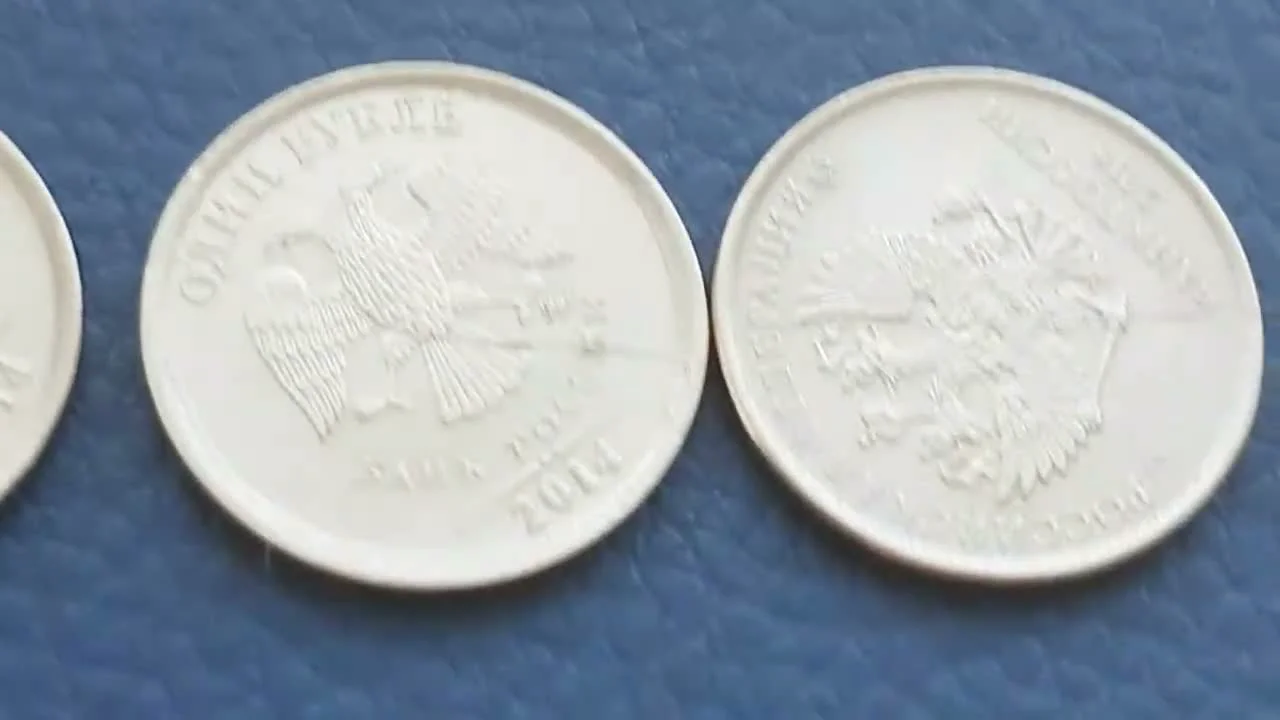
A die crack is a type of mint error that has been known since ancient times, ever since humanity began minting coins. The reason for its occurrence is simple: no matter how durable the steel from which the die is made, it eventually wears out and cracks from the constant impacts and stresses during the minting process.
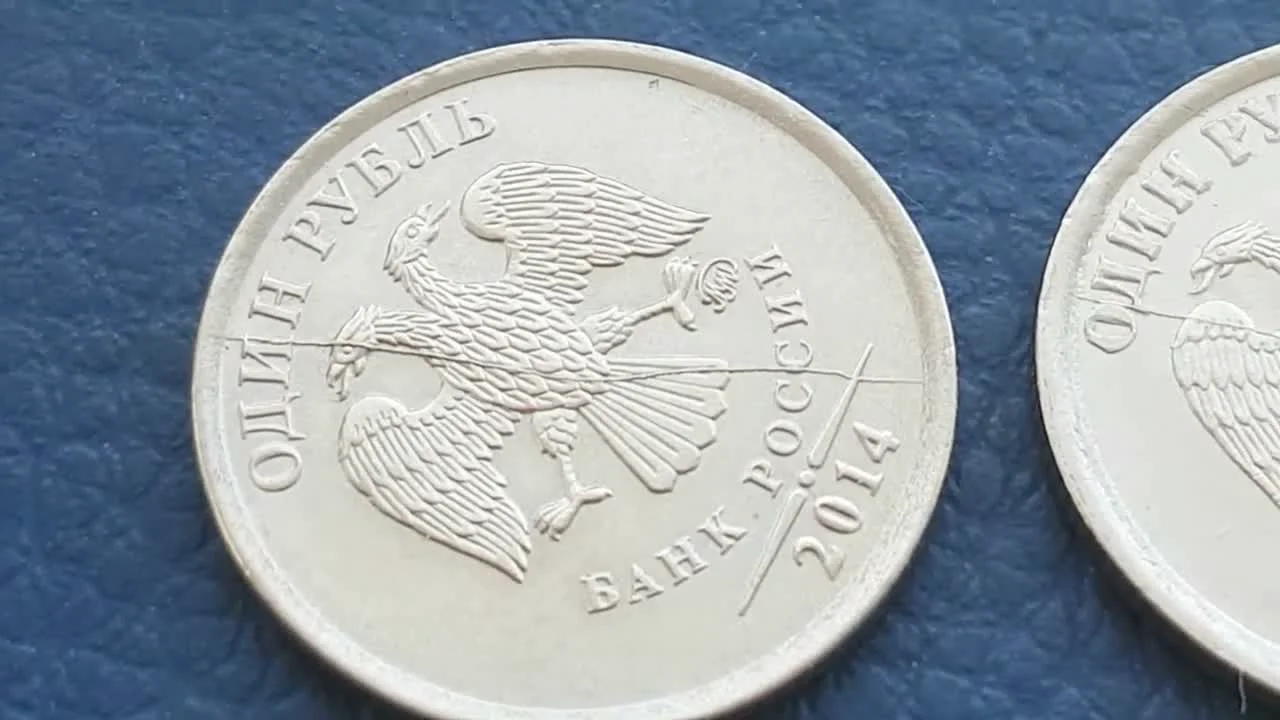
This crack on the die's working surface leaves a raised line on the coin, which is called a die crack. Such defects are found on both modern and antique coins, making them an interesting subject of study for numismatists interested in mint errors.
Main Types of Die Cracks
In numismatics, it is common to distinguish between two main types of die cracks, which differ in their scale and appearance. Understanding these differences helps to correctly classify the mint error.
The following types of die cracks exist:
- Full Die Crack. This is a defect where the crack on the die runs across its entire working surface. On the coin, it appears as a raised line extending from one edge of the rim to the other.
- Partial Die Crack. In this case, the die does not crack completely but only partially, or a small fragment breaks off. On the coin, such a defect appears as a short raised line that does not reach the edges of the coin.
During further minting, a partial crack can eventually turn into a full one, and then the die begins to crumble, after which it is permanently taken out of service.
Die Cracks on Antique Coins: The Example of Peter I's Polushka
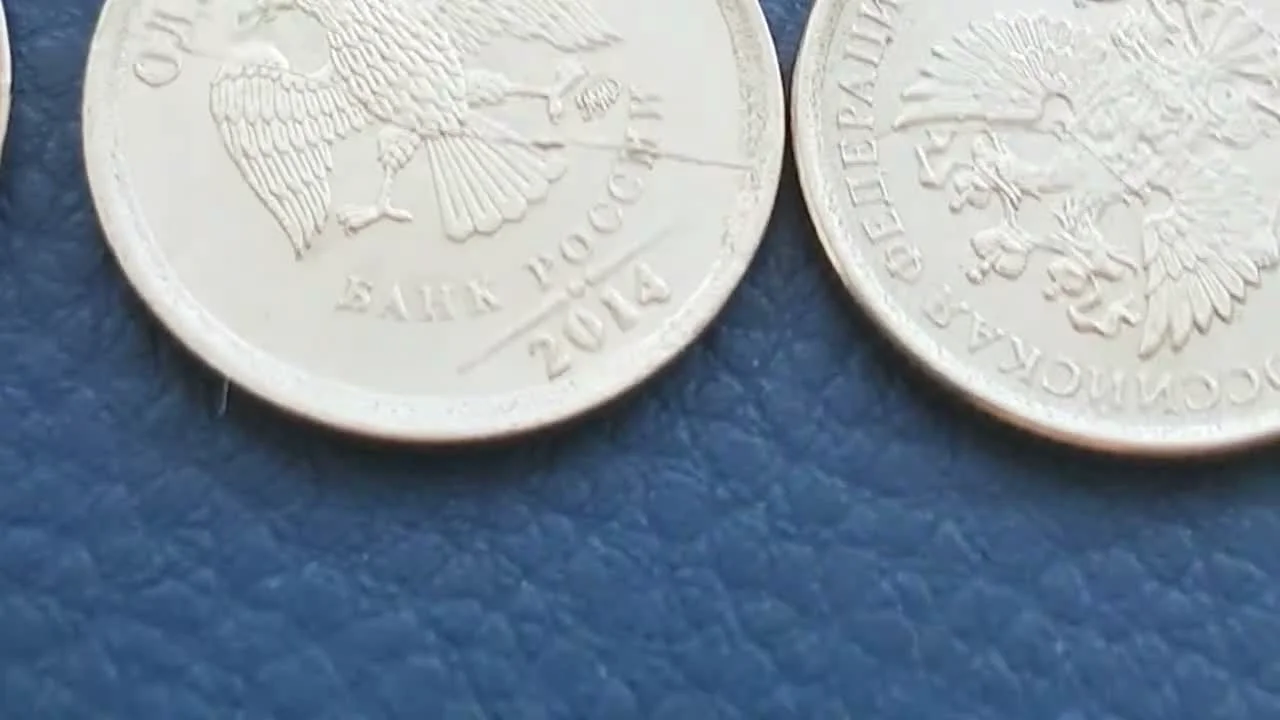
An interesting example of a die crack can be seen on a polushka from the time of Peter the Great. One such coin, dated 1707, also has this minting defect. The crack is visible on the side with the image of the double-headed eagle.
It is important to note that in ancient times, such defects were treated differently. A die crack was not considered a critical error, and such coins were put into circulation without any issues, with little attention paid to it. Today, however, the presence of such an error on a rare coin can significantly affect its valuation.
How a Die Crack Affects a Coin's Value
The value of a coin with a die crack depends on several factors, primarily its age and rarity. The valuation of such coins differs drastically for different historical periods.
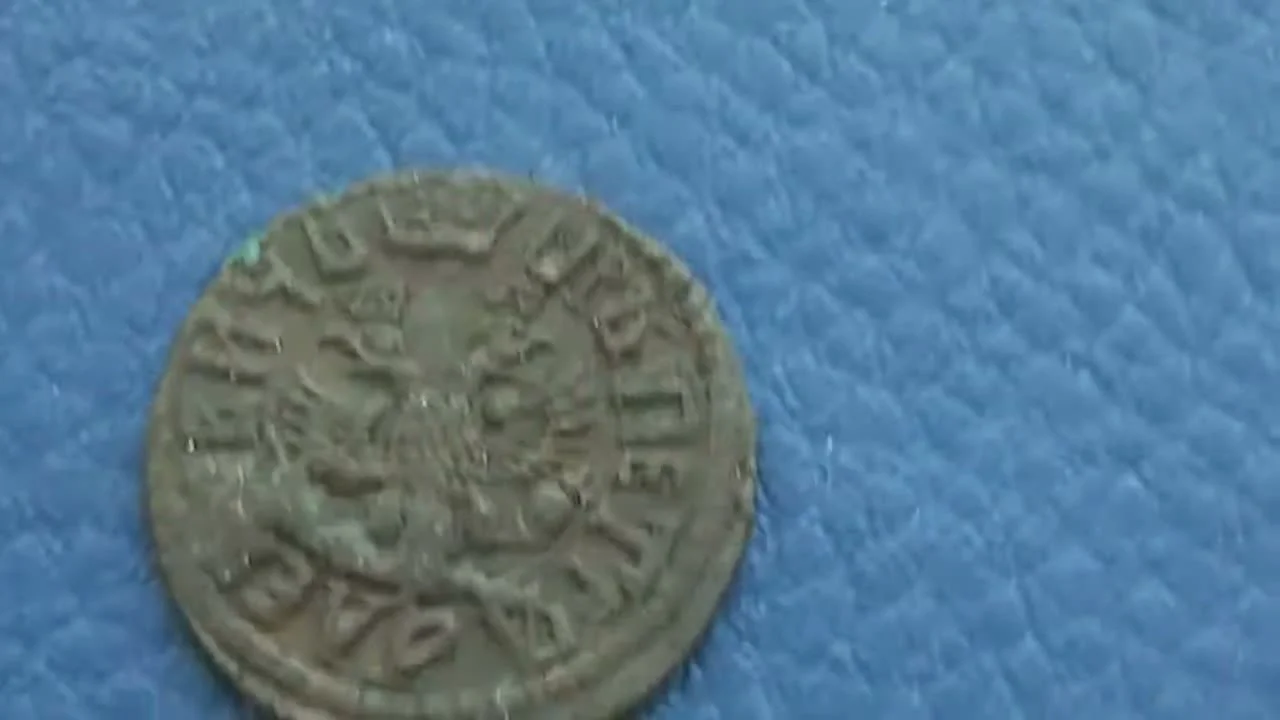
For modern circulating coins, a beautiful and clearly visible full die crack can add about 50 rubles to its value. A small, barely noticeable partial crack generally adds no value.
On old but common coins, where a die crack was not considered an error, it can also add about 50 rubles to the price. However, in the case of rare and valuable specimens, such as the polushka of Peter I, the situation is the opposite. The presence of a die crack spoils the appearance and reduces the coin's value, as collectors prefer examples in perfect condition. Without this defect, such a coin would be worth significantly more.