
A Complicated Unboxing of a Long-Awaited Coin
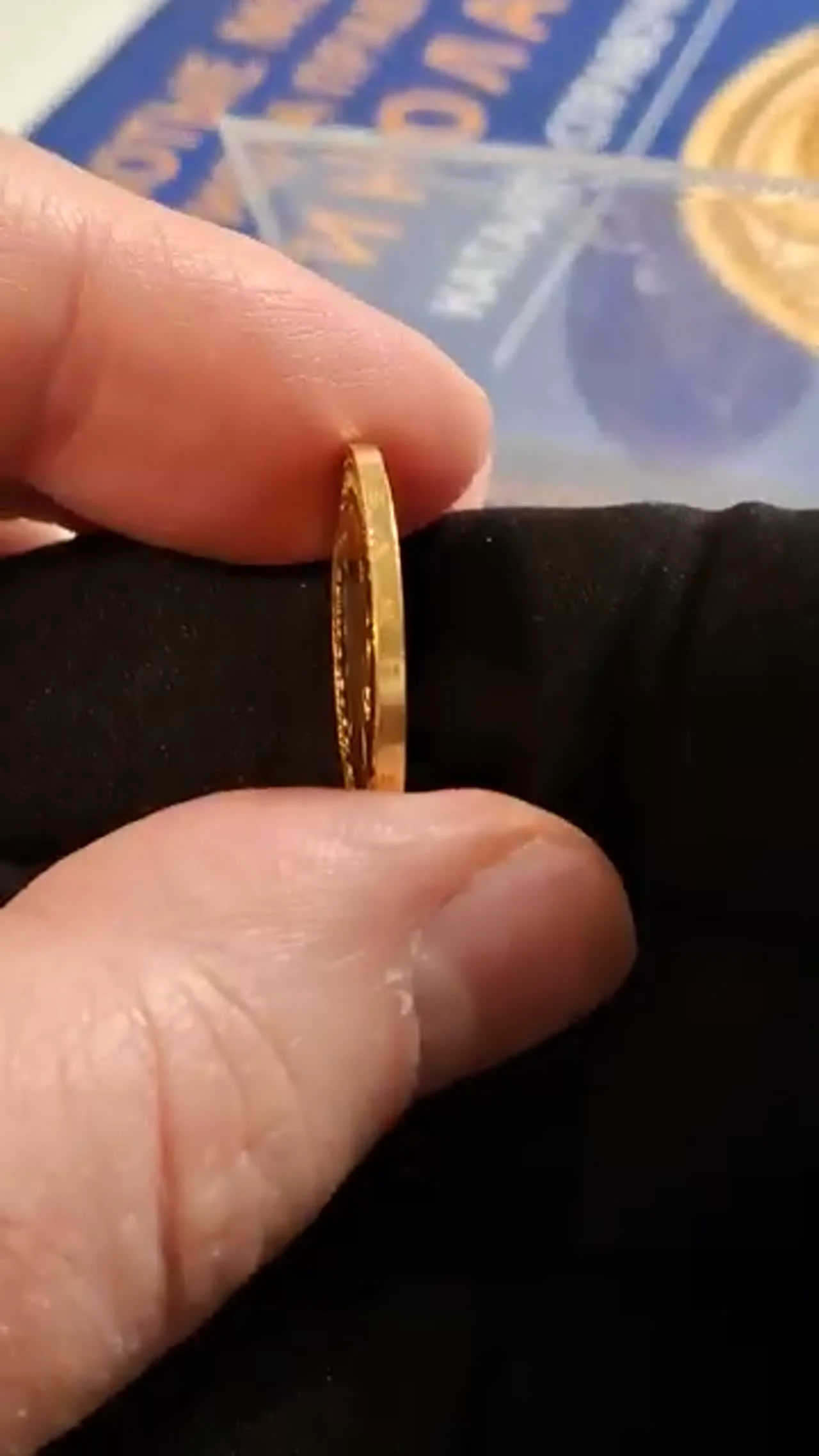
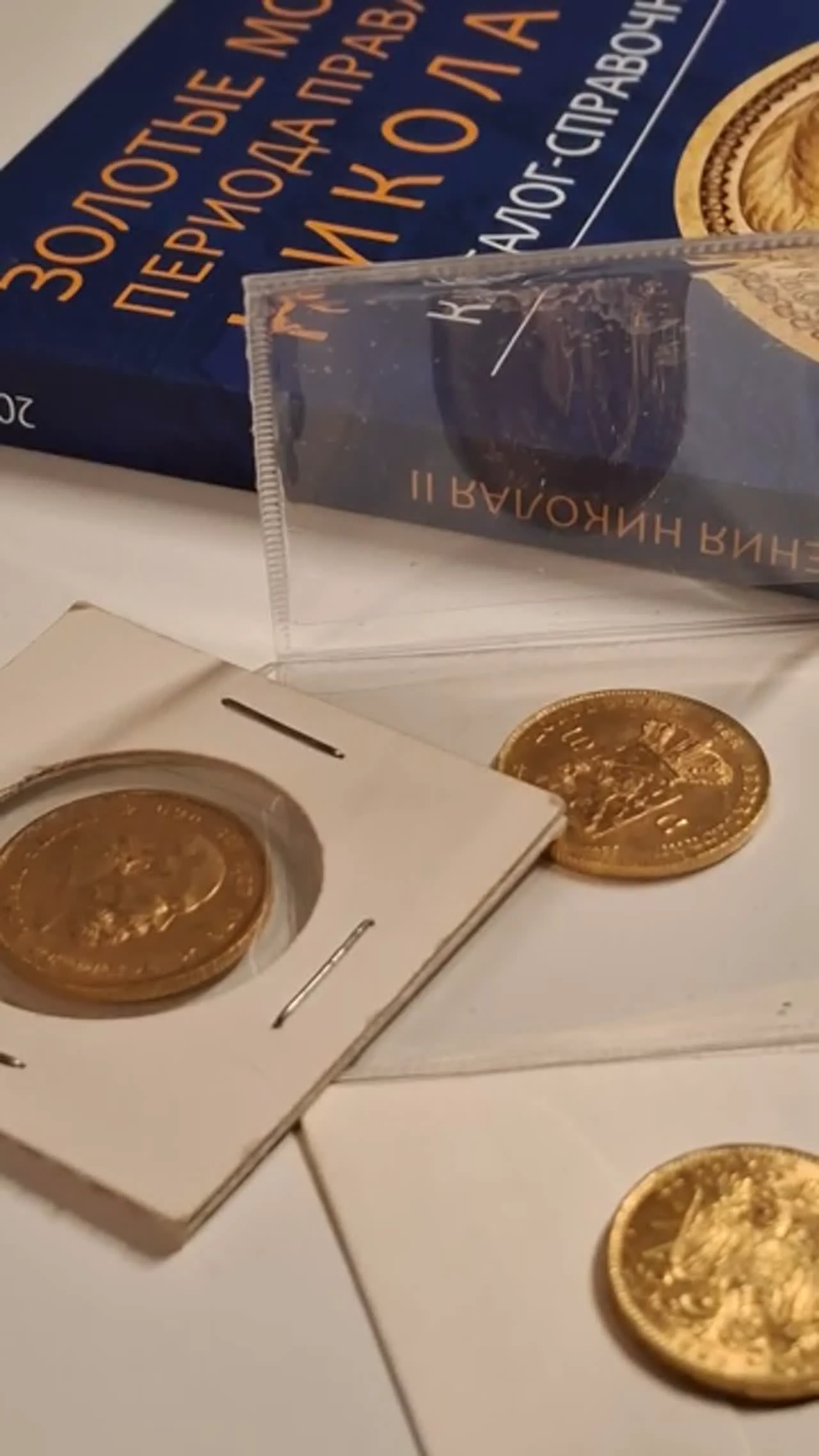
The arrival of the long-awaited collectible coin was accompanied by excitement. The packaging turned out to be very poor, which raised concerns about possible damage to the valuable specimen. In this regard, the unboxing was video-recorded to provide to the seller in case a return was necessary.
Fortunately, all fears proved to be unfounded. After a thorough inspection, it was clear that the coin was undamaged and in perfect condition, which helped avoid any disputes or return procedures.
Introduction to the 20 Kronen of Franz Joseph I
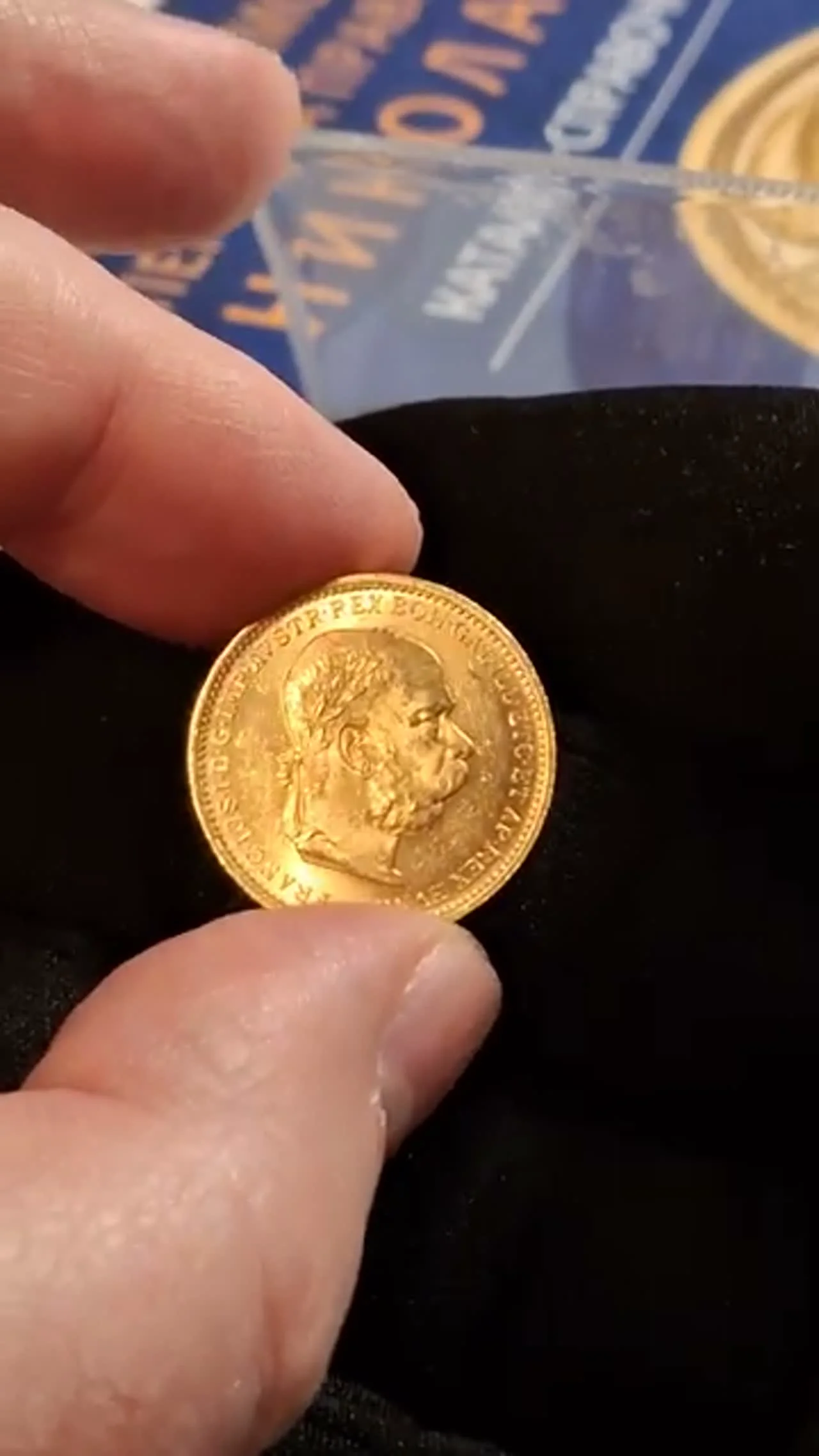
The specimen presented is a 20 Kronen gold coin from the Austro-Hungarian Empire. It depicts Franz Joseph I, one of Europe's longest-reigning monarchs, whose rule lasted for about 60 years.
During his reign, a multitude of coins were minted featuring various portraits of the emperor at different stages of his life, from his youth to his old age. The numismatics of this period are extremely diverse.
- Ducat
- 10 Kronen
- 20 Kronen
- Coins of Hungarian and Austrian types
- Transitional coins with dual denominations (e.g., 8 Forint / 20 Francs or 4 Forint / 10 Francs)
Specifications and Mintage of the 1896 Coin
| Parameter | Value |
| Year of minting | 1896 |
| Denomination | 20 Kronen |
| Metal | Gold |
| Fineness | 900 |
| Weight | 6.78 grams |
| Mintage | 6,867,570 pieces |
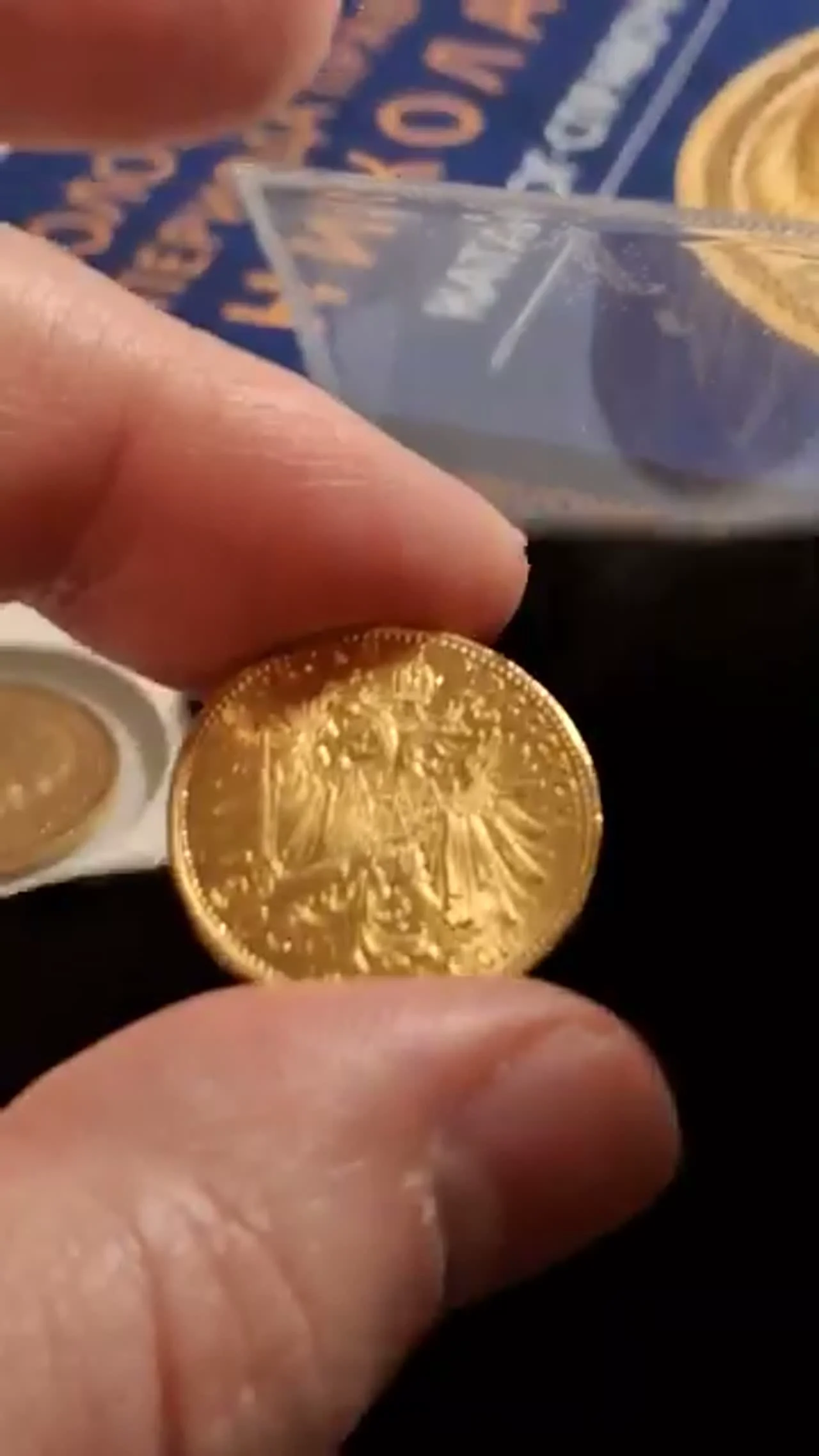
This specific specimen is a bright and impressive collectible coin with mint luster. It was minted in 1896 and has specific characteristics important for numismatists and investors in collectible gold coins.
It is believed that there were no restrikes for this year, so the stated mintage corresponds to the actual number of coins issued. Although this coin is not extremely rare, any original issue from the Austro-Hungarian era (excluding later mid-20th-century restrikes) holds collectible value.
Condition Assessment and Value
The value of an Austrian coin of this type depends on its preservation. This specimen was purchased for a price slightly above 800 euros, in the range of 820-830 euros. The coin has an incuse edge and a beautiful mint luster.
The condition of the reverse can be graded as MS-65, with minimal bag marks. The obverse (portrait side) is graded at MS-63 due to the presence of bag marks, which is normal for coins of this type. In professional grading, the final grade is typically based on the weaker side, which means a likely grade of MS-63, or MS-62 in the worst case.
Regardless of whether the coin is sent for grading, it is a wonderful addition to a collection dedicated to Austrian and Hungarian numismatics. This is a marvelous specimen that will only increase in value over time.