
Basics of Amber Classification
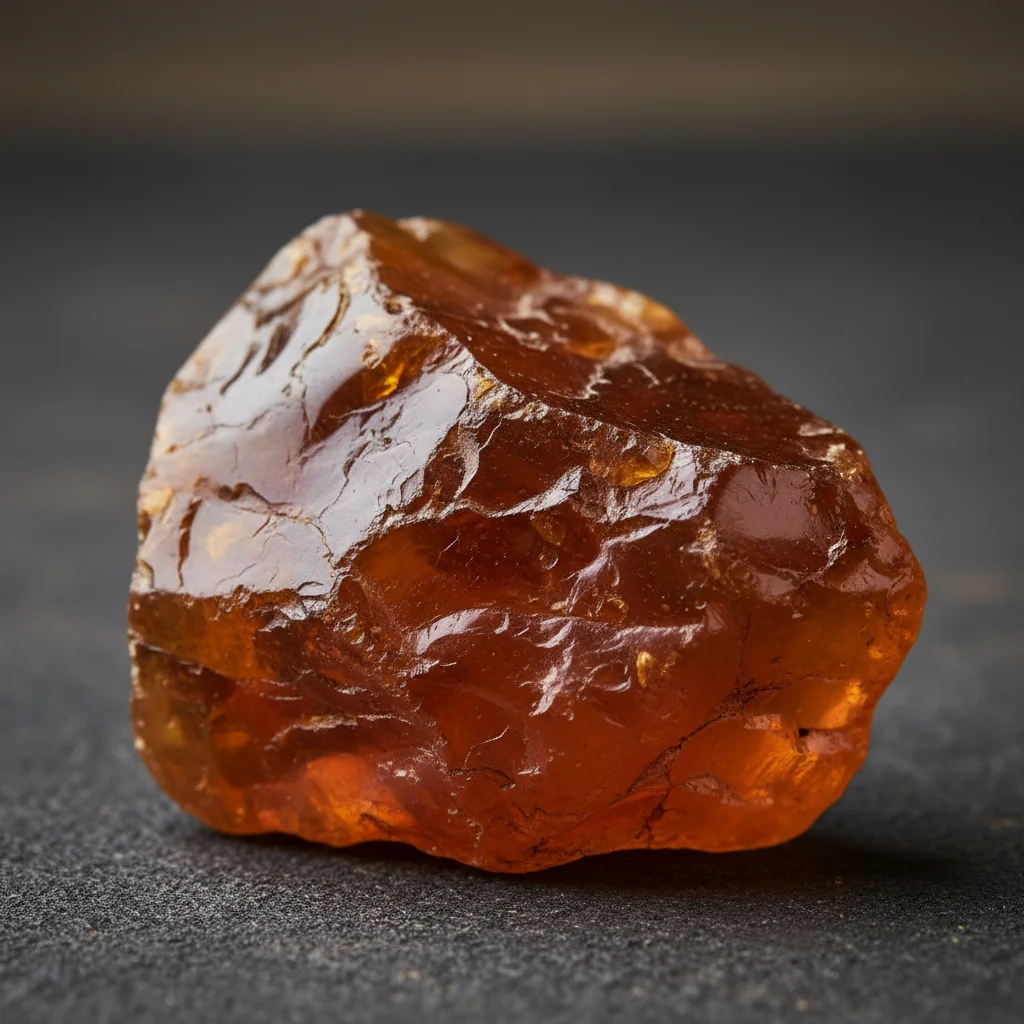
Amber, also known as 'sunstone,' is the fossilized resin of ancient coniferous trees. Its value and properties vary greatly depending on numerous factors that form the basis of its scientific and gemological classification. Understanding these criteria helps distinguish rare specimens from more common ones.
The main parameters for classifying amber are its origin, chemical composition, color, and degree of transparency. The geographical deposit directly affects the stone's age and physical properties, as the resin from different tree species solidified under various geological conditions.
- Origin (geographical deposit)
- Color (from milky white to almost black)
- Transparency (from completely transparent to opaque)
- Presence and type of inclusions
Baltic Amber (Succinite): Gold of the North
| Characteristic | Description |
| --- | --- |
| Scientific Name | Succinite |
| Age | 40-50 million years |
| Resin Source | Pinus succinifera |
| Key Feature | High content of succinic acid (3-8%) |
| Main Colors | Yellow, honey, cognac, milky |
Baltic amber, or succinite, is the most famous and widespread type in the world. Its age is estimated at 40-50 million years. This amber was formed from the resin of an extinct pine species, Pinus succinifera, which gave it its scientific name. The main distinguishing feature of succinite is its high concentration of succinic acid (from 3 to 8%), which gives it unique properties.
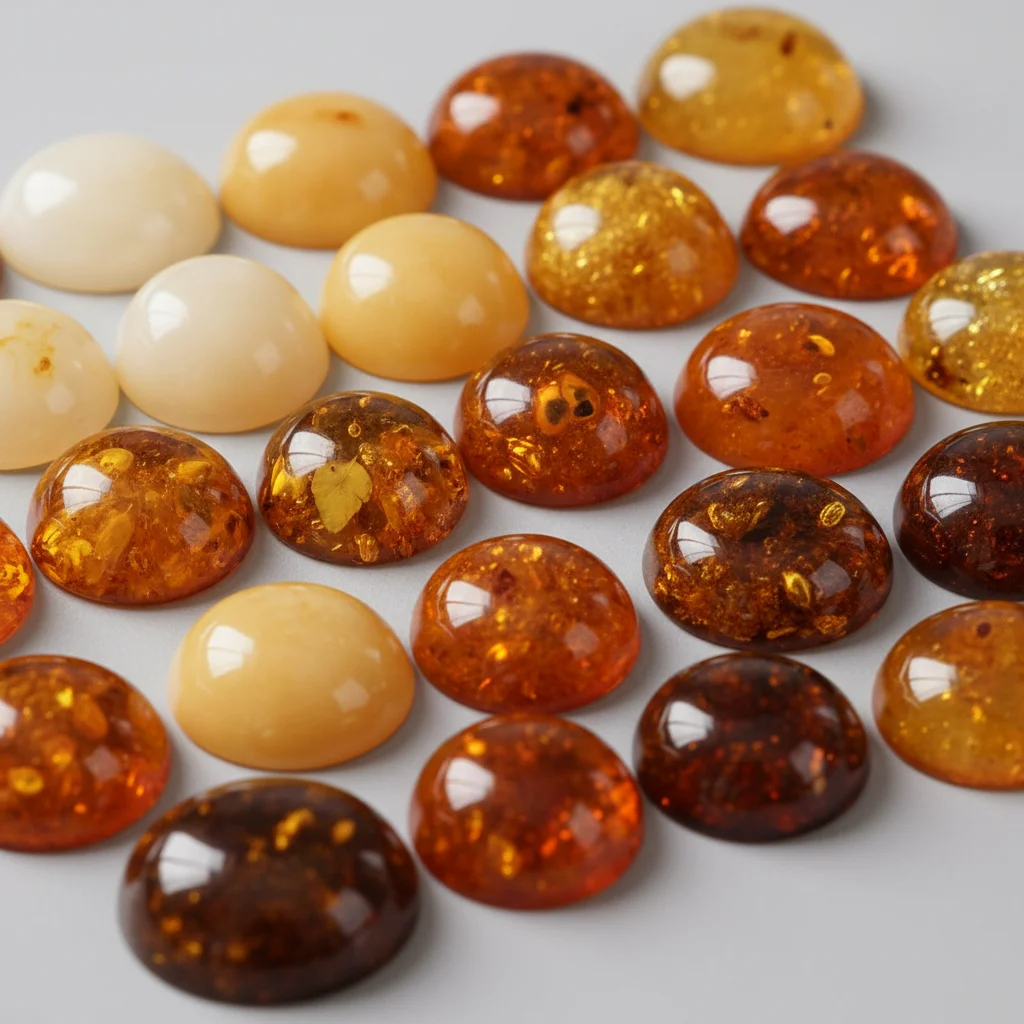
Baltic amber is famous for its rich variety of shades, from light yellow and honey to cognac and cherry. This type is most often used in the jewelry industry. Its main deposits are located on the coast of the Baltic Sea, particularly in the Kaliningrad Oblast of Russia, Poland, Lithuania, and Germany.
Dominican Amber: A Treasure with Rare Inclusions
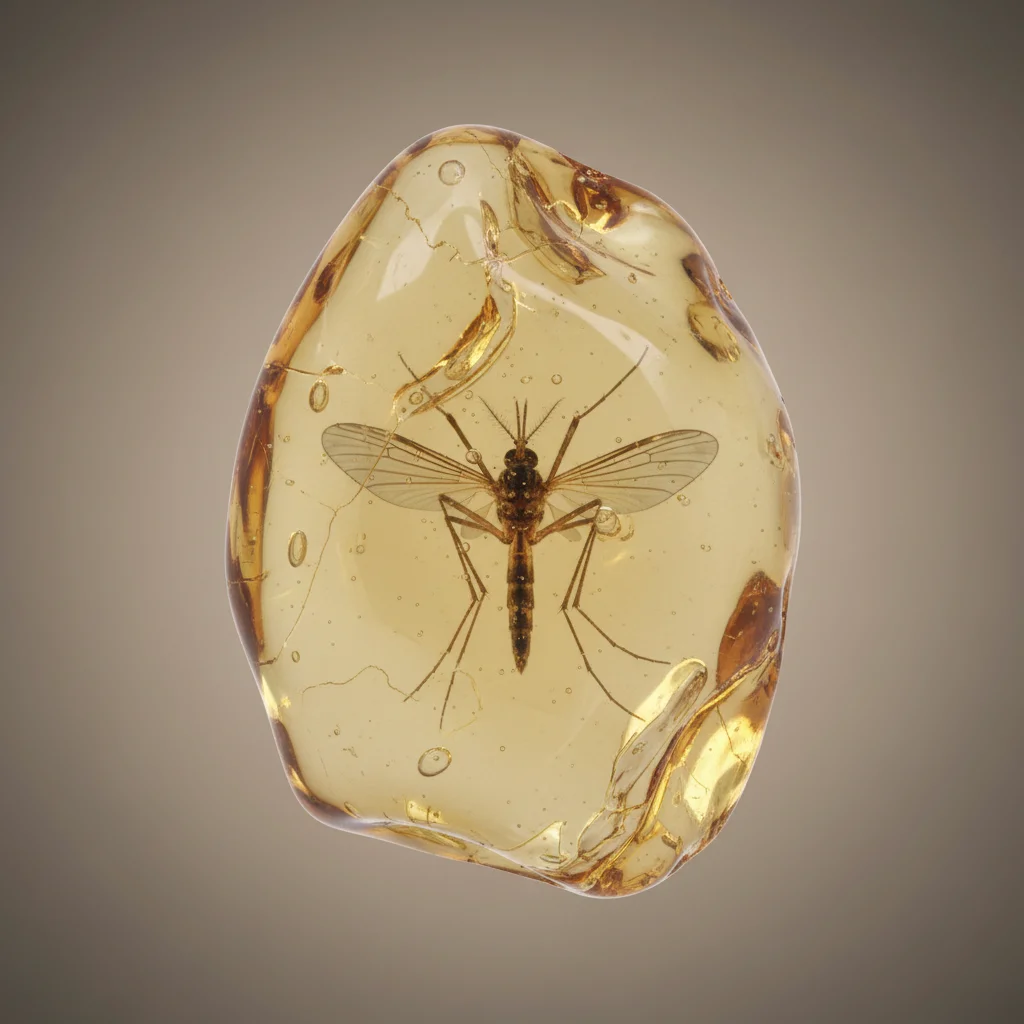
Dominican amber is significantly younger than Baltic amber, with an age of 15 to 25 million years. It was formed from the resin of the fossilized leguminous tree Hymenaea protera. This type of amber is highly valued by collectors for its exceptional transparency and incredible variety of biological inclusions.
It is in Dominican amber that perfectly preserved insects, lizards, frogs, and even small feathers are found. Such specimens have enormous scientific and collectible value. The rarest and most expensive variety is blue Dominican amber, which acquires a blue glow under ultraviolet light due to the presence of aromatic hydrocarbons.
Mexican, Burmese, and Other Types of Amber
Besides Baltic and Dominican amber, there are several other significant types of amber in the world, each with its own characteristics. They are less common but are of great interest to connoisseurs and collectors.
- Mexican amber: Similar in age and origin to Dominican amber (25-30 million years, Hymenaea tree). Often found in the state of Chiapas. A characteristic feature is its fluorescence in greenish-blue tones.
- Burmese amber (Burmite): One of the oldest types of amber, its age reaches 99 million years (Cretaceous period). It contains unique inclusions from the time of the dinosaurs. It is harder than other types.
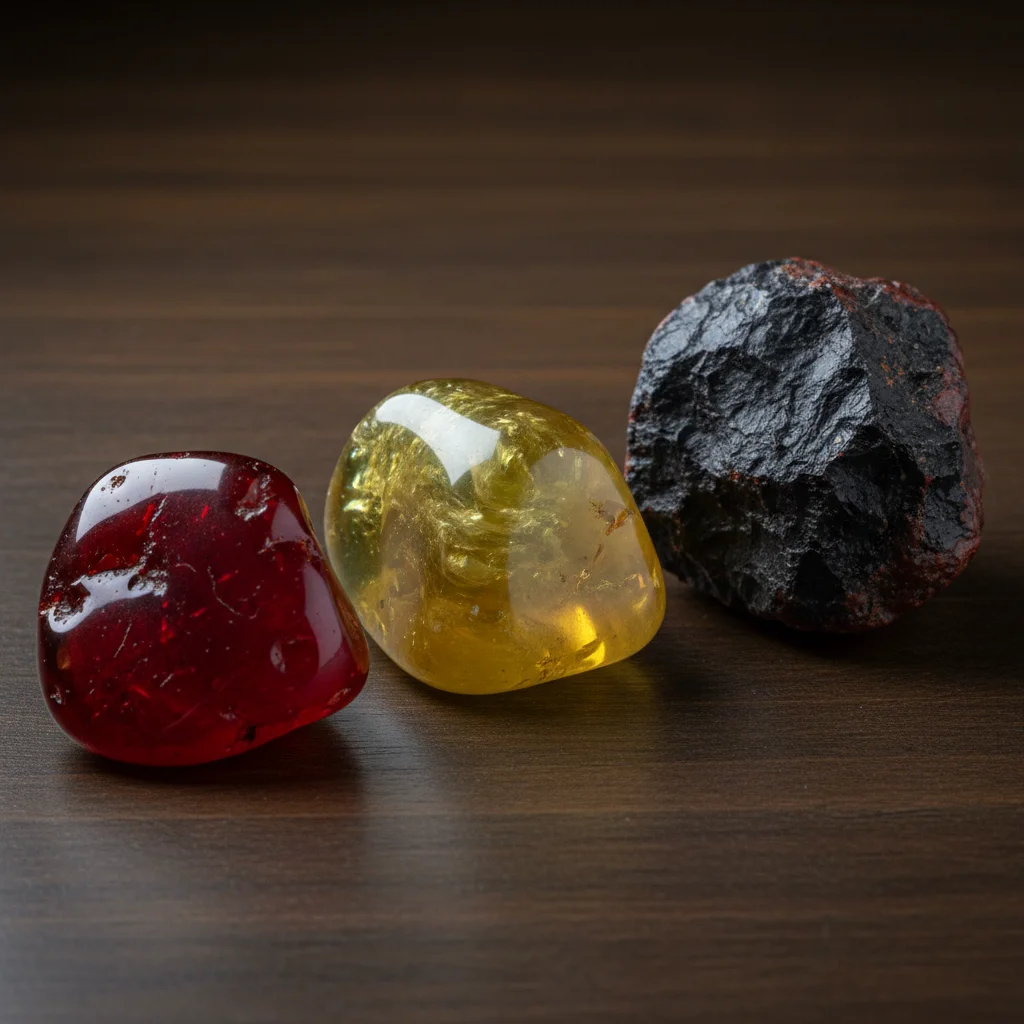
- Romanian amber (Rumanite): Known for its dark shades—from reddish-brown to almost black. It has strong fluorescence.
- Sicilian amber (Simetite): Valued for its bright, fiery shades of red and orange. It is quite rare.
Quality Assessment Criteria for Collectors
The value of amber for a collector is determined by a combination of several key factors. Knowledge of these criteria allows for the correct assessment of a specimen and a profitable investment. The largest stone is not always the most expensive.
Assessing the quality of amber is a complex process that requires attention to detail. The most valuable specimens are those with rare characteristics, such as unique inclusions or unusual colors, while maintaining their natural origin and minimal processing.
- Origin. Baltic and especially Dominican amber are valued more highly than many other types. Rare deposits, like those in Burma, also increase the value.
- Color and transparency. Rare colors (blue, green, red) and high transparency (so-called 'royal amber') are most valued.
- Presence of inclusions. Specimens with well-preserved inclusions (insects, plants, vertebrates) can be worth tens or even hundreds of times more than ordinary stones.
- Size and weight. Large, solid pieces of amber are rare and highly valued, especially if they have other positive characteristics.
- Absence of treatment. Natural, untreated amber (not pressed, not heated) is valued much more by collectors than enhanced specimens.