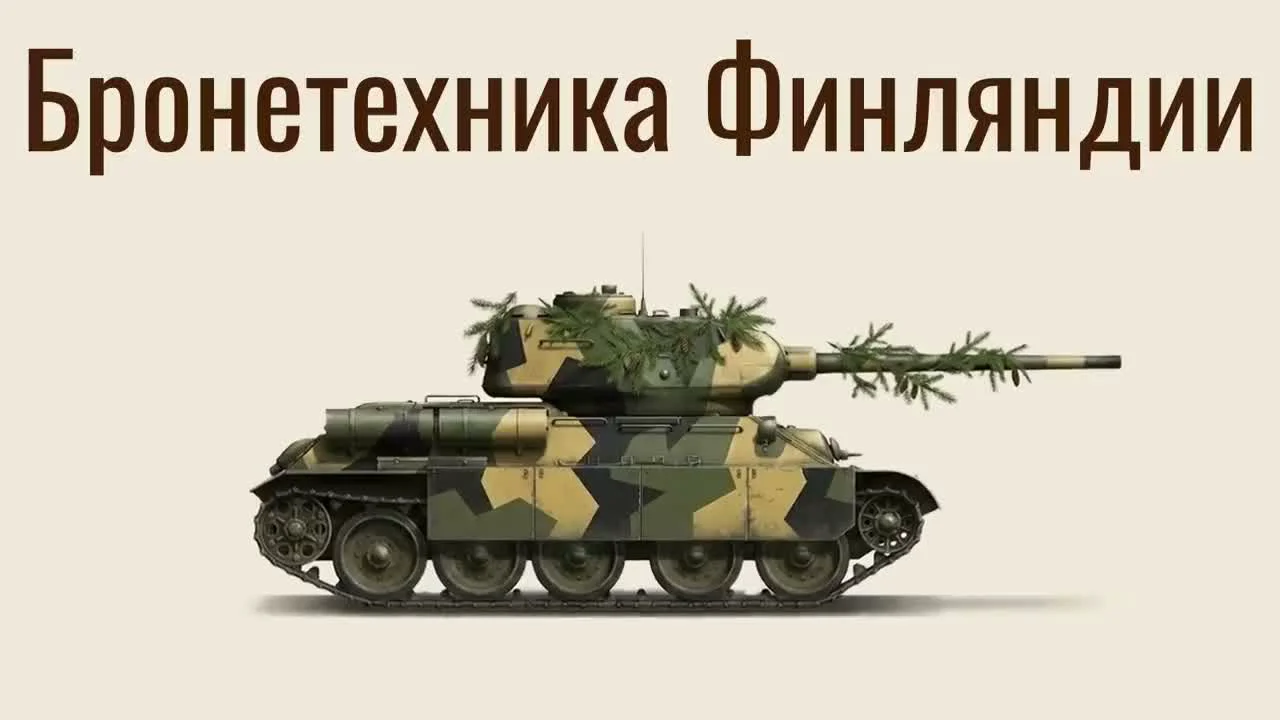

Ingenuity in Times of Scarcity
The history of Finnish armored vehicles during World War II is a story of ingenuity amidst a severe shortage of resources. Lacking a developed tank industry, the Finnish army faced superior forces, relying on obsolete tanks and, to a greater extent, on captured equipment.
During the Winter War and the Continuation War, over 400 units of Soviet armored vehicles were captured and repurposed. Finnish tankers used everything they could get or adapt—from British Vickers tanks to unique homemade designs, making their tank fleet one of the most diverse of that period.
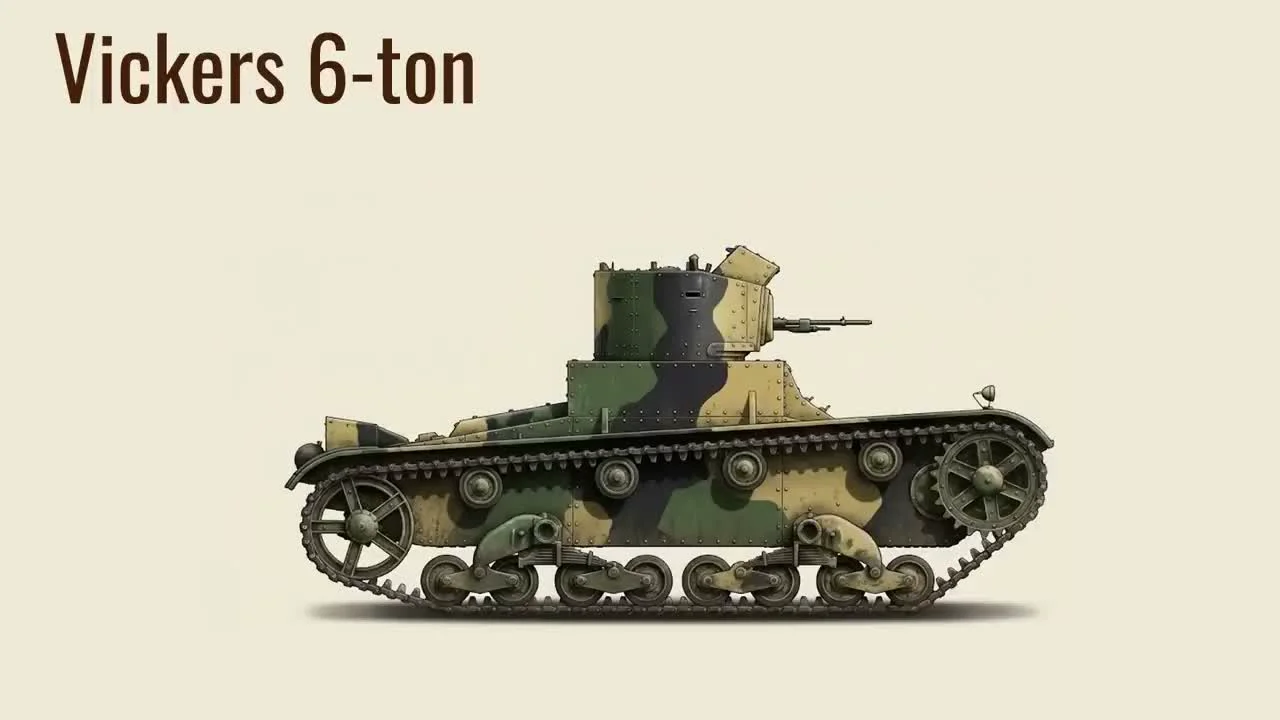
The Pre-War Fleet's Foundation: Vickers 6-ton
| Characteristic | Value |
| --- | --- |
| Country of Origin | Great Britain |
| Quantity in the Finnish Army | 32 units |
| Main Armament | 37mm Bofors gun |
| Secondary Armament | Coaxial machine guns |
| Service Period | until 1944 |
The main pre-war tank of the Finnish army was the British Vickers 6-ton. In 1938, 32 of these vehicles were purchased. These light tanks formed the backbone of the armored forces during the Winter War and remained in service until 1944.
Despite their significance in the initial phase, by the middle of the war, the Vickers 6-ton was hopelessly obsolete. They could not effectively counter more modern Soviet tanks like the T-34 and KV-1 due to their weak armament and armor.
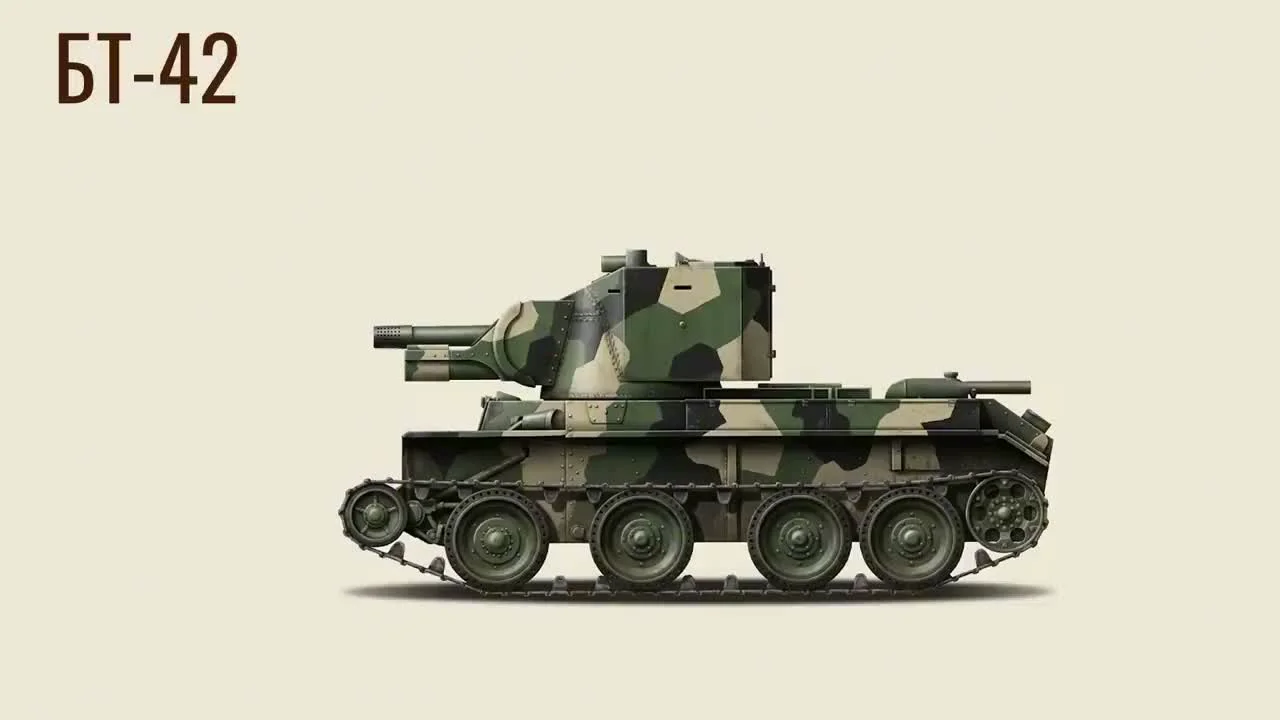
BT-42: A Desperate Conversion of a Captured Tank
One of the most famous and desperate Finnish modifications was the BT-42 assault gun. To create it, 18 captured Soviet BT-7 light tanks were used. The standard turrets were replaced with new, larger ones, which housed 114mm British howitzers from World War I.
The primary task of the BT-42 was to combat fortifications. However, the vehicle turned out to be cumbersome, unreliable, and had a tall, vulnerable silhouette. In the battle near Vyborg in 1944, these assault guns could not effectively engage Soviet T-34s, and most of them were lost.
The only surviving example of the BT-42 is now in the Parola Tank Museum, a reminder of this unique engineering improvisation.
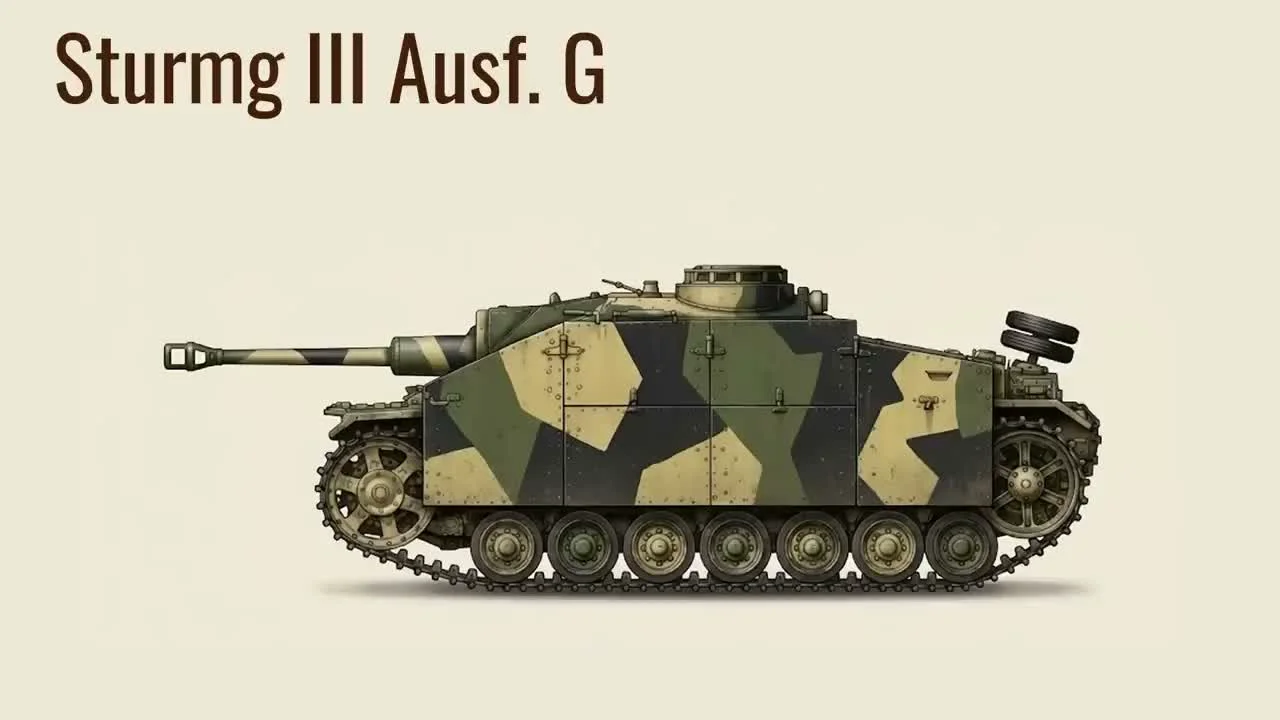
German Aid: StuG III and Panzer IV
A crucial contribution from Germany to the Finnish armored forces was the delivery of StuG III Ausf. G assault guns. In 1943, Finland received 59 of these vehicles. Thanks to their low silhouette, reliability, and powerful gun, they proved to be extremely effective in defensive battles, replacing the failed BT-42.
In 1944, the Finnish army received 15 Panzer IV tanks. These vehicles became the most capable tanks Finland ever possessed. They were armed with a long-barreled 75mm gun and protected by 80mm of frontal armor, allowing them to fight on equal terms with the T-34. However, they arrived too late to significantly influence the outcome of the war.
Massive Soviet Trophies: From the T-26 to the BT Series
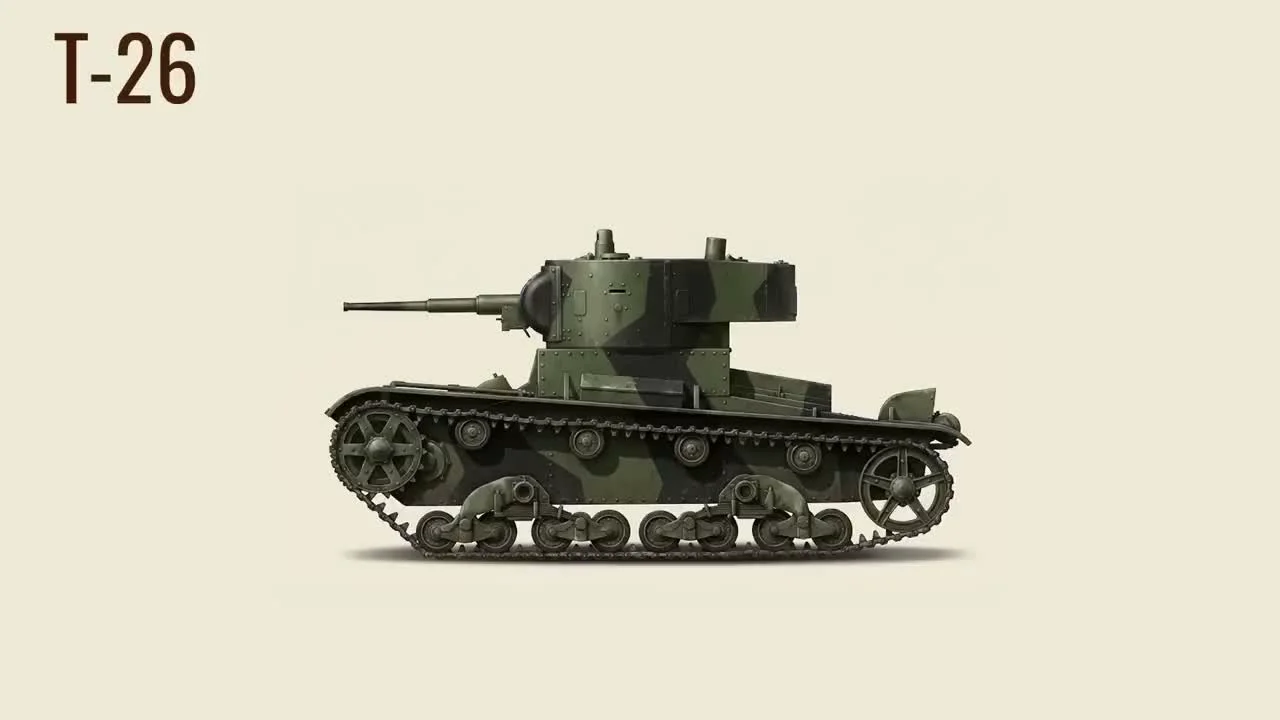
The most numerous captured tank in Finnish service was the Soviet T-26 light tank. During the Winter War alone, over 200 of these vehicles were captured. Despite its vulnerability to anti-tank weapons, the T-26 became the main tank of the Finnish army after its capture.
- BT-5. An early model, captured in limited numbers. It was mainly used for reconnaissance.
- BT-7. An improved version with more powerful armament. Finland captured about 56 of these tanks, 18 of which were converted into BT-42 assault guns, while the rest served as light tanks.
Rare and Heavy Trophies: T-50, KV-1, and T-28
In addition to common models, rarer examples also fell into Finnish hands. For instance, the Soviet T-50 light tank, intended to replace the T-26. It had excellent armor protection for its class, but due to limited Soviet production, only single units were captured.
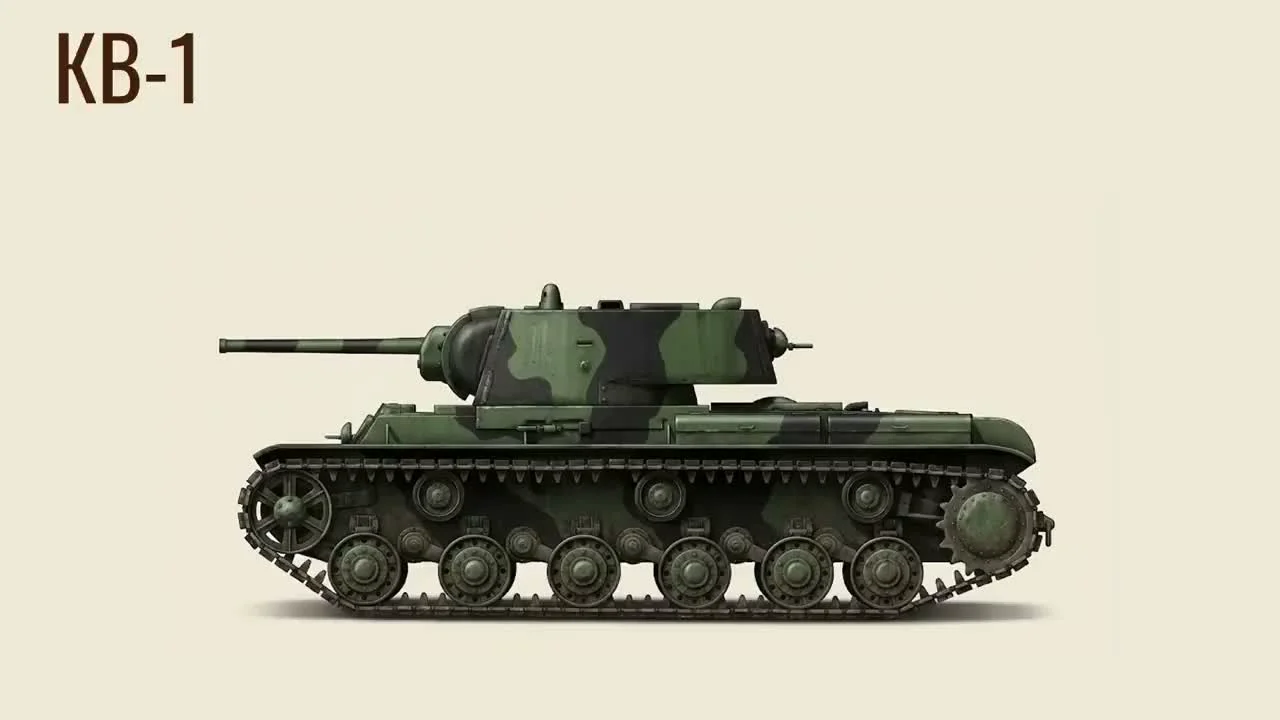
The KV-1 heavy tank, with its virtually impenetrable armor, was a shock to Finnish troops. The few captured vehicles proved to be a maintenance nightmare. Their immense weight of 47 tons destroyed Finnish bridges, so they were used sparingly, mainly in stationary defensive positions.
Seven three-turreted T-28 medium tanks were also captured. Despite their outdated design, they possessed valuable firepower thanks to their 76mm gun.
Armored Cars and Support Vehicles
Armored cars played an important role in reconnaissance, patrolling, and communication tasks. The Finnish army actively used numerous captured Soviet models.
- BA-6 and BA-10: Heavy armored cars with a T-26 tank turret and a 45mm gun. They had good firepower but poor off-road mobility.
- BA-20, FAI, and FAI-M: Light armored cars with machine gun armament. Numerous captured units were used for communication, patrolling, and training due to their simple mechanics.
Besides combat vehicles, the Finns also captured support equipment, such as A-20 artillery tractors. These vehicles were essential for maintaining artillery mobility and supplemented Finnish logistics.

