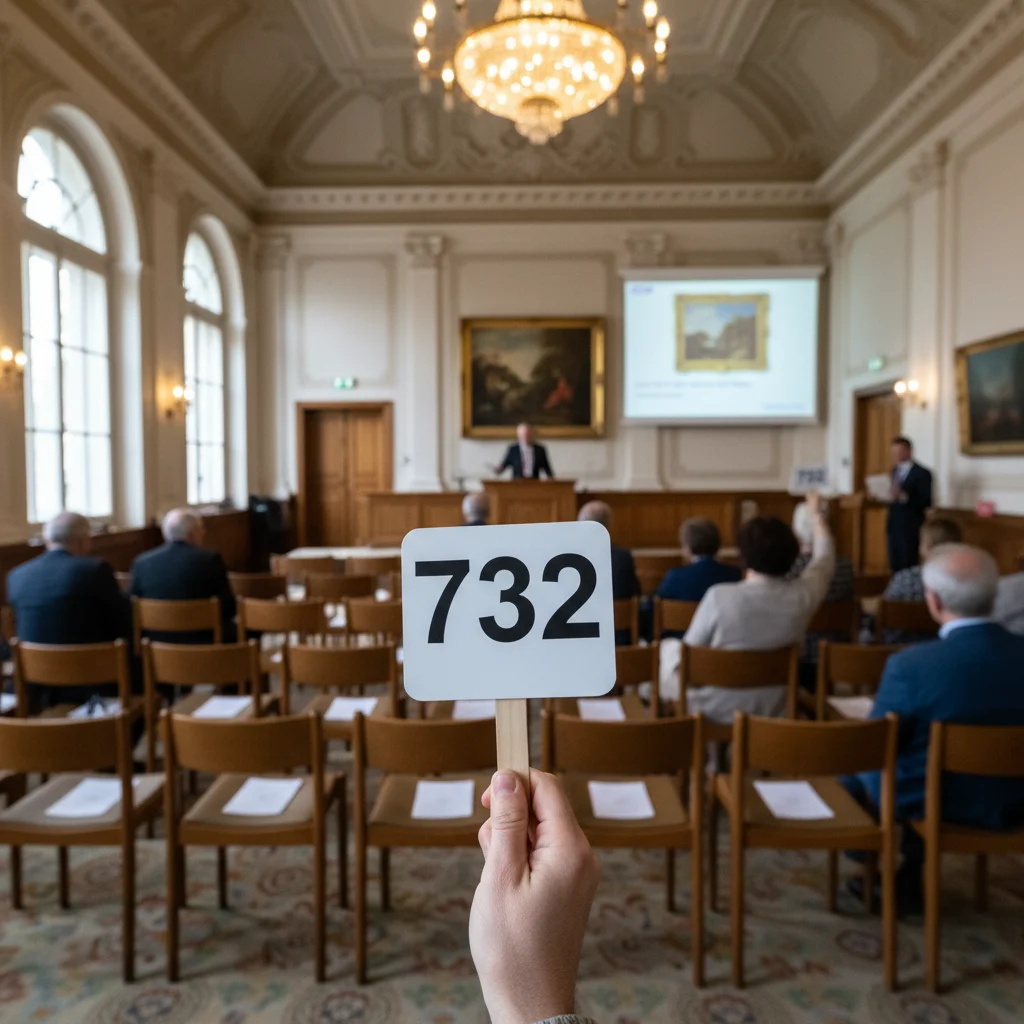

Introduction: Unexpected Commissions at Auctions
Many people, both buyers and sellers, are often surprised when they see the final price of a lot at auction. The price they expected can differ significantly from the final amount due to various auction fees and commissions that not everyone knows about in advance.
This practice has historical roots. Since 1975, leading auction houses like Christie's and Sotheby's began charging a commission not only to the seller, as was previously the case, but also to the buyer. Thus, the financial burden is distributed between both parties of the transaction.
Sellers often hope to receive the full amount for which their item was sold "under the hammer," but in reality, their proceeds are lower. It's important to understand all the nuances and hidden fees to determine whether it's worthwhile to sell your items through an auction at all.
Commission Fee: The Main Service Charge
| Term | Description |
| Hammer Price | The final price fixed by the fall of the auctioneer's hammer, excluding any additional fees and commissions. |
The main and most obvious expense when working with an auction house is the commission fee. It is charged to both the buyer and the seller, but at different rates.
- For the buyer: The commission is approximately 25-30% on top of the price for which the lot was sold. This amount is added to the final bid.
- For the seller: A commission of 15-25% is deducted from the final sale price, known as the "hammer price." This amount is kept by the auction house as payment for its services.
To better understand the terminology, it is worth grasping the key concept.
Thus, the seller receives the amount minus this fee, which significantly affects the final profit from the sale.

Catalog and Insurance Fees: The First Hidden Costs
In addition to the main commission fee, there are other payments that sellers often forget about. These include the catalog publication fee and item insurance.
Before the auction begins, a printed and online catalog with all the lots is released. A separate fee is charged for featuring your item in this catalog. Depending on the auction house, this amount can range from 100 to 350 euros. If your item is featured on the catalog cover, the cost will be even higher.
Additionally, all items put up for auction are subject to mandatory insurance against damage, theft, or loss. The insurance costs are also borne by the seller and amount to approximately 1-1.5% of the low estimate of the lot. For example, if an item is estimated with a starting bid of 1000 euros, the insurance will be calculated based on this amount.

Copyright Tax and Transportation Costs
The list of additional costs for the seller includes a few more important items. One of them is the artist's resale right royalty, and another is logistics expenses.
The following types of fees exist:
- Artist's Resale Right Royalty (Droit de Suite). This tax applies if you are selling a work of art, such as a painting, and its creator is still alive. The fee is 4% of the sale price and is intended to support the artist's rights. In Germany, the maximum amount for this tax is capped at 12,500 euros.
- Transportation costs. The seller is fully responsible for paying for the delivery of their item to the auction house. Moreover, if the lot is not sold, the costs of its return transportation must also be covered out of pocket.

Expertise and Restoration: Preparing for Sale
Before an item goes to auction, the auction house may require an expert appraisal and, if necessary, restoration. These services are also paid for by the seller.
While it was once possible to get a preliminary appraisal for free, the situation has now changed. A fee is charged for conducting an expert examination, obtaining a certificate of authenticity, and attribution (establishing authorship). Depending on the complexity of the item, the cost of such services can range from 500 to 2,500 euros.
Furthermore, for a successful sale, the item must be in good marketable condition. If an item requires cleaning or restoration, the auction house will arrange for this work, but all expenses will be included in the final invoice for the seller. This is an important point, as the presentable appearance of a lot directly affects its attractiveness to buyers.

"Success Tax" and the Seller's Final Profit
Some auction houses apply a so-called "success tax." To attract more participants, they might set a low starting price, for example, 1,000 euros. If, during the bidding, the price significantly exceeds expectations and reaches, say, 15,000 euros, the auction house may take an additional percentage (e.g., 2%) on the amount exceeding the initial estimate. This is a kind of bonus for excess profit.
Let's look at a clear example. Suppose your item was sold for 50,000 euros. The buyer, including their 30% commission, will pay 65,000 euros for it. You, as the seller, after deducting your 20% commission, will receive only 40,000 euros. In the end, the auction house earns 25,000 euros from this transaction—15,000 from the buyer and 10,000 from the seller, which amounts to 50% of the "hammer price."

When is Selling Through an Auction Profitable?
Selling through an auction doesn't always make sense. This method is primarily beneficial for expensive, specific, and themed items. For example, a rare coin is best sold through a numismatic auction, which has its own database of collectors specifically interested in such lots.
However, if you have an item of average value, a so-called "bits and bobs," dealing with an auction is not profitable due to high fees. In such cases, it is much easier and more profitable to use online platforms like eBay, "Meshok," or "Violity," where the commission is significantly lower, around 12%.
The main rule of the antiques business is that the success of a deal is determined at the purchasing stage. If you acquire an exclusive item at a low price, you will be the one to dictate the terms. Such an item will be of interest to auction houses, antique shops, and collectors on specialized forums.
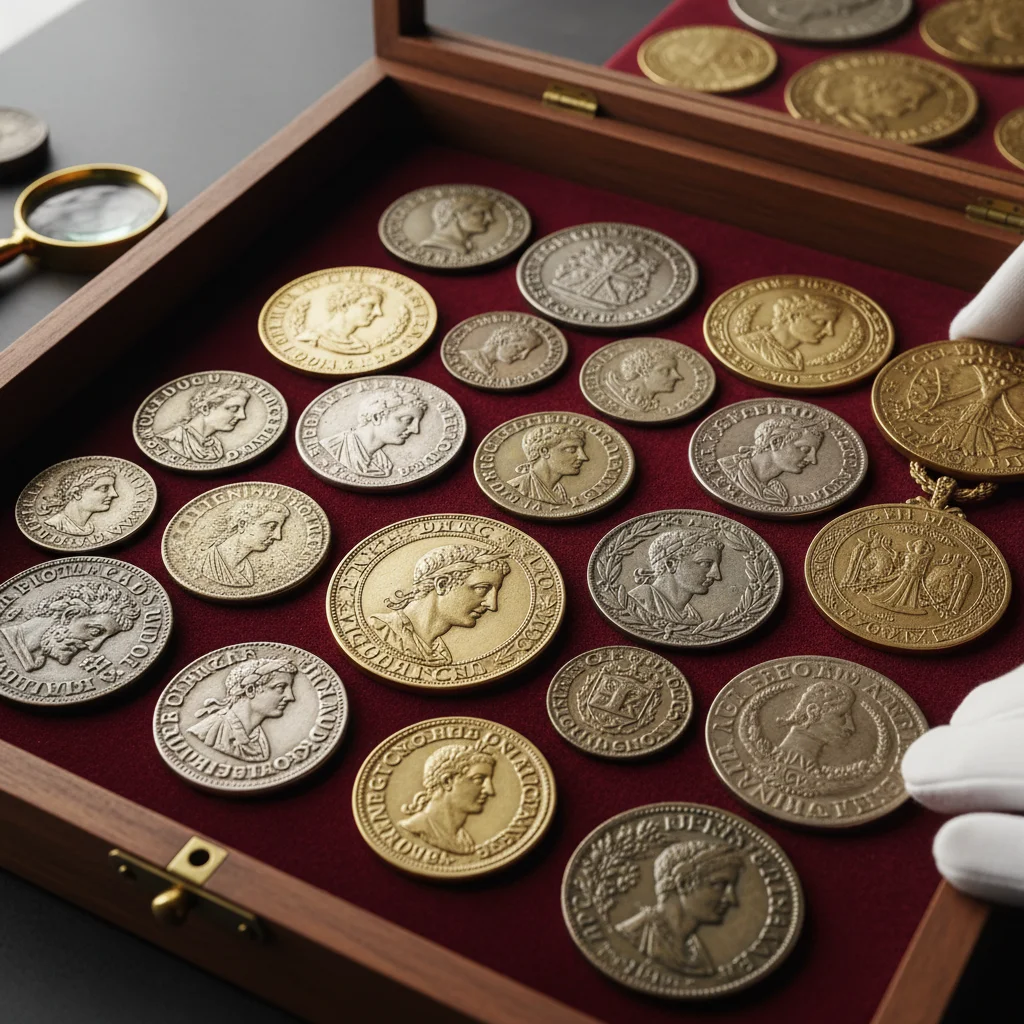
The Selling Process and Non-Obvious Aspects of Auctions
The process of selling an item through an auction consists of several stages. First, you submit an application with photographs, then experts conduct an appraisal and determine a starting price. After all conditions are agreed upon, a contract is signed, and the lot is put up for auction. In case of a successful sale, the money is transferred to your account.
However, there are also "pitfalls" in the auction trade. For example, there is a practice where the seller or their associates artificially inflate the price of their own lot by participating in the bidding. Sometimes, the auction house owners themselves engage in this. Auctions can also be used to legitimize items with a "gray" origin: after being sold and mentioned in a catalog, the item gains an official history (provenance).
Before consigning your antiques to an auction, be sure to study all the terms and conditions outlined in the catalog or on the auction house's website. By weighing all potential costs, you can make an informed decision about the feasibility of such a sale.