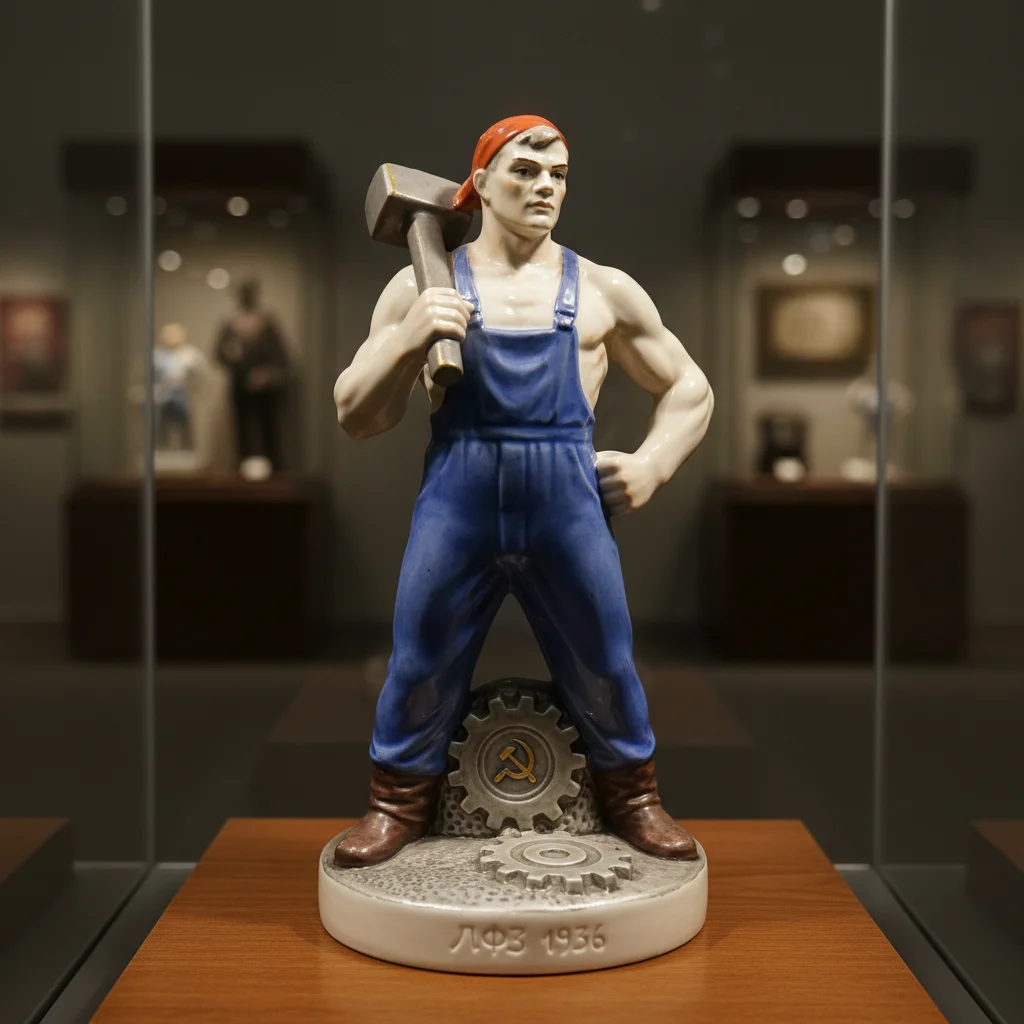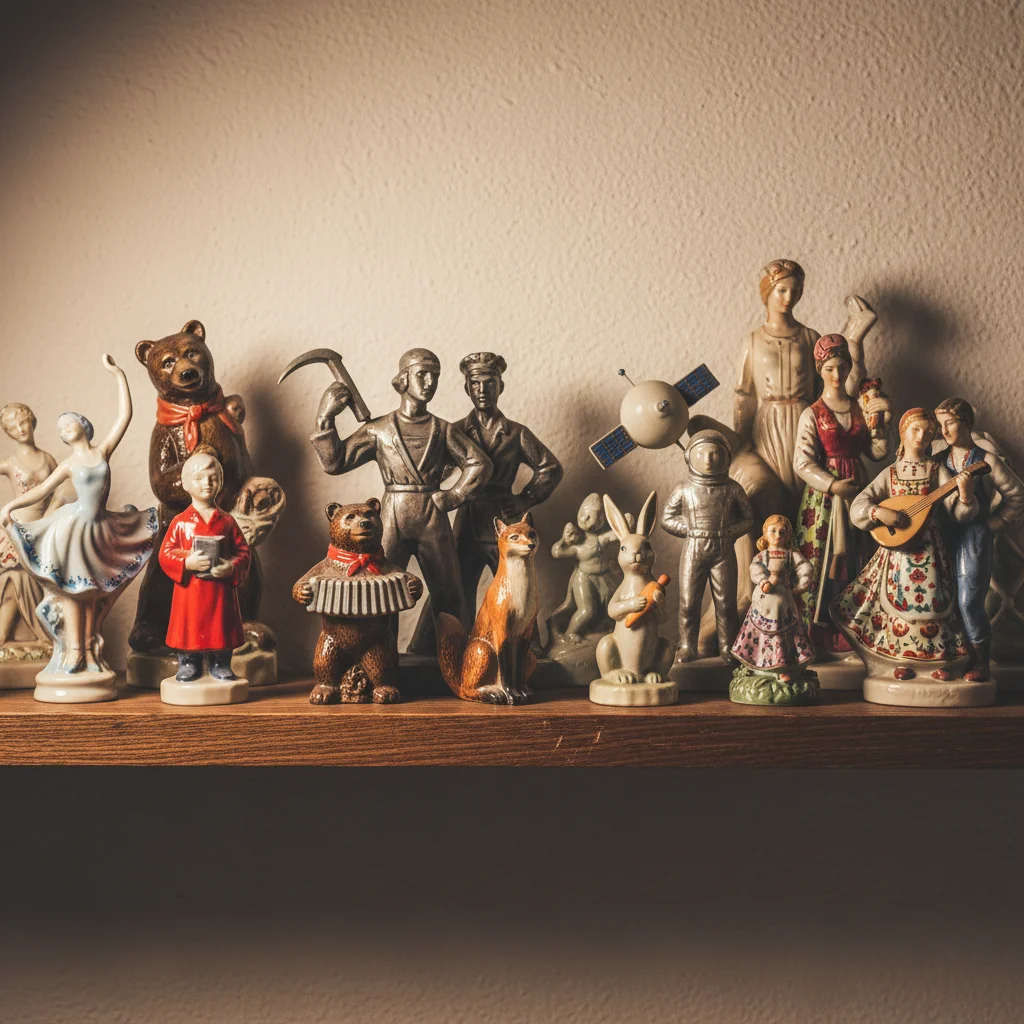

The Phenomenon of Soviet Porcelain: From Sideboard to Auction
Once, porcelain figurines and dinner sets were found in almost every Soviet home, decorating sideboard shelves and considered a sign of prosperity. Today, these items have become objects of desire for collectors, and prices for rare pieces at Christie's and Sotheby's auctions can reach tens of thousands of dollars.
This phenomenon is easily explained: Soviet porcelain is not just tableware or decor. It is a tangible reflection of an entire era, its ideology, hopes, and daily life. Each figurine or plate carries the imprint of its time, whether it's the revolutionary fervor of the 20s or the quiet family happiness of the 60s.
Agitprop Porcelain: Art in the Service of the Revolution
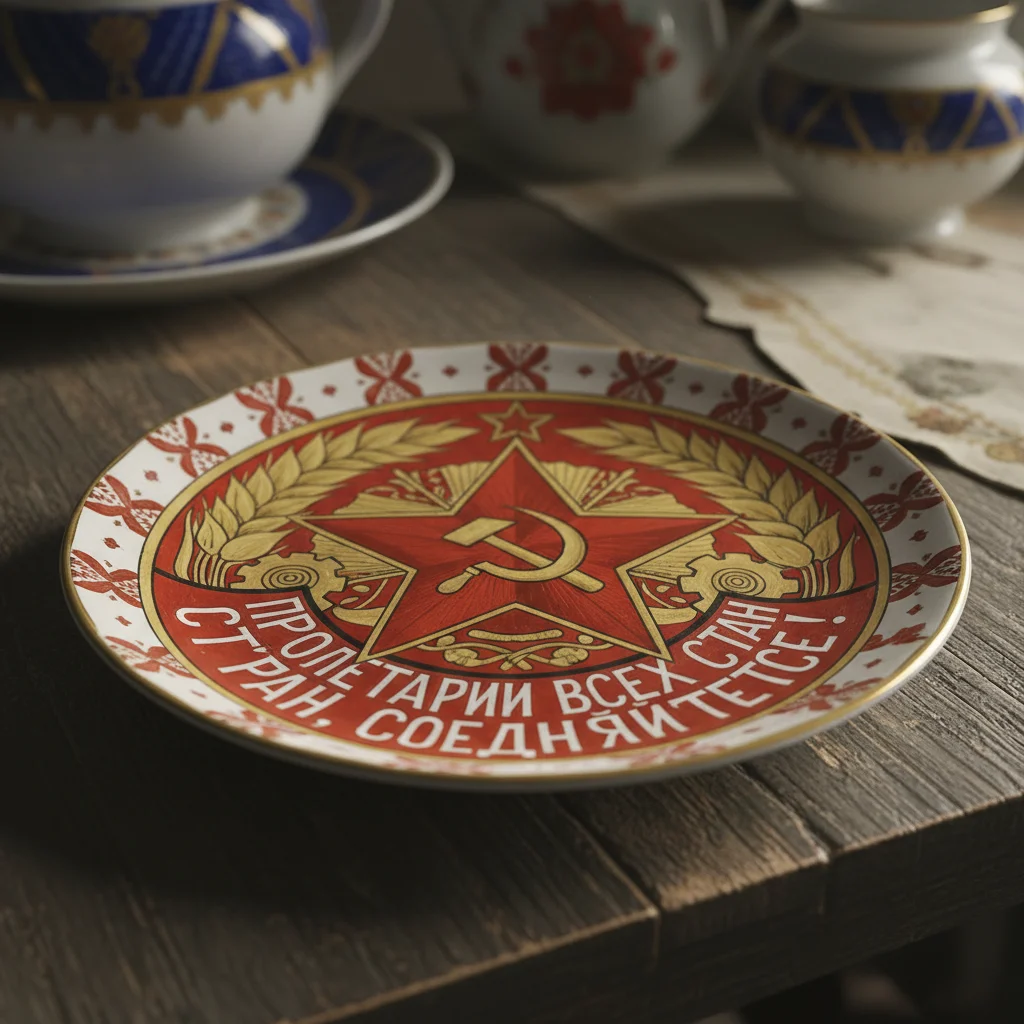
The history of collectible Soviet porcelain began in the 1920s with a unique phenomenon—propaganda porcelain. After the revolution, the Bolsheviks realized that art could be a powerful tool for propaganda. The former Imperial Porcelain Factory (later the LFZ) was repurposed to produce items with revolutionary slogans and symbols.
On plates, cups, and dishes once intended for the tsarist court, bold Suprematist and Constructivist compositions appeared. Artists like Sergei Chekhonin and Alexandra Shchekotikhina-Pototskaya created vibrant images of a new world. These items were adorned with slogans that are now symbols of the era:
- "He who does not work, neither shall he eat"
- "Land to the Toilers"
- "There will be no end to the kingdom of workers and peasants"
It is precisely this propaganda porcelain that is one of the most expensive and sought-after areas of collecting today.
The Golden Age of Figurines: A Happy Soviet Childhood
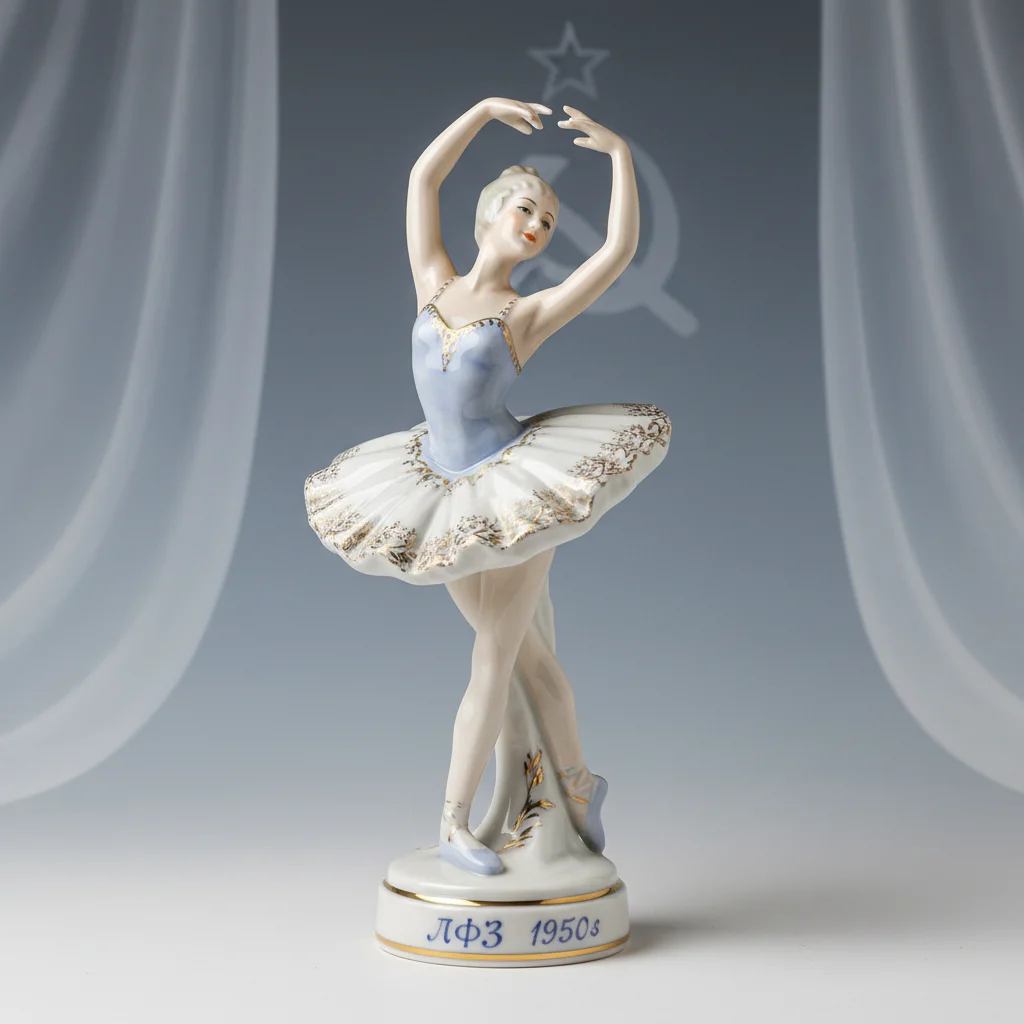
The post-war period, especially the 1950s and 60s, became the 'golden age' for small-form Soviet porcelain sculpture. The propagandistic fervor was replaced by idyllic and touching scenes from peaceful life. Factories mass-produced figurines depicting happy children, pioneers, athletes, as well as heroes from folk tales and literary works.
These charming figurines reflected the official ideological course towards building a happy society. They were meant to bring a sense of stability, joy, and faith in a bright future into the home. Today, collectors value them for their sincerity, high quality of craftsmanship, and the nostalgic atmosphere they create.
A Guide to Factories and Marks: How to Identify a Treasure
| Factory | City | Mark Feature | Famous Products |
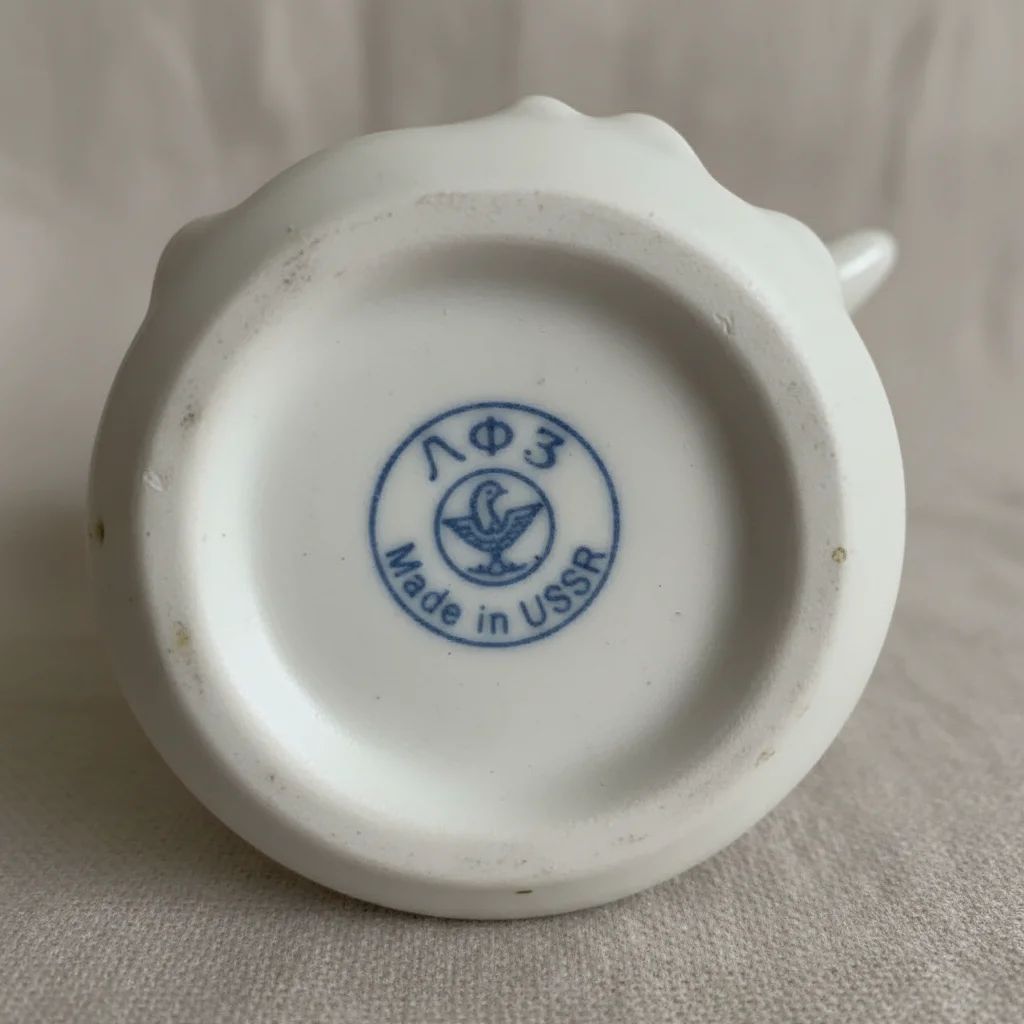
| LFZ (Leningrad Porcelain Factory) | Leningrad | Blue or red 'ЛФЗ' mark | Propaganda porcelain, 'Happy Childhood' series, animal figures |
| Dulevo Porcelain Factory | Likino-Dulyovo | Image of a falcon | Bright 'agashka' painting, genre figurines |
| Konakovo Faience Factory (ZiK) | Konakovo | Green mark with a moose or 'ЗиК' | Faience items, animal sculpture |
| Gzhel Porcelain Factory | Gzhel | Blue cobalt painting, 'Гжель' inscription | Traditional blue and white tableware and sculpture |
For any collector, determining the authenticity and origin of an item is crucial. The main aid in this is the mark on the bottom of the piece. It can tell you about the manufacturer, the time of creation, and even the grade of the porcelain.
Several dozen porcelain and faience factories operated in the USSR, but every collector has their favorites. Knowledge of key manufacturers and their markings is the foundation for successful collecting.
Careful examination of the mark will not only help distinguish an original from a fake but also determine the value of the find. A red mark on LFZ products, for example, was usually placed on items of the highest grade, which increases their value.
The Rarest and Most Expensive Sculptures
The value of Soviet porcelain is determined by several factors: rarity, artist, condition, and historical significance. Some figurines, produced in limited editions or discontinued, are worth a fortune today.
Among the most coveted lots for collectors, several iconic works stand out:
- Figurines from the 1920s-30s: especially propaganda pieces created by leading LFZ sculptors like Natalya Danko.
- Multi-figure compositions: complex in execution, they were produced in small batches. An example is 'Discussion of the Stalin Constitution' from the Dulevo factory.
- Figurines from the 'Peoples of Russia' series: early editions of this series are very rare and valuable.
- Experimental and exhibition pieces: these items exist in single copies and rarely appear on the open market.
Pristine condition without chips, cracks, or restoration is a mandatory requirement for a high price. Even a minor defect can reduce the value of a rarity several times over.