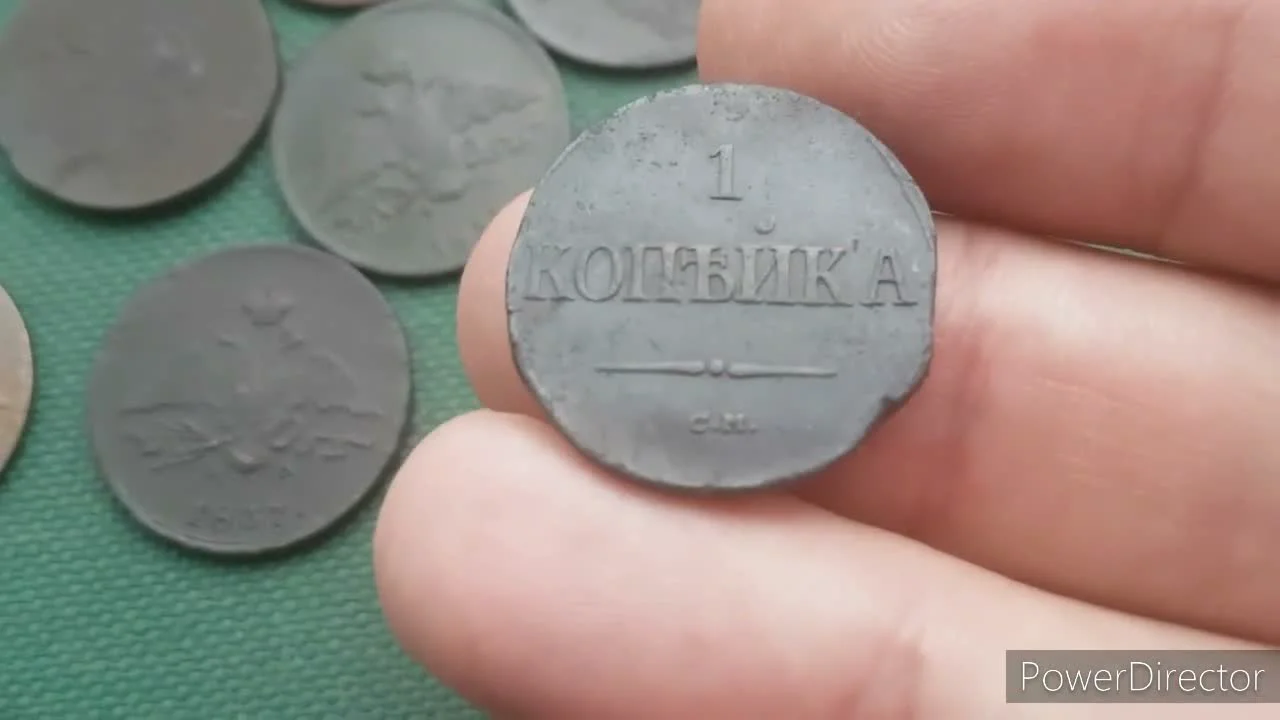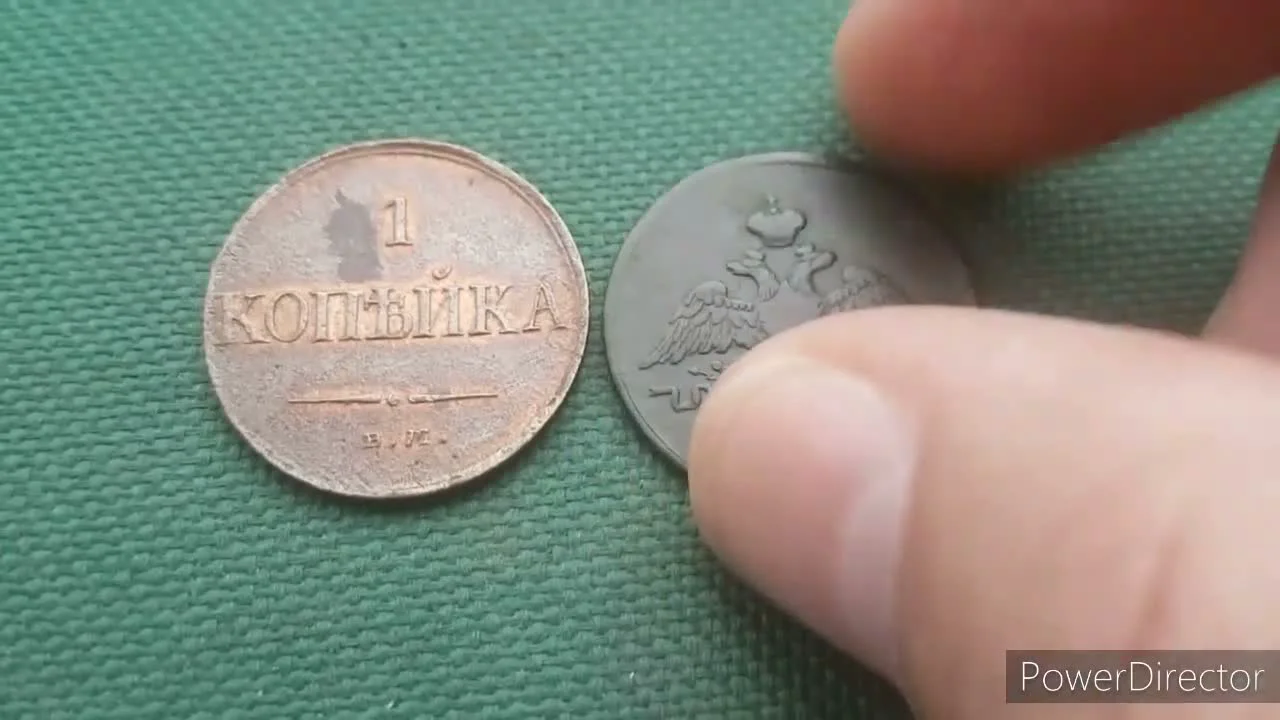

Nicholas I's Kopek with Wings Down
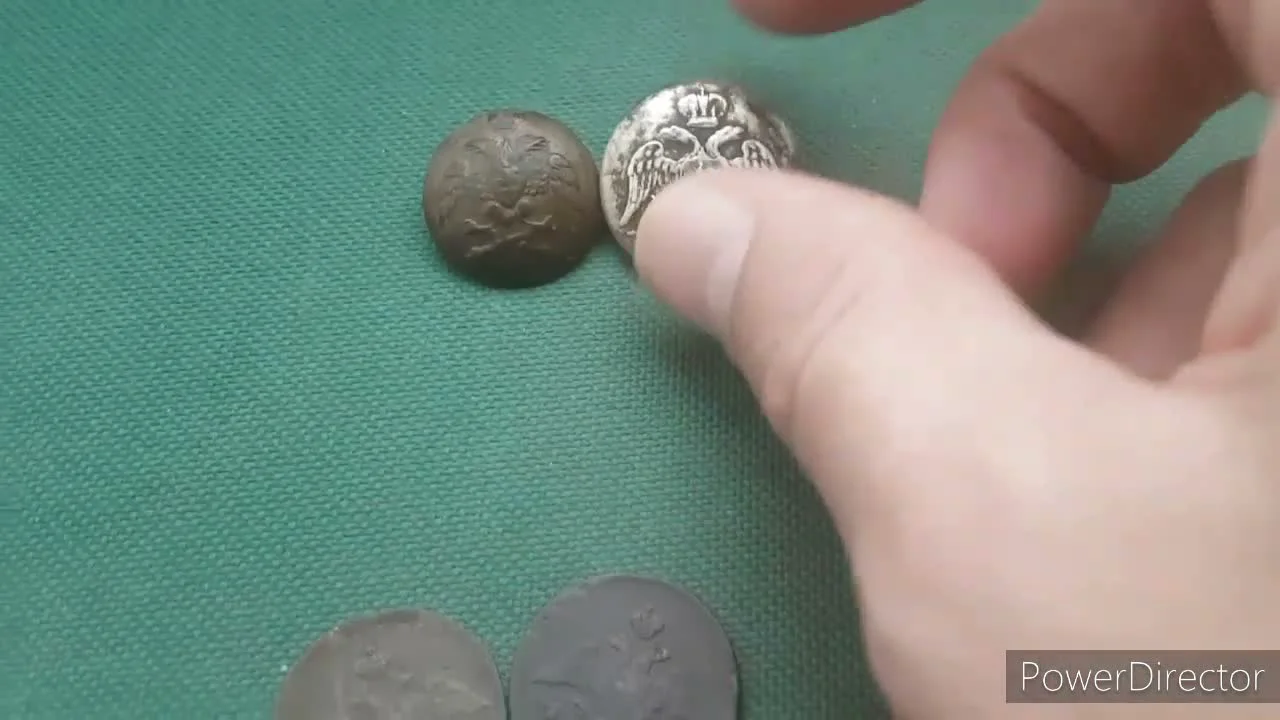
During the reign of Emperor Nicholas I (1825–1855), four different types of 1 kopek copper coins were issued. Coins of the so-called second type, minted from 1830 to 1839, are of particular interest to collectors. Their distinctive feature is the image of a double-headed eagle with its wings down.
This design received the unofficial name 'Masonic eagle' in numismatic circles. Coins of this type represent an important layer in the history of Russian numismatics, having many varieties depending on the mint, year of issue, and the mintmaster's initials.
Four Types of Kopeks from the Nicholas I Era
| Coin Type | Key Feature | Unofficial Name |
| Type 1 | Design inherited from Alexander I | "Cabbage" |
| Type 2 | Eagle with wings down | "Masonic eagle" |
| Type 3 | Inscription "КОПѢЙКА СЕРЕБРОМЪ" (Kopek in Silver) | Kopek in Silver |
| Type 4 | Monogram of Nicholas I (N I) under a crown | Monogram Kopek |
During the reign of Nicholas I, the appearance of the one-kopek coin changed several times. A total of four main types can be distinguished, each with its own unique characteristics.
The first type, inherited by Nicholas I from his predecessor, was minted in the early years of his reign. The second type, the subject of this review, was issued for a decade. Subsequent reforms led to the appearance of coins indicating their equivalent in silver, and then coins with the imperial monogram.
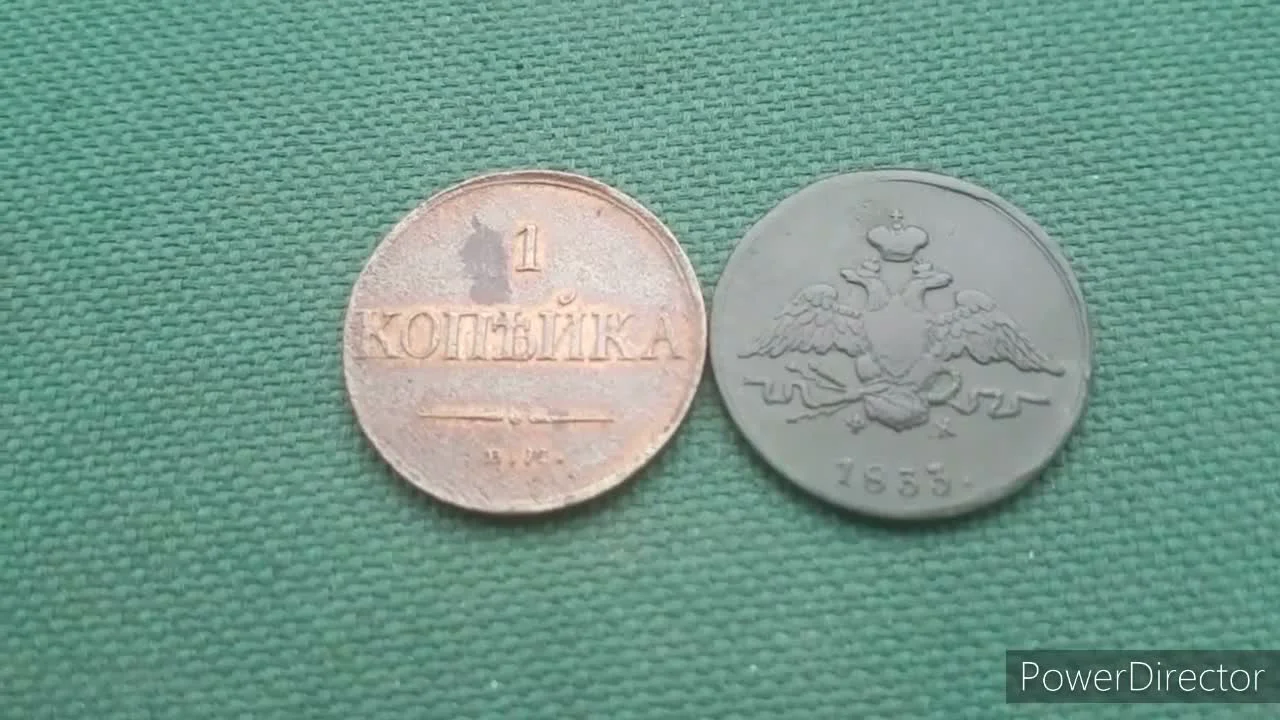
History of the Eagle with Wings Down
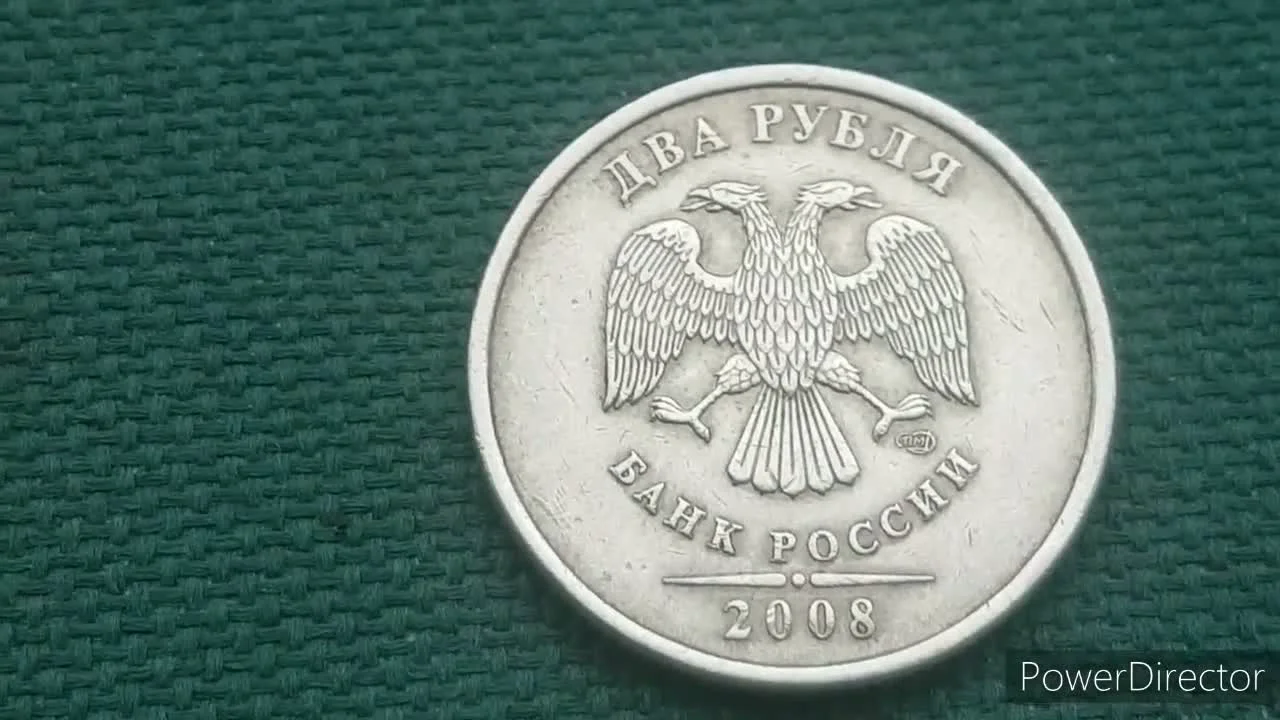
The image of an eagle with wings down has appeared on Russian currency four times. In addition to the coins of Nicholas I, this symbol can be found on modern coins of the Russian Federation, for example, on the reverse of the two-ruble coin from 2008.
This eagle was also used by the Provisional Government on its banknotes and was popular in the early 20th century. It was during that period that Nicholas's coins acquired the nickname 'Masonic.' However, during the time of Nicholas I himself, they were not called that.
Notably, this design appeared on different metals at different times:
- On gold coins: for the first time in 1817, under Alexander I.
- On silver coins: in 1826, the first year of Nicholas I's reign.
- On copper coins: in 1830.
Origin of the Symbol: Deeper into History
The association of the eagle with wings down with Freemasonry is a historical misconception. Such an eagle first appeared on Russian coins back in 1654, during the reign of Tsar Alexei Mikhailovich. This was long before the formal organization of the first Masonic lodges, which dates to 1717.
Moreover, a similar symbol—a double-headed eagle with wings down—is found on copper puls of the Volga Bulgaria, dating to approximately the 13th century. This indicates that this heraldic symbol has much more ancient roots and is not connected with the Masonic movement.
Mints and Novodels
| Mark | Mint | Note |
| E.M. | Yekaterinburg | Regular issue |
| S.M. | Suzun (Siberian coin) | Regular issue |
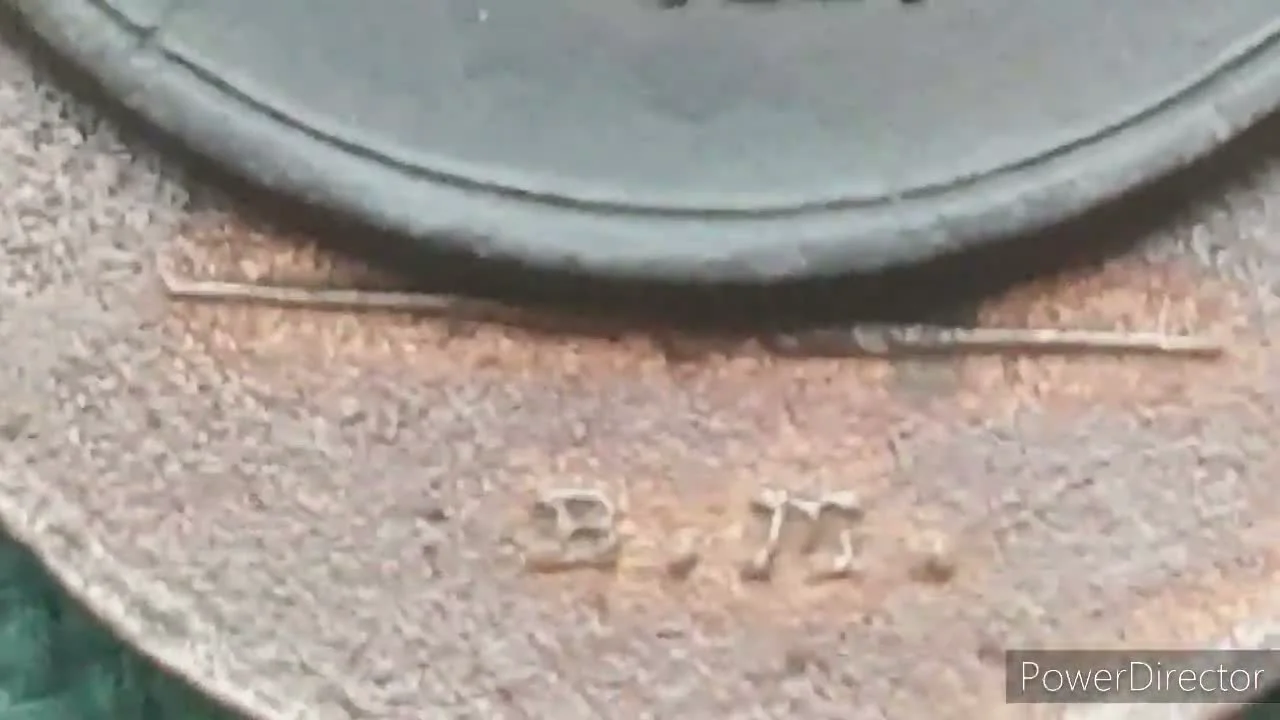
| V.M. | Saint Petersburg | Mark for novodels (stylized as E.M.) |
Kopeks with the 'Masonic eagle' were minted at three mints. The mark on the coin indicates its place of production.
A special category is novodels—coins struck with genuine dies at the mint at a later date, specifically for collectors. Their production was popular from 1861 to 1917 amid growing interest in numismatics. Novodels differ from regular issue coins by their higher quality, the use of a different copper alloy, and a perfectly shaped planchet.
Varieties and Value of 1830–1839 Coins
The value of a kopek with the 'Masonic eagle' varies greatly depending on the year, mint, and condition. Novodel specimens are generally valued highly, with their price being around 10,000 rubles.
Value of regular issue coins:
- E.M. (1831-1836), mintmaster's initials F.Kh. (Fyodor Khvoshchinsky): from 500 rubles.
- S.M. (Suzun mint): from 1,500 to 10,000 rubles depending on the year.
- E.M. (1837), initials N.A. (Nikolai Alekseev) or K.T. (Konstantin Tomson): from 700-1000 rubles.
The most expensive regular issue coin is the 1838 kopek from the Yekaterinburg mint, with a value starting from 15,000 rubles. The most expensive specimen in the series is the 1830 novodel (E.M.), with its price starting from 80,000 rubles.