
The Slabbing Trend: Fad or Investment?
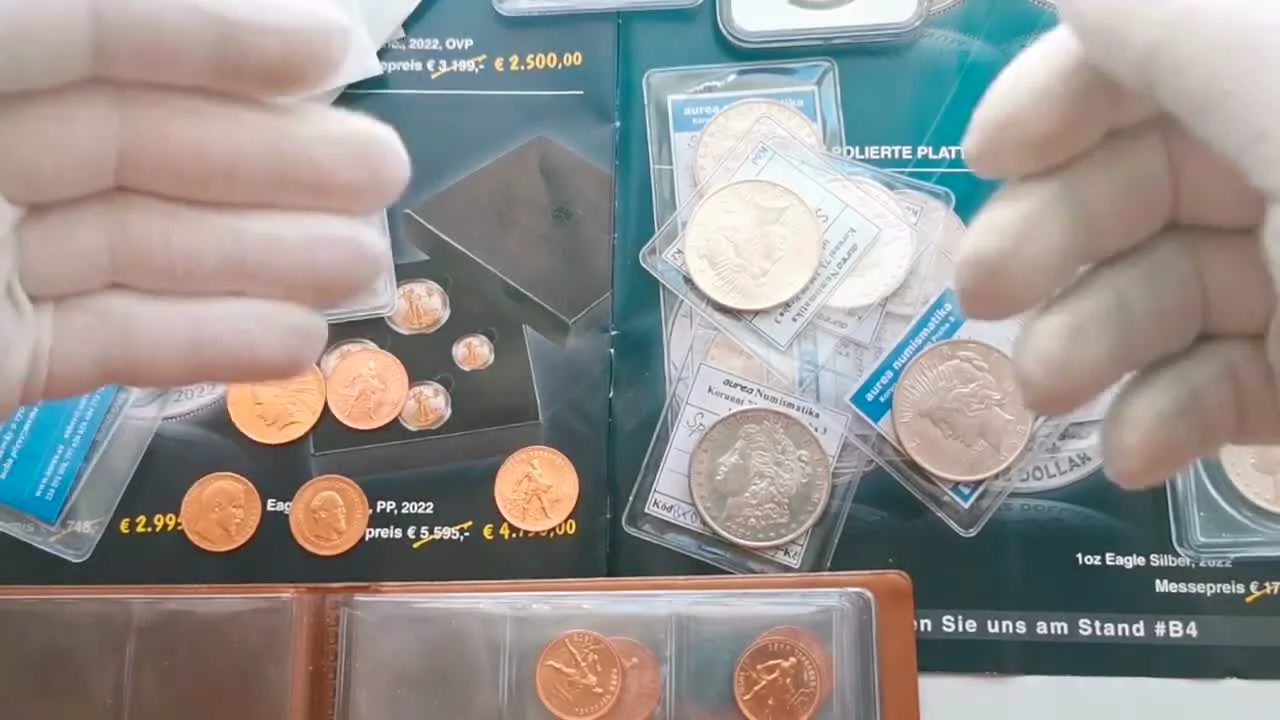
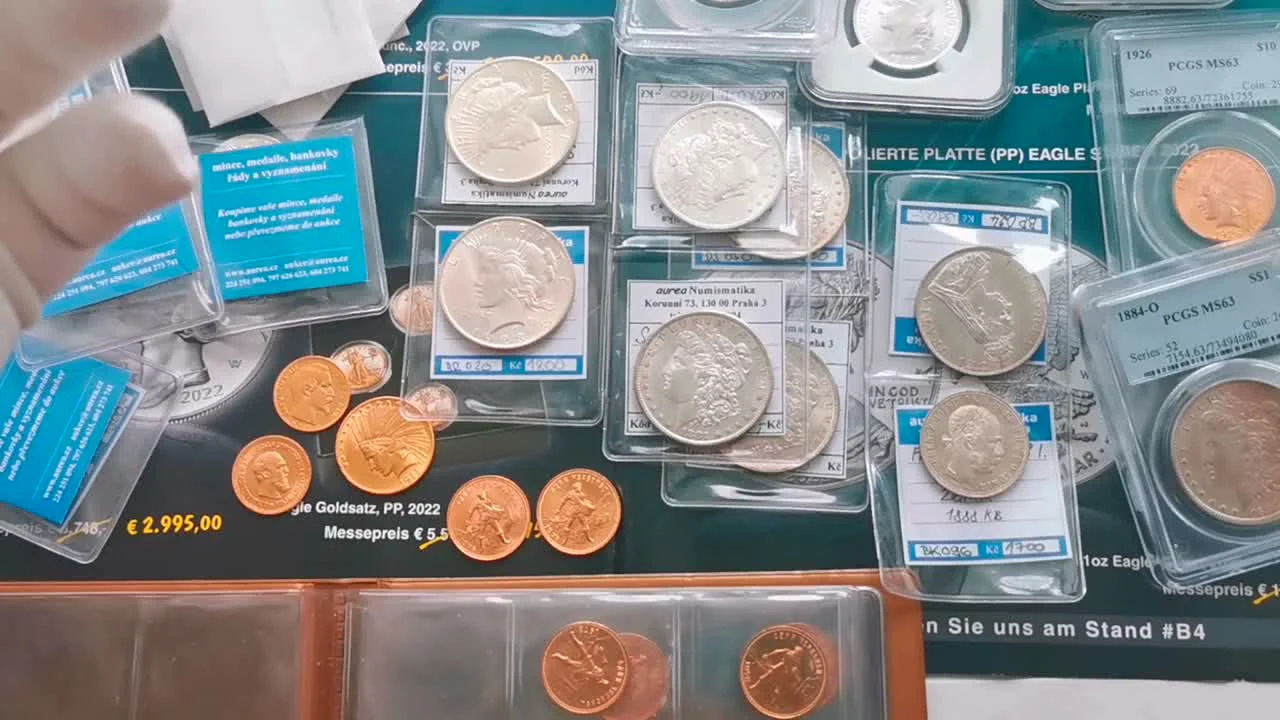
Recently, a clear trend has emerged among numismatics collectors and investors: buying coins with the intention of having them slabbed. Slabbing, which involves encapsulating a coin in a special protective holder (a slab) with a grade assessing its condition from a certification company, is seen as a way to increase the specimen's value.
However, this process has many nuances. Not every coin automatically increases in value after being slabbed. It's important to understand which specimens are truly worth sending for grading and for which this procedure makes neither numismatic nor financial sense. This approach is primarily aimed at investors who purchase coins for a profit.
Collector and Investor: Two Different Approaches
The approach to slabbing greatly depends on one's goals. For a collector who gathers coins "for the soul," slabbing may not be as important as it is for an investor. An investor, on the other hand, views each coin as an asset whose value can be increased.
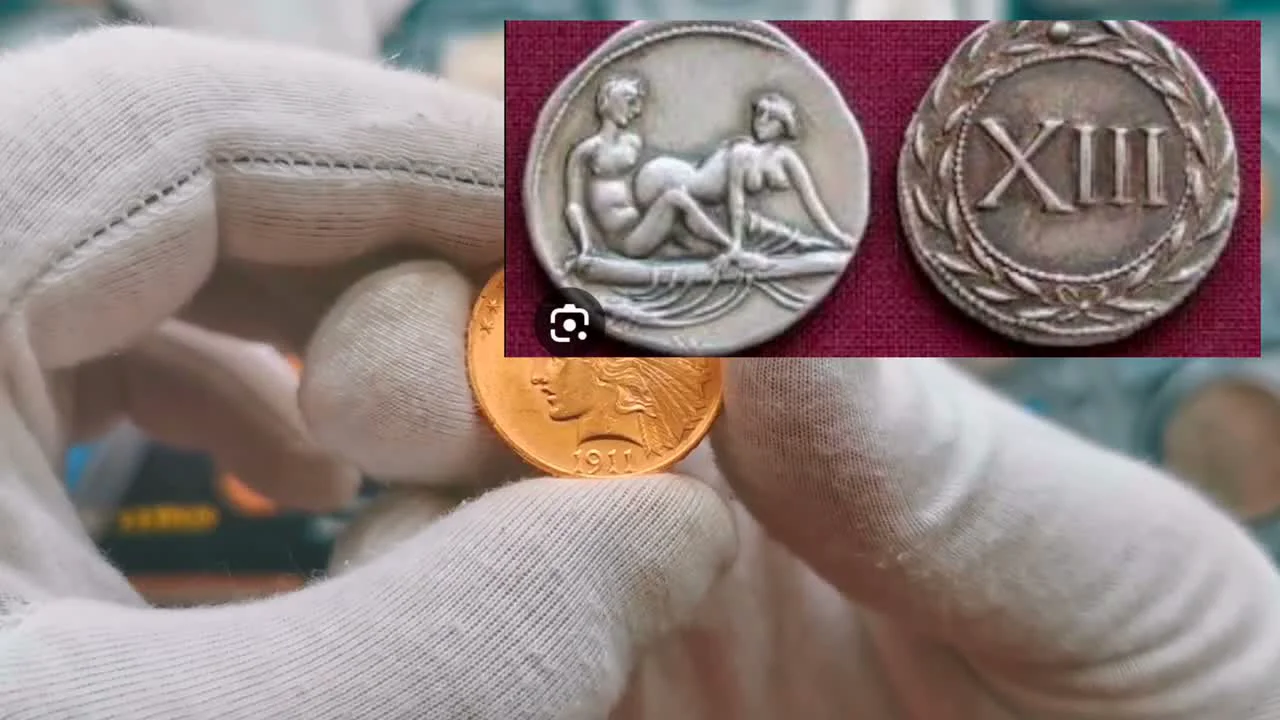
A good example is the 1911 $10 "Indian Head" gold coin. In excellent condition without a slab, it might be worth around 1200 euros. However, after slabbing and receiving a high grade, such as MS63, its value can jump to 1800-2000 euros. In this case, the financial benefit of the procedure is obvious.
Thus, before deciding to slab a coin, you must clearly define your goal: is it to enhance a personal collection for aesthetic pleasure, or is it a financial investment with an expectation of future profit? This will determine which coins to choose and whether it's worth spending money on grading them.
Category 1: Coins That Are Profitable to Slab
Slabbing makes the most financial sense for rare coins in exceptionally good condition. For such specimens, each additional grade point can multiply the value, covering the certification costs many times over.
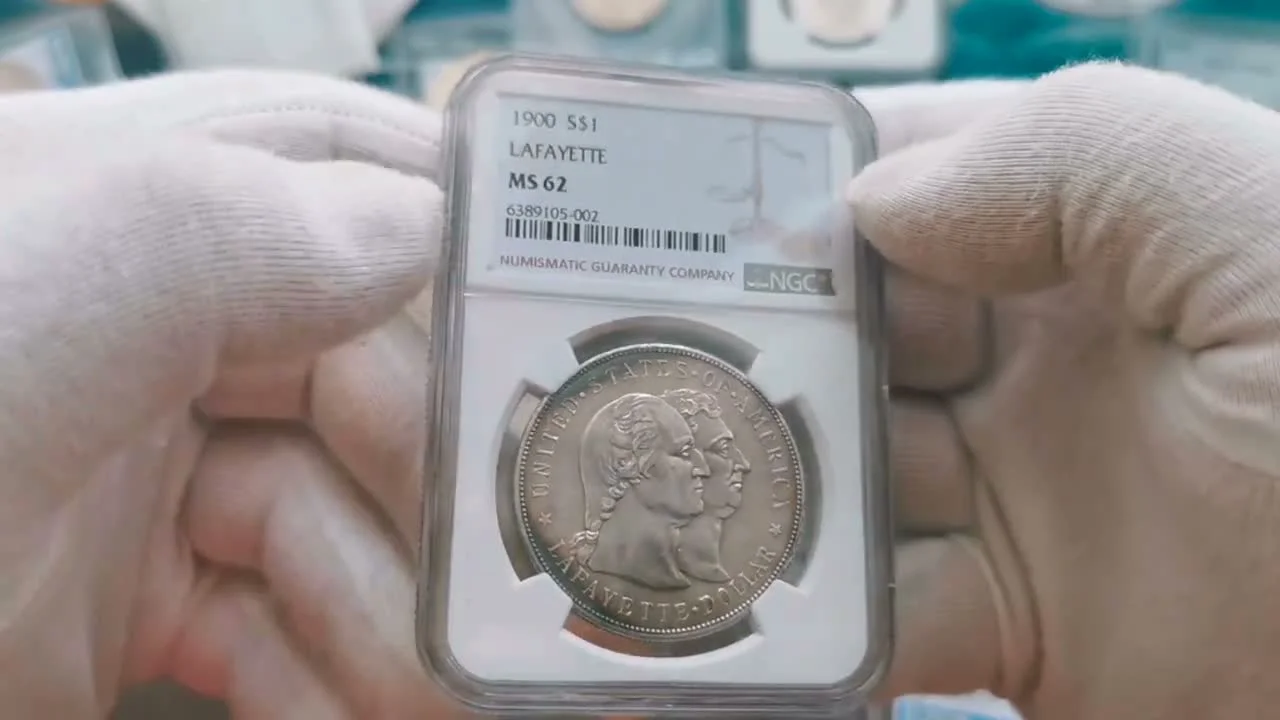
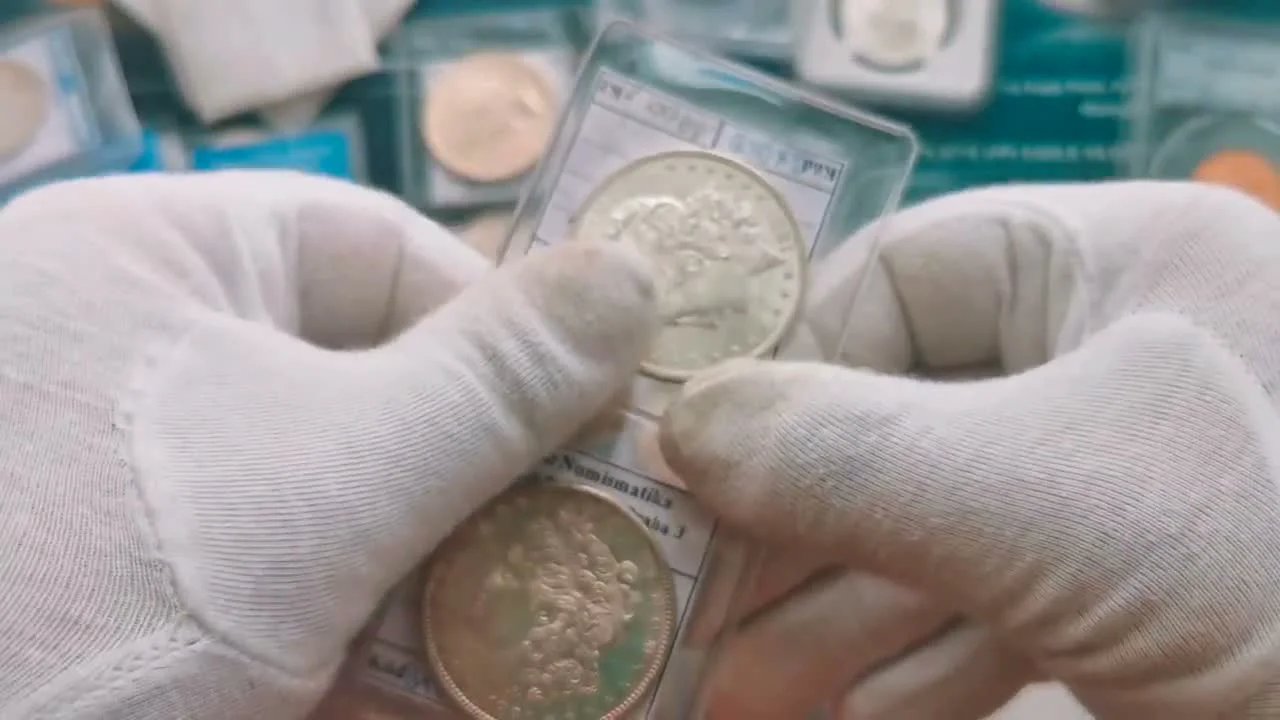
A prime example is the Lafayette dollar. This is a fairly rare coin, and its price is highly dependent on its state of preservation. An unslabbed specimen in good condition might cost $800-$1000. After grading, the situation changes dramatically:
- In MS 62 grade, the price increases to $1200-$1300.
- In MS 63 grade, the value already reaches $1800.
It is on such coins, where there is a large price gap between grades, that an investment strategy is built. The profit from selling such a coin with a high grade significantly exceeds the initial investment and slabbing costs.
Category 2: When Slabbing Doesn't Make Sense
There is a large group of coins for which slabbing is not financially viable. These include common, mass-produced coins, even if they are in good condition. Examples include Morgan dollars or Austrian florins.
Let's take the Morgan dollar as an example. If you buy a coin for $100-$110 and spend about $50 on slabbing, receiving an average grade of MS62 or MS63 might result in a final sale price that barely covers the costs. A profit is only possible if you receive very high grades (MS65 and above), which is unlikely for most specimens.
Sometimes it is more profitable to buy a coin that is already slabbed. For example, an Austrian florin in MS62 grade can be bought for 70 euros, whereas buying a raw coin (40-50 euros) and then slabbing it (about 50 euros) would cost almost 100 euros. In this case, slabbing it yourself leads to a loss.
Category 3: The 'Buy Now, Slab Later' Strategy
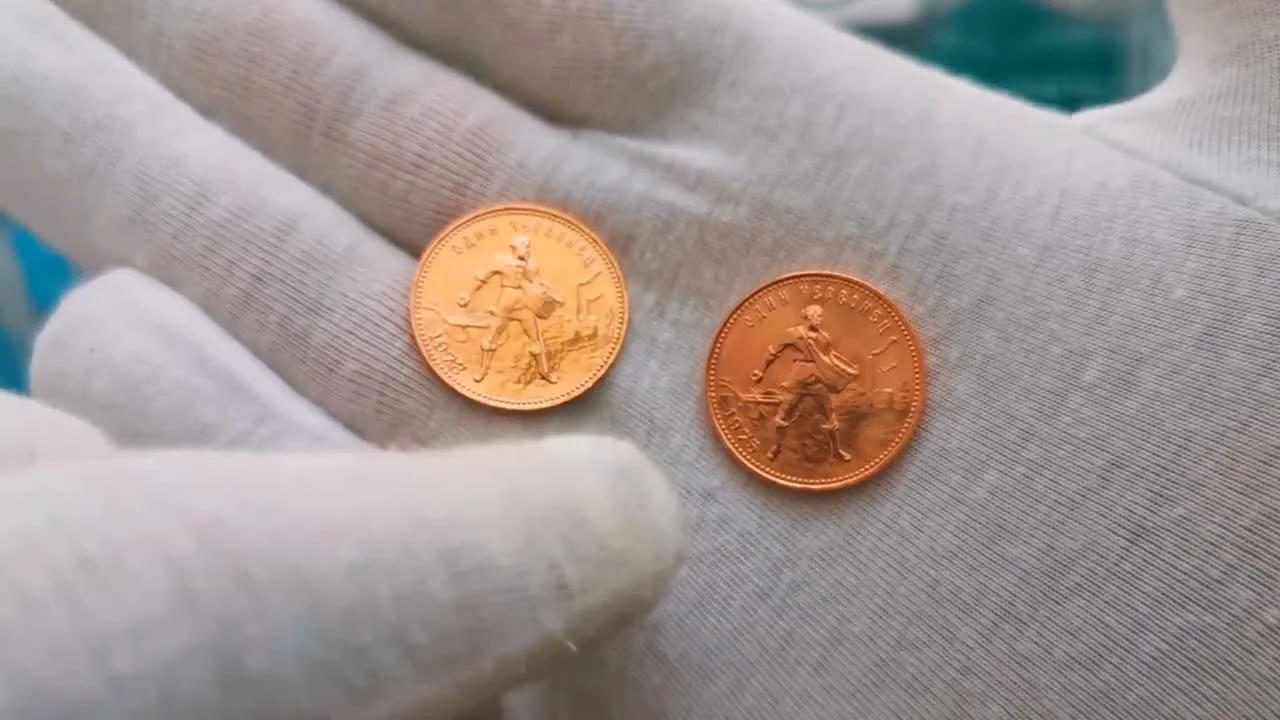
The third category consists of coins with future investment potential, so-called 'sleepers.' These are specimens that are still quite common in high quality today, but over time their numbers will decrease, and the price for the best ones will rise. An excellent example of such a coin is the Soviet gold chervonets 'The Sower'.
The strategy is as follows: acquire several (for example, a dozen) of these coins in an unslabbed state while their price is relatively low ($620-$650). Then, after carefully examining them, select the 3-4 best specimens for future slabbing and sell the rest to recoup the initial costs. In a few years, when the market experiences a shortage of coins in top grades, a slabbed specimen graded MS66 or MS67 could be sold for a much higher price, for instance, $1000 or more.
- Gold 5 Rubles of Alexander III.
- American $10 'Indian Head' coins.
The key factor here is to buy quality material now to maximize profits in the future when the demand for high-grade specimens increases.
The Importance of Deep Market Knowledge
Rational numismatics is impossible without understanding market processes. Simply buying a coin and sending it for slabbing blindly is a path to financial loss. A successful investor must constantly analyze the market and be well-informed.
To make informed decisions, you need to know:
- Current prices for unslabbed ('raw') coins.
- The value of coins in different grades (e.g., the difference between MS62 and MS64).
- Slabbing costs, including logistics and insurance.
- Price dynamics and trends on various trading platforms (eBay, Allegro, Violity) and at auctions (e.g., Künker).
Understanding these factors allows you to determine which coin is a promising investment and which will only bring disappointment. The market is constantly changing, and what was profitable yesterday may be a losing proposition today.
Three Approaches to Slabbing: A Final Strategy
| Category | Description | Examples |
| Slab Now | Rare coins in exceptional condition where each grade point significantly increases the price. | Lafayette dollar, rare years or varieties of other coins. |
| Don't Slab (or Buy Slabbed) | Common, mass-produced coins where slabbing costs are not recouped with an average grade. | Common Morgan dollars, Austrian florins, Portuguese 50 centavos. |
| Buy Now, Slab Later | Promising coins that are available in good quality today but will become rare in high grades over time. | Soviet 'Sower' chervonets, Tsarist gold coins. |
Thus, from an investment perspective, all numismatic material can be divided into three main groups. Each requires its own approach to achieve maximum financial return.
Successful numismatics is a balance between the aesthetic pleasure of collecting and sober financial calculation. Often, to improve one's collection and acquire a more valuable specimen, it is necessary to sell duplicates or less interesting coins. It is this rational approach that allows one not only to enjoy the hobby but also to turn it into a profitable investment.