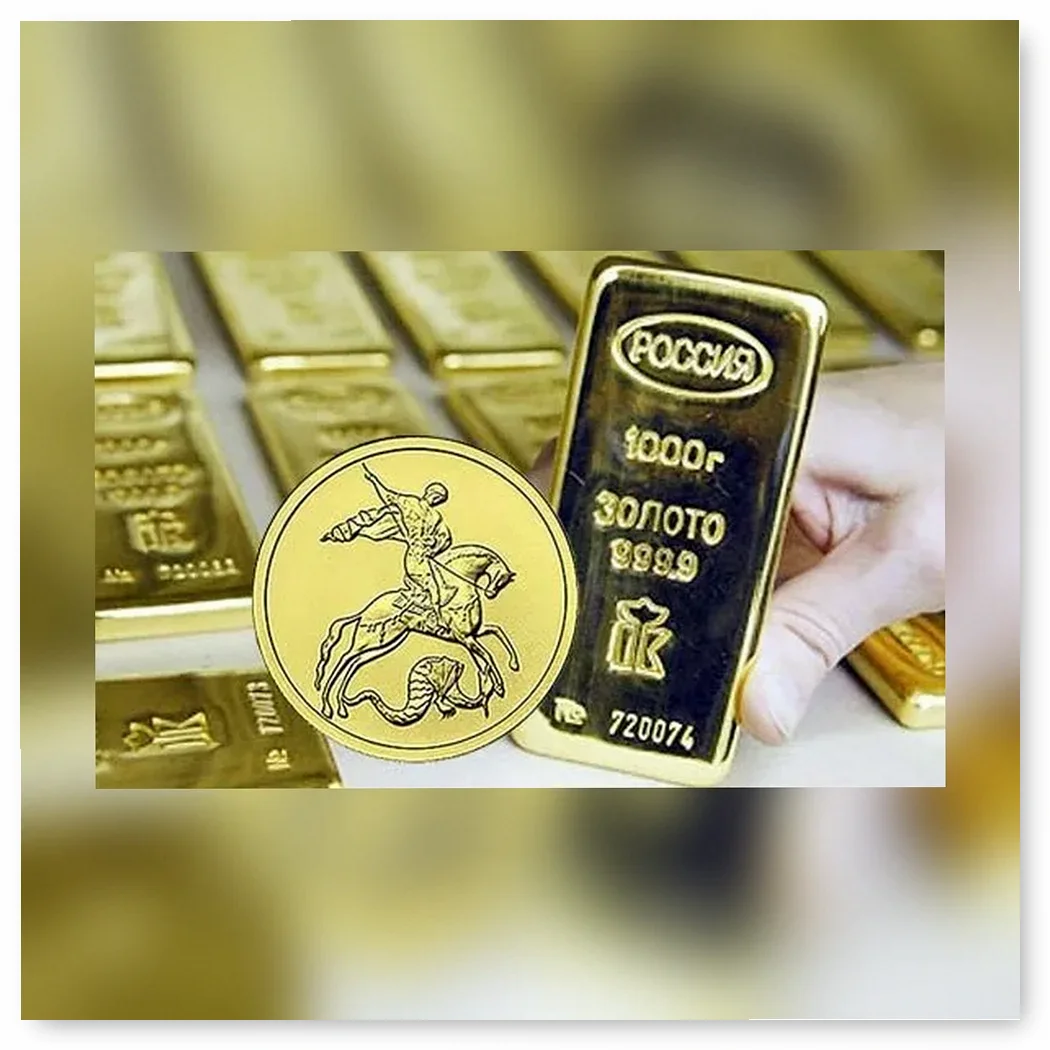

Gold and silver prices represent more than just the constantly fluctuating current value of these precious metals. While underlying spot prices do drive the market, another important factor influences the final amount when buying or selling coins, rounds, and bars — price premiums.
What Are Gold and Silver Price Premiums?
A premium is a type of markup or surcharge added to the base, or so-called spot prices, of precious metals. It's important to consider several key nuances here, as premiums are not a fixed amount.
The size of gold and silver price premiums can vary significantly. It depends on whether the buyer is acquiring the metal at retail or wholesale, the specific type of gold or silver product chosen, and the current level of market demand.
Unlike spot prices, which are typically tied to rigid industry-wide indicators and fluctuate throughout the day like stock quotes, premiums are more volatile. This dynamism affects transactions in both the wholesale and retail precious metals markets.
Why Do Gold and Silver Premiums Exist?
Imagine a world where every precious metals dealer charged only the spot price, without any premiums. In such a scenario, the cost of goods would be absolutely identical for all sellers, but that's not how economics works.
Dealers need to cover their overheads, pay employee wages, and insure their operations. Furthermore, like any business, they have the right to profit from their work. This is precisely why premiums exist.
When choosing a seller, buyers don't always focus solely on the lowest price. This can be compared to choosing between two gas stations located across the road from each other, each offering gasoline at its own price.
At a station with lower prices, the quality of gasoline might be questionable, the pumps work unreliably, and you can't buy decent coffee there. Meanwhile, a more expensive gas station might belong to a trusted, well-known company, offering good coffee and a tasty breakfast. What will you choose?
Are you willing to sacrifice quality, service, and convenience for a small saving on gasoline? Some consumers truly only look for low prices, and they get what they pay for — possibly diluted gasoline and a cup of stale coffee to boot.
In a free capitalist market, competition thrives precisely because of premiums, be it for gasoline, everyday goods, or precious metals. Buyers should perceive premiums not as an annoying hindrance, but as a necessary element that helps determine how much they are willing to pay for authentic and high-quality precious metal.
Unfortunately, many focus solely on spot prices and spend excessive time trying to find offers with the lowest premium. Sometimes this leads to success, but more often such attempts result in failed deals or the acquisition of low-quality, and sometimes counterfeit, goods that are then impossible to return to the market.
Which Gold and Silver Items Have the Highest Premiums?
Typically, the highest premiums are associated with numismatic items. These include, for example, American 90% silver coins minted before 1965, as well as gold coins struck before 1933.
In recent years, there has been a significant rise in numismatic interest in 'American Eagle' coins issued by the United States Mint. This surge has led to increased premiums even on investment-grade coins within this program.
Bars or rounds typically have lower premiums compared to coins of the same weight. However, even among these items, markups can vary significantly.
For example, huge premiums relative to the spot price can be demanded for old or rare silver bars, such as those once produced by Engelhard. A similar situation is observed with ornate silver rounds, which are released as part of annual programs commemorating various events, or featuring recognizable characters from comics or cartoons.
Nevertheless, premiums on standard silver bars and rounds are generally lower than premiums on silver coins of the same weight. A similar rule applies to gold bars compared to gold coins.
| Product Type | Premium Level (compared to spot price) | Features / Examples |
| Numismatic Items | Highest | American 90% silver coins (pre-1965), gold coins (pre-1933), American Silver Eagle (due to increased numismatic interest) |
| Old/Rare Bars | Can be huge | Engelhard silver bars |
| Decorated Rounds | Can be high | Annual event releases, character images (comics, cartoons) |
| Common Silver Bars and Rounds | Lower than silver coins of the same weight | Standard investment products |
| Common Gold Bars | Lower than gold coins of the same weight | Standard investment products |
Tips for Buying Precious Metals and Understanding Premiums
- **Contact several dealers.** Get an idea of the premiums they offer on the items you're interested in. Premiums will vary, as will the level of service.
- **Define your expectations.** Ask yourself what you expect from price, selection, and quality. Considering these factors, what is the overall value of each dealer's offer?
- **Be realistic about the market.** Take into account current market premiums and prices. Before the COVID-19 pandemic, a retail buyer in the U.S. could purchase an American Silver Eagle coin with a premium of $4 or $5. After the pandemic, due to high demand and reduced supply, the premium for the same coin jumped to $8-$10 and higher, regardless of the seller.
- **Live in the present.** The precious metals market changes rapidly. Premiums may have been lower once, but it's important to focus on the current market situation.
- **Research premiums for specific items.** Find out what premiums are being asked for items you plan to add to your collection or investment portfolio. Then choose the options that are right for you.
Someone might offer items with very high or, conversely, very low premiums. Often, you can find many competitively priced offers somewhere in the middle.
The choice often depends on who offers a certain type of service or quality assurance, speed of service, or availability of specific items. Sometimes brand loyalty, recommendations from a trusted source, or the rapport you've built with a precious metals dealer play a decisive role.
No matter where you decide to acquire gold and silver, ensure you are satisfied with the quality of the item, as well as the seller's experience and competence. Find out if the company has a return policy or at least any guarantees. Be sure to check customer reviews. Choose wisely to be confident in your purchase, both now and when it's time to sell.
